DKW
24 entries
German car and motorcycle marque of the 1920s and 1930s, a founding member of Auto Union and an ancestor of Audi.
- Founded
- 1916, by Jørgen Skafte Rasmussen
- First car
- The Typ P, 1928
- Part of
- Auto Union, from 1932
- Ended
- Last German-built DKW car, the F102, in 1966
The Danish engineer Jørgen Skafte Rasmussen founded a factory in Zschopau in 1916 to produce steam fittings, and the DKW name came from his attempted steam car. By the late 1920s DKW was the world's largest motorcycle manufacturer, and its first car, the Typ P, appeared in 1928.
In 1932 DKW merged with Audi, Horch and Wanderer to form Auto Union. After the war the company moved to West Germany, and the last German-built DKW car, the F102, ceased production in 1966; its successor was sold as an Audi.
- 1916Factory founded in Zschopau
- 1928First DKW car, the Typ P
- 1932Auto Union formed with Audi, Horch and Wanderer
- 1964Auto Union purchased by the Volkswagen Group
- 1966Last German-built DKW car
-
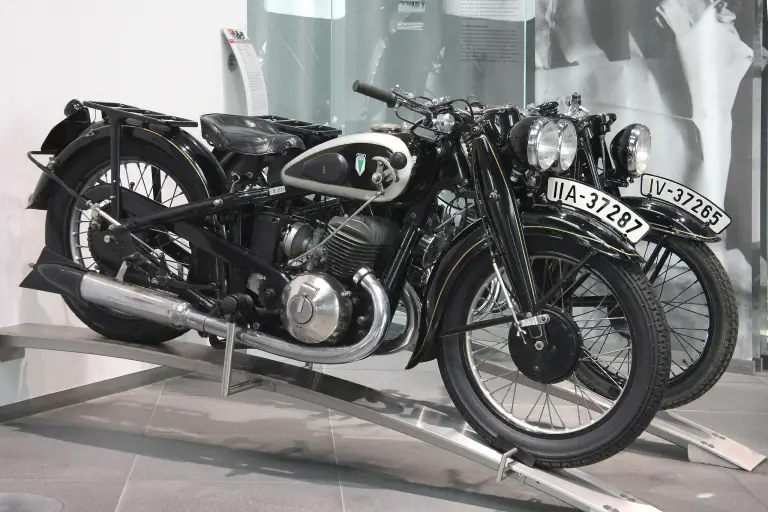 DKW DKW SB: the pressed-steel DKW that sold by the thousand
-
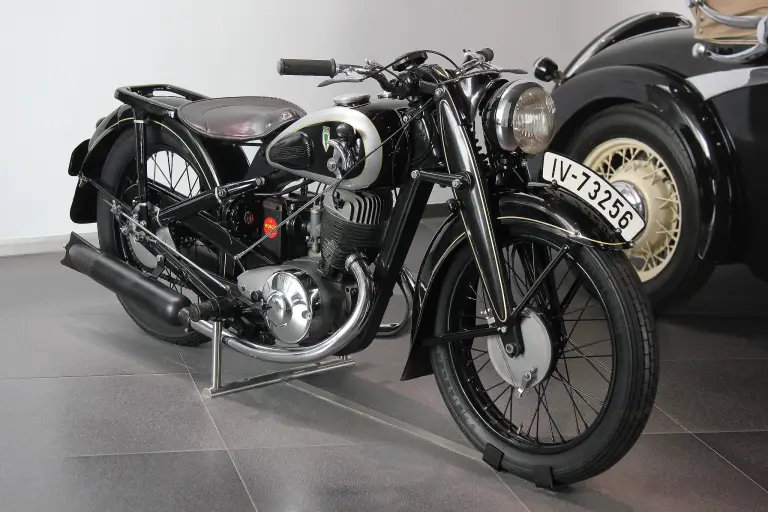 DKW DKW NZ: the last Zschopau DKW before the war
-
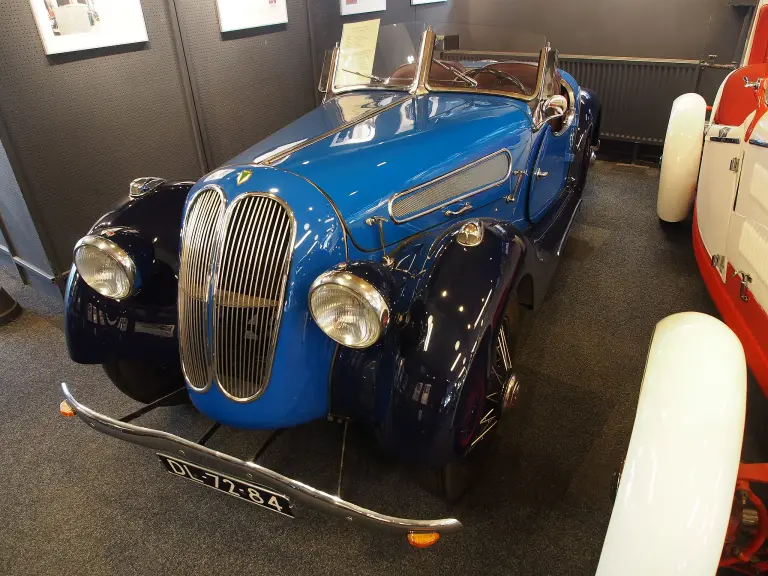 DKW Ihle of Bruchsal: the sports bodies that turned DKWs into roadsters
-
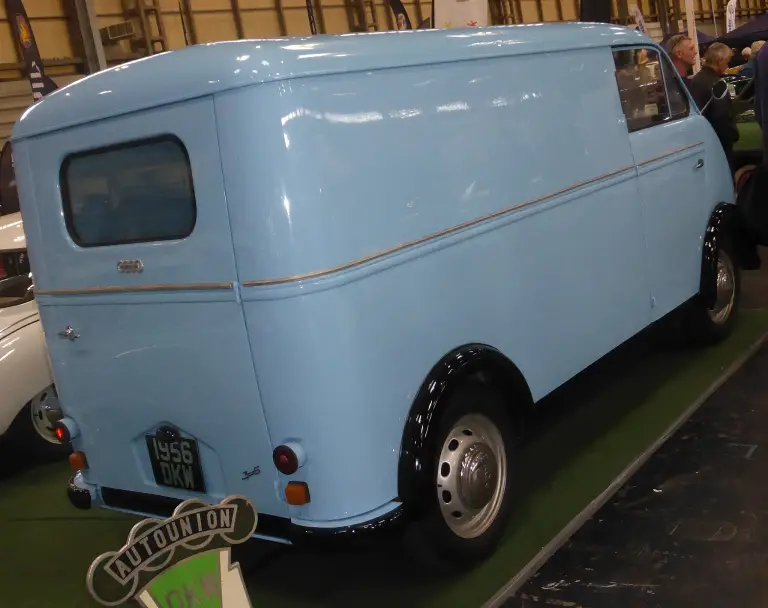 DKW DKW Schnellaster: the van that came before the minivan
-
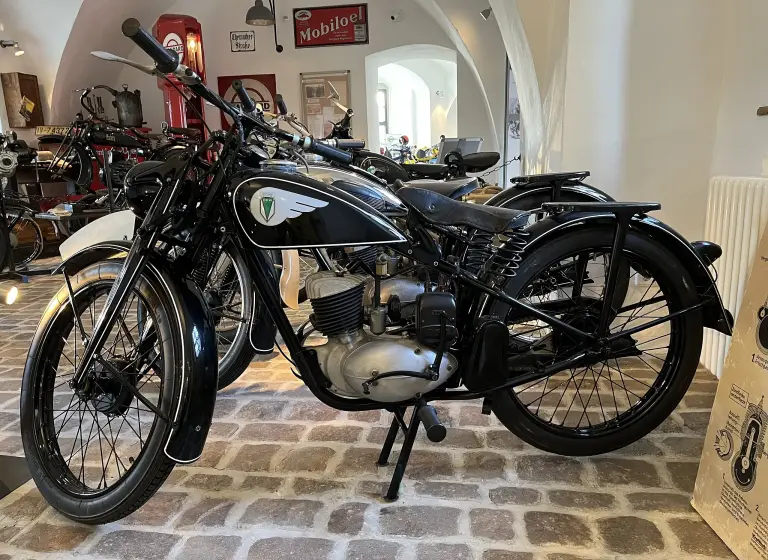 DKW DKW RT 125: the motorcycle that half the world copied
-
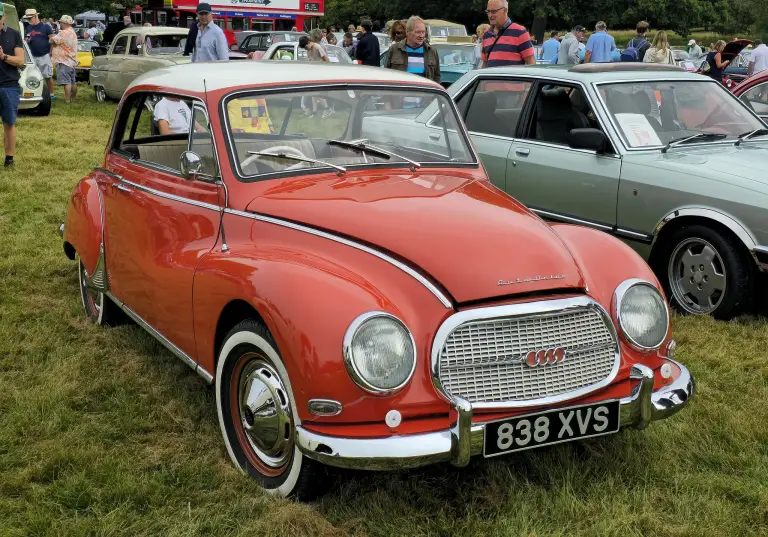 DKW Auto Union 1000: the last big two-stroke from DKW
-
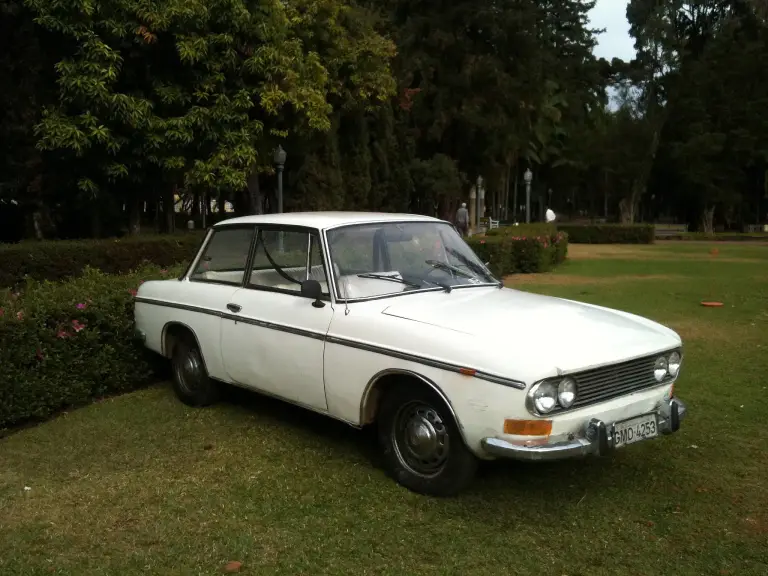 DKW DKW-Vemag Fissore: Italian clothes on a Brazilian DKW
-
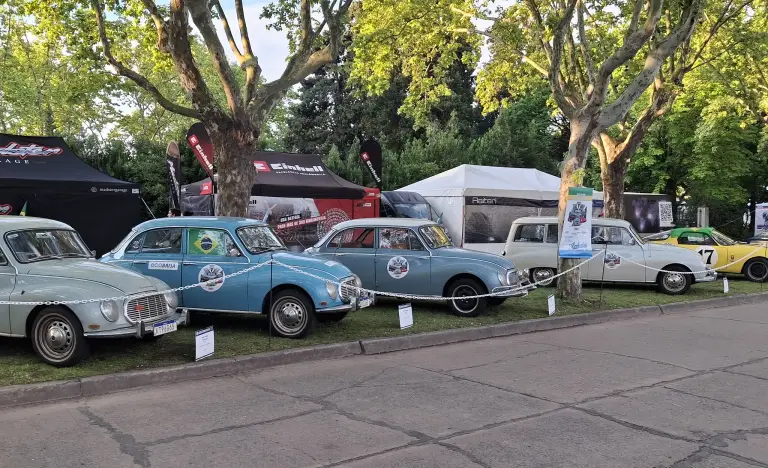 DKW DKW-Vemag: the Brazilian factory that kept DKW alive
-
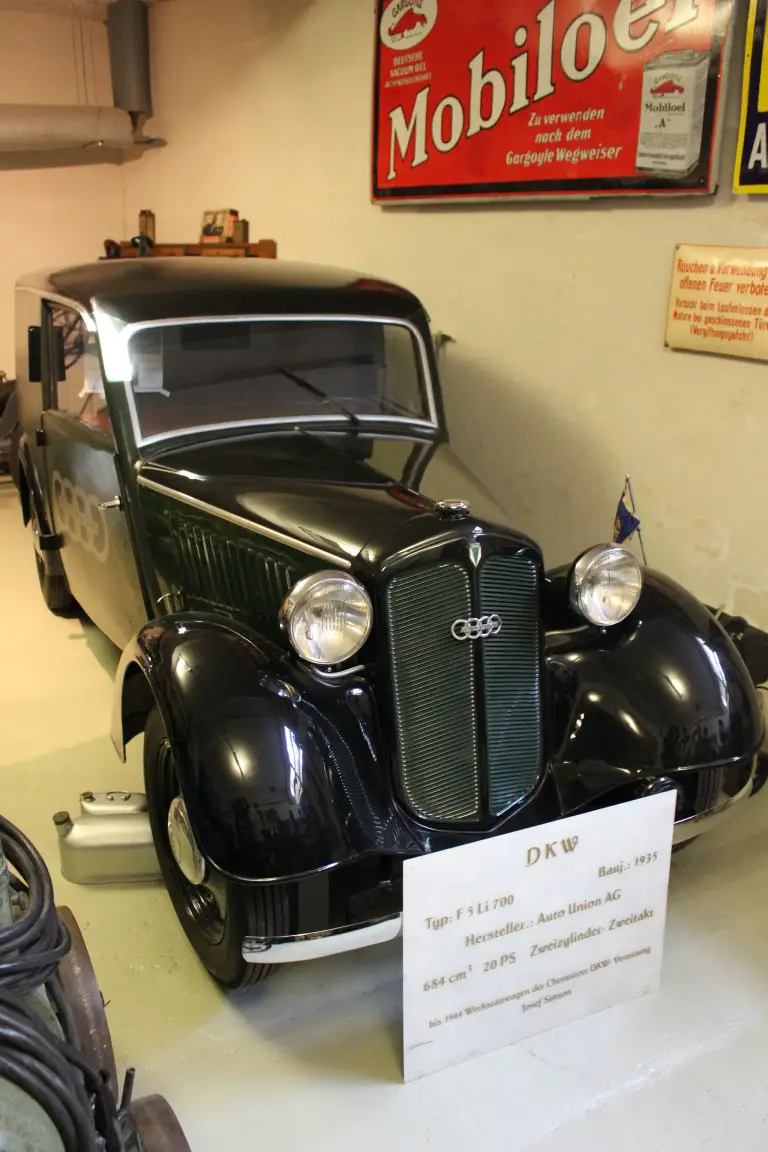 DKW DKW F5: steel underneath, fabric on top
-
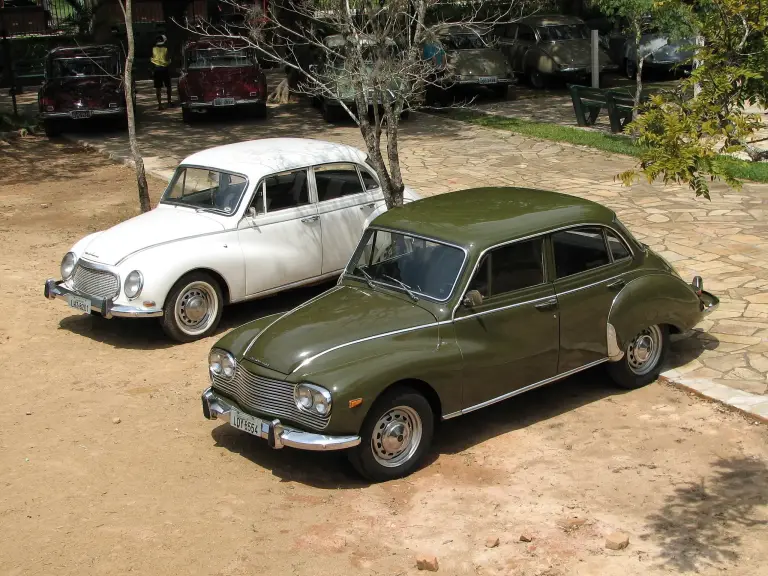 DKW DKW-Vemag Belcar: the Brazilian DKW saloon
-
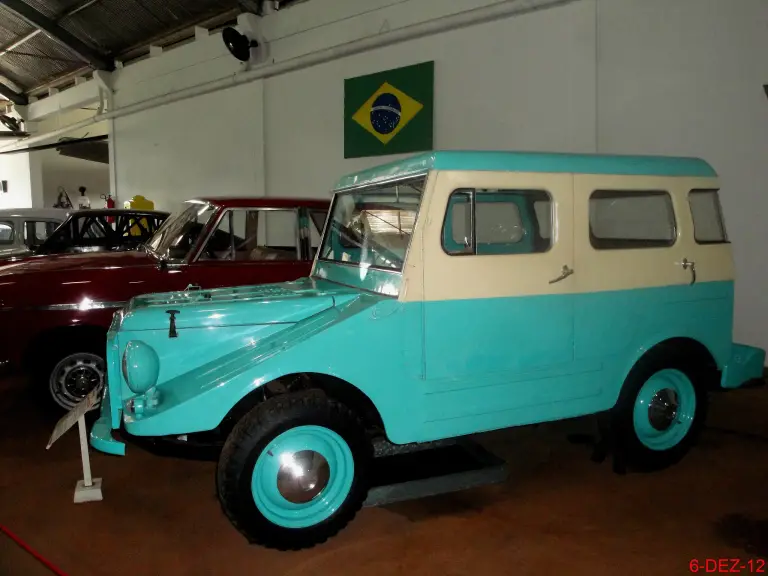 DKW DKW-Vemag Candango: the Brazilian Munga
-
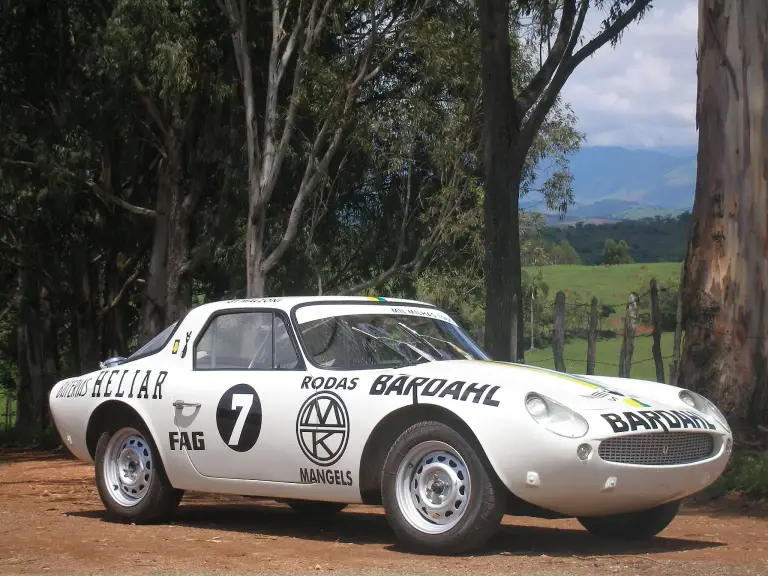 DKW DKW-Vemag GT Malzoni: the Brazilian DKW that became the Puma
-
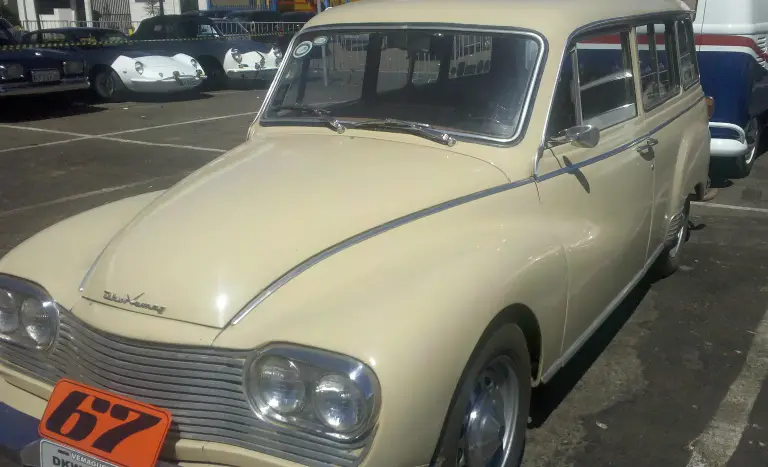 DKW DKW-Vemag Vemaguet: the Brazilian DKW estate
-
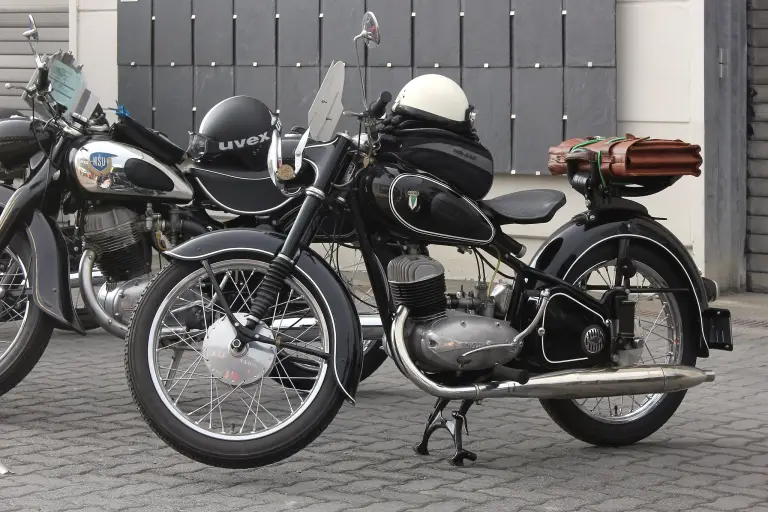 DKW DKW RT 175: every second 175 in Germany
-
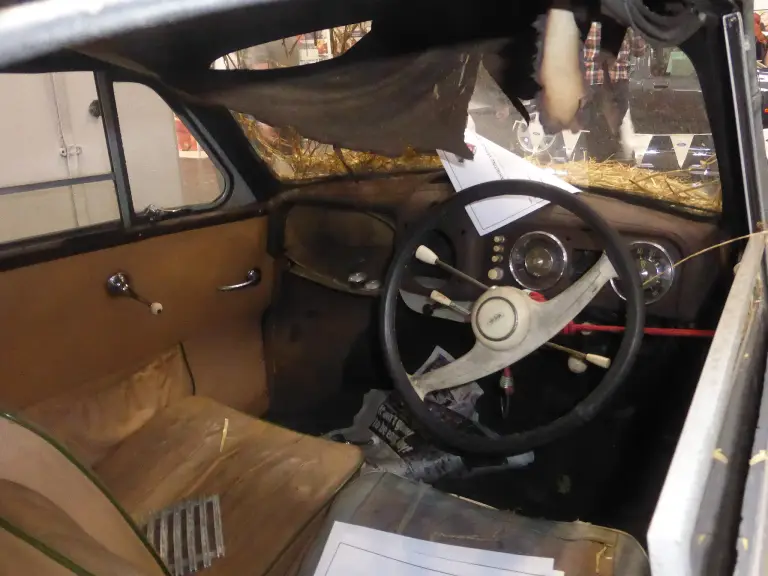 DKW DKW 3=6: the Sonderklasse with three cylinders
-
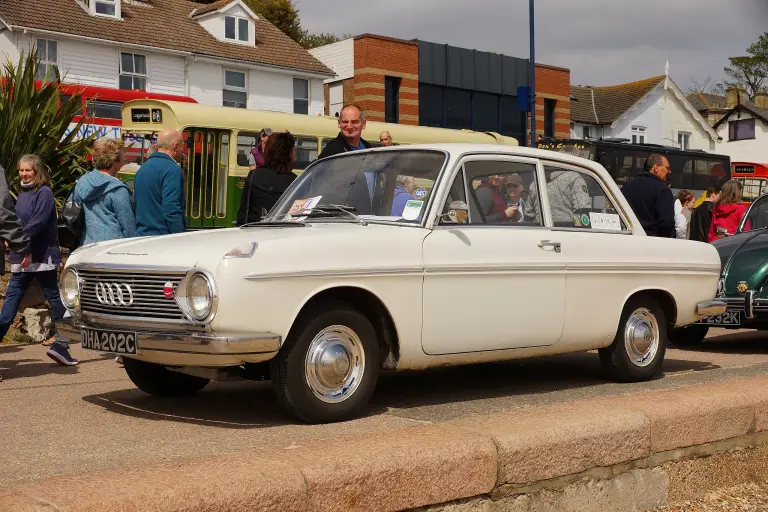 DKW DKW F102: the last car to wear the DKW badge
-
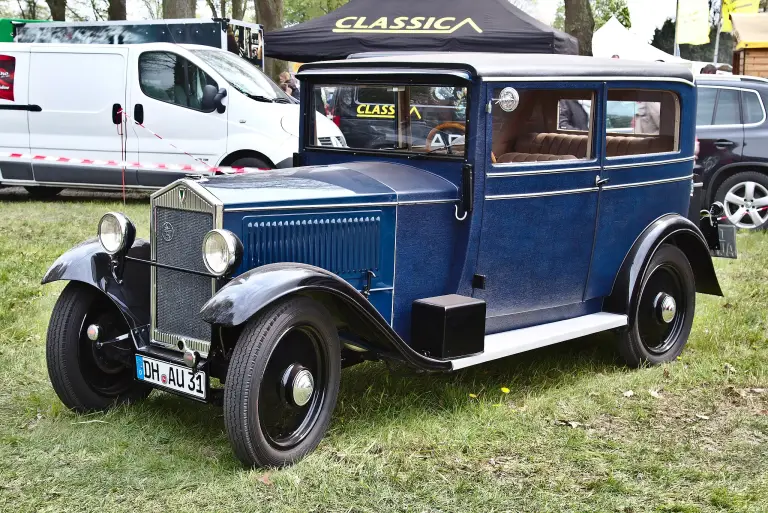 DKW DKW Typ 4=8: the rear-wheel-drive DKW
-
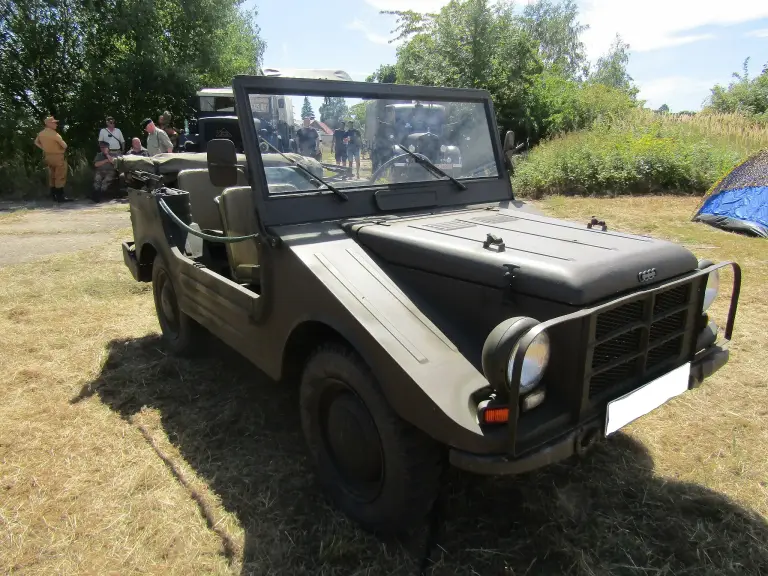 DKW DKW Munga: the two-stroke jeep
-
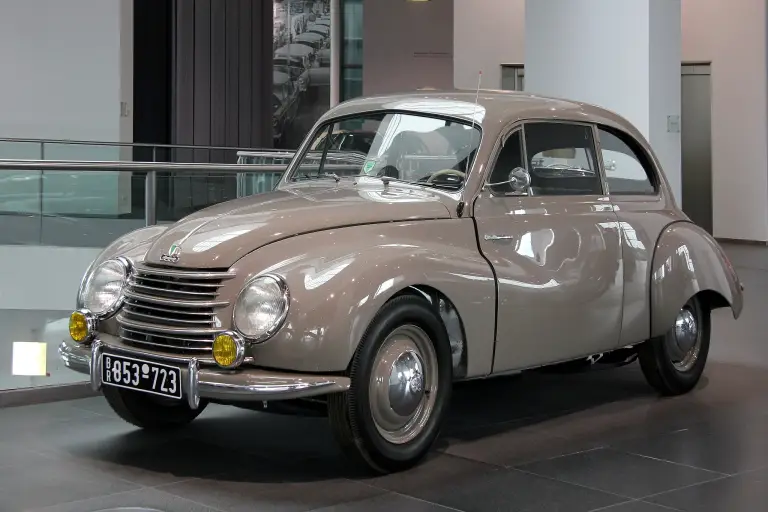 DKW DKW F89 Meisterklasse: the first car of the new Auto Union
-
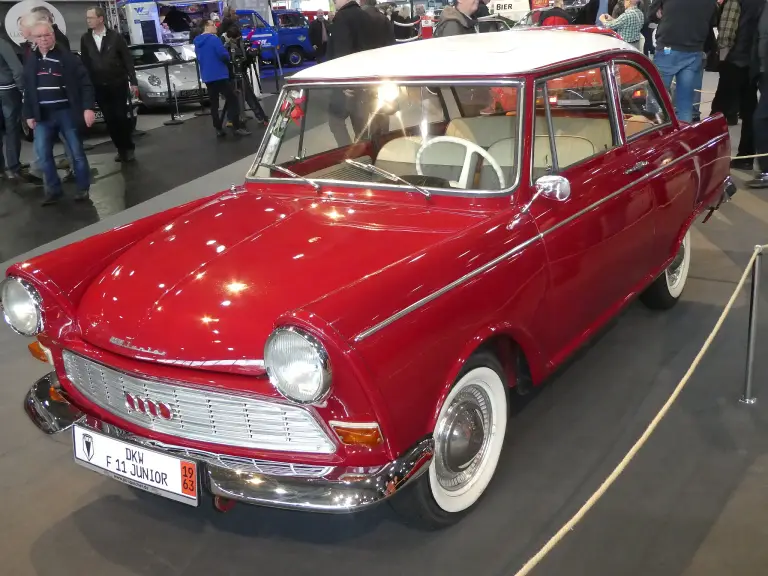 DKW DKW F11 and F12: the Junior grows into a bigger car