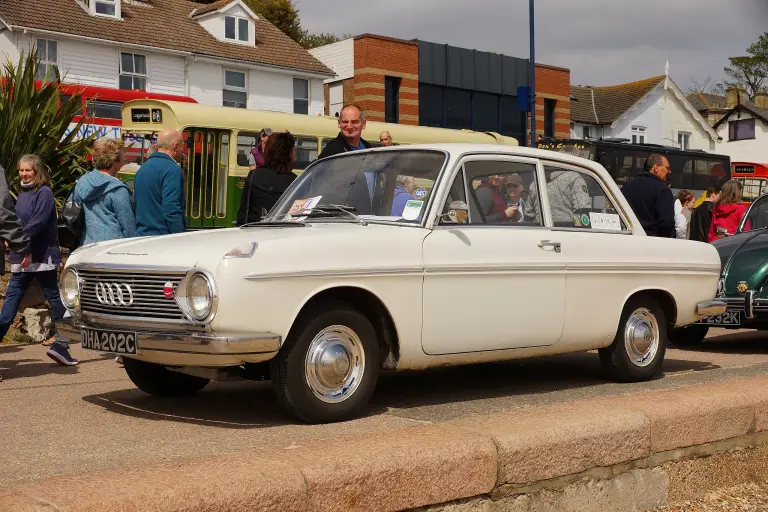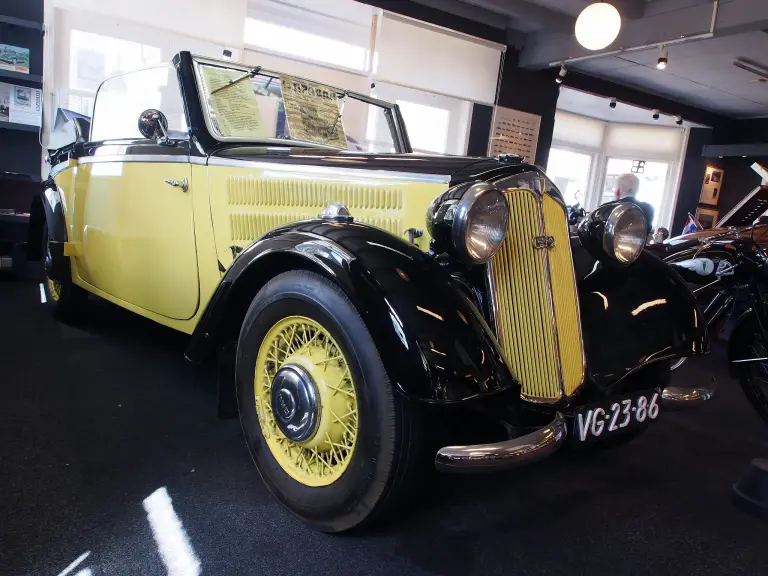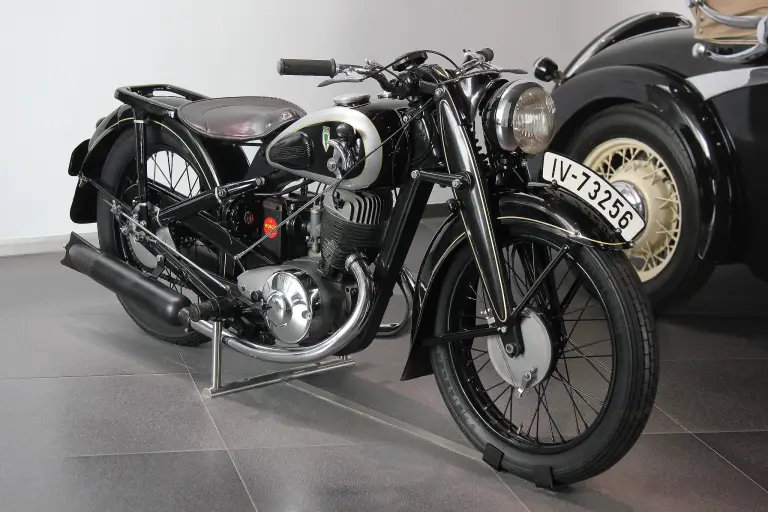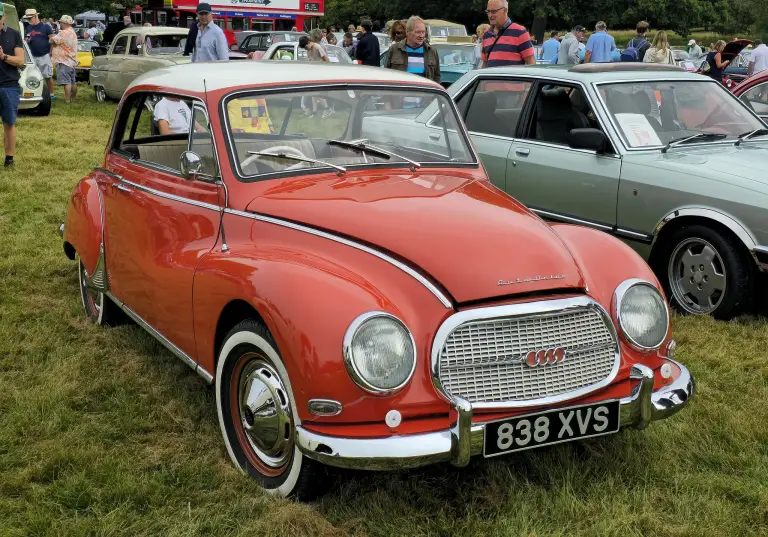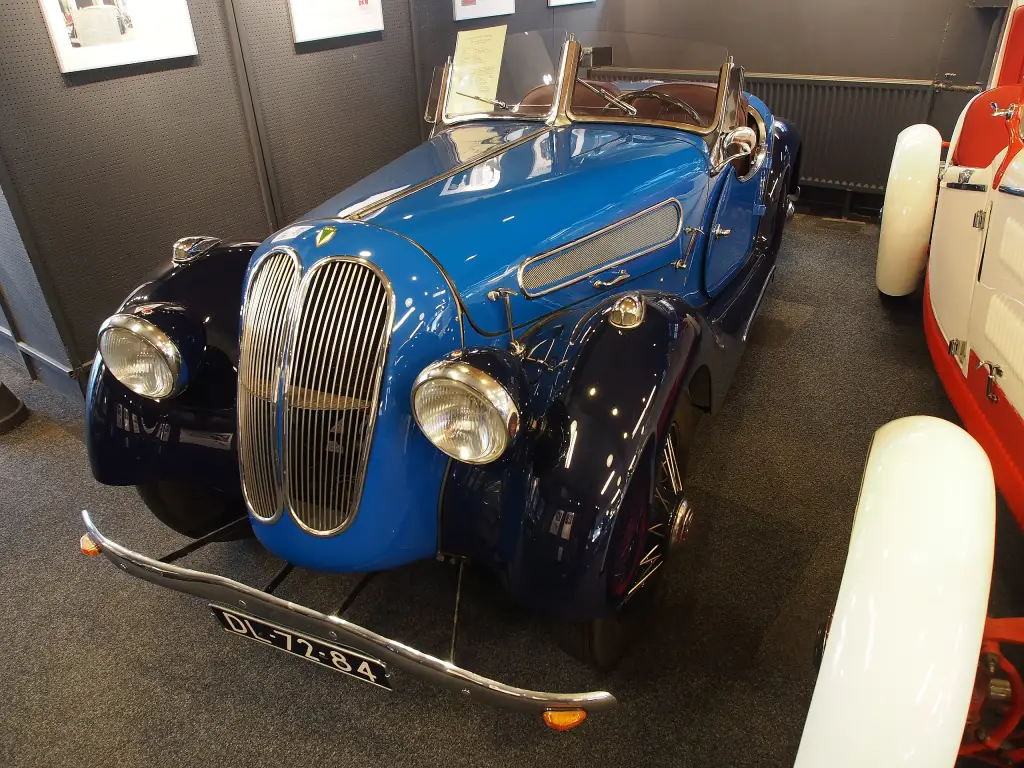
Gebrüder Ihle was a small coachbuilder in Bruchsal that made its name putting sports bodies on cheap small cars. The brothers Rudolf and Fritz Ihle set up in 1930 and soon offered new steel bodies for the DKW F1, F2, F4 and F5, based on their roadster design for the Dixi and BMW 3/15. Customers could buy a kit, bring the car to Bruchsal, or let Ihle find and rebuild a used one.
Ihle at a glance
| Company | Gebrüder Ihle, Bruchsal |
|---|---|
| Founded | 1930, by Rudolf and Fritz Ihle |
| Trade | custom and small-series car bodies |
| Bases used | Dixi 3/15, BMW 3/15, DKW F1, F2, F4 and F5, Ford Eifel |
| DKW bodies | Ihle Sport, all-steel, based on the 800 body |
| How sold | as a kit, fitted at Bruchsal, or on a rebuilt used car |
| Work included | body, instruments, sometimes chassis lengthening and engine tuning |
| After the war | bumper cars and carousels |
| Later | the firm no longer exists |
based on German Wikipedia only
History of the Ihle
Two brothers in Bruchsal
Rudolf and Fritz Ihle were motor vehicle masters who set up on their own in Bruchsal in 1930. They soon decided to offer special bodies on the basis of popular small cars, at first the Dixi and BMW, then also DKW, Fiat, Ford and Steyr. A customer could buy a kit and fit it himself, bring his car to Bruchsal to be rebuilt, or leave it to the brothers, who bought used cars, overhauled them mechanically and gave them new clothes. The Ihle bodies were styled after well-known racing and sports cars and amounted to an upgrade for older models, some of which had come onto the market at the beginning of the 1920s. Many had bodies partly made of wood that weathered quickly while the engine and chassis were still usable.
What the conversion involved
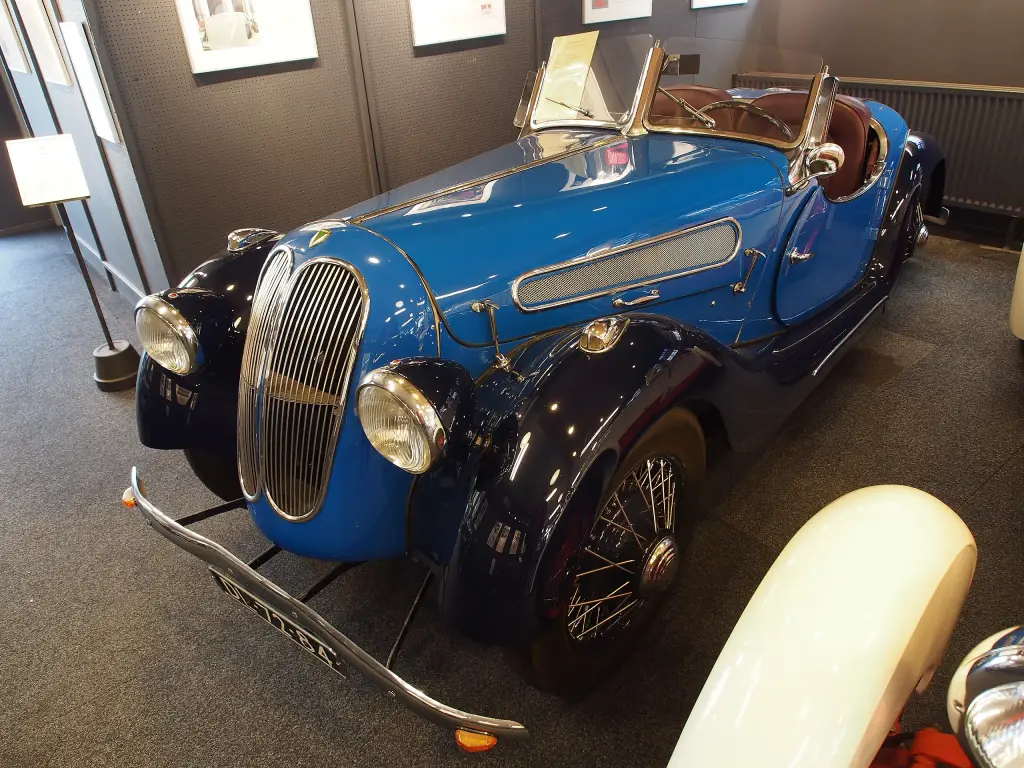
The work often went beyond the body: new instruments, and for some models a lengthened chassis, were part of it, and engine output could be raised as well. Ihle offered conversions for the Dixi 3/15, the BMW 3/15, the DKW front-wheel-drive cars F1, F2, F4 and F5, and the Ford Eifel. Two roadster types were built on the Dixi and BMW: the Ihle Sport Typ 600 of 1934–1939, with free-standing front wheels under separate mudguards and a slim boat tail borrowing from the BMW Wartburg and the Bugatti Type 35, and the Ihle Sport Typ 800 of 1936–1939, with a large boot and a spare wheel on the lid and styling from the BMW 315/1 and later the 328. The bodies were all-steel and were fitted at Ihle, though they could also be bought as kits, and the engines could be tuned a little on request.
The DKW Ihle Sport
The DKW conversions used an all-steel body based on the Dixi 3/15 and BMW 3/15 Ihle Sport 800 shell. Because DKWs were cheap and plentiful and their timber-and-fabric bodies aged badly, they were ideal material for the conversion, and the result was a small, light roadster with the DKW two-stroke and front-wheel drive underneath. A persistent rumour at BMW gatherings had it that Ihle invented the BMW kidney grille; the truth is that Ihle roadster production only began around 1932, with a rectangular grille at first and a kidney shape from about 1933 in clear reference to the BMW 303 and 315/1. The first BMW with the grille that became the marque’s signature was the BMW 303 of 1933.
After the cars
Ihle later made bodies for larger cars, such as Opel, but with little success, and rivals had appeared offering special bodies for production models in the same way. From the beginning of the 1940s the firm also built vehicles for showmen, and during the war it is said to have made precision weapons and fire-fighting pumps with DKW engines. After the war it produced only fairground equipment, bumper cars and carousels, and competition there became so strong that Gebrüder Ihle Bruchsal no longer exists.
Design and features
- Sports bodies for small cars: Ihle turned cheap saloons into roadsters with a modern look.
- DKW F1, F2, F4 and F5: all four pre-war front-wheel-drive models could be re-bodied.
- Three ways to buy: a kit, a conversion at Bruchsal, or a rebuilt used car from Ihle.
- All-steel shells: a durable answer to the rotting timber bodies of older small cars.
- BMW link: the same roadster design was built on Dixi and BMW 3/15 chassis.
Ihle versions
- Ihle Sport Typ 600 (1934–1939): boat-tail roadster for Dixi and BMW 3/15.
- Ihle Sport Typ 800 (1936–1939): larger boot and integrated mudguards on request.
- DKW F1 and F2 Ihle Sport: the earliest DKW conversions.
- DKW F4 and F5 Ihle Sport: the same all-steel body on the later cars.
- Ford Eifel and other bases: the range also covered non-DKW small cars.
The bodies went onto the DKW F2 and DKW F5. More cars are in the DKW collection.
Sources
- Gebrüder Ihle Bruchsal, German Wikipedia: company history, bodies, DKW conversions