IKARUS
24 entries
Hungarian bus maker from Budapest and Székesfehérvár that once supplied much of the Eastern Bloc.
- Founded
- 1895, Budapest
- Founder
- Imre Uhry
- Headquarters
- Budapest and Székesfehérvár, Hungary
- First name
- Imre Uhry's Blacksmith Workshop and Coach Factory
Ikarus traces its origin to Imre Uhry's blacksmith workshop, opened in Budapest in 1895 to repair carts and horseshoes. The firm moved into building coachwork on chassis from Ford, Mercedes-Benz, FIAT and others.
In 1933 the founder's children set up a new company, which delivered its first metal-bodied buses to Budapest's transport operator in 1936. In 1948 the company was nationalised.
- 1895Imre Uhry opens his workshop in Budapest
- 1933The Uhry children found a new company
- 1936First metal-bodied buses for Budapest
- 1948The company is nationalised
-
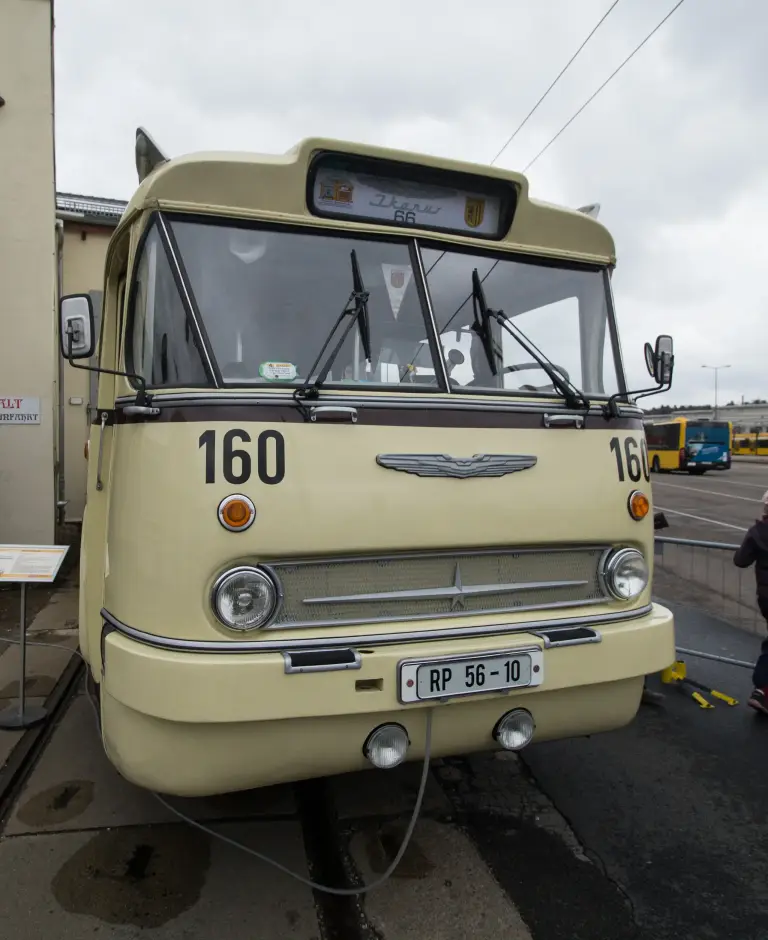 IKARUS Ikarus 66: the ‘Faros’ that filled the Volán routes
-
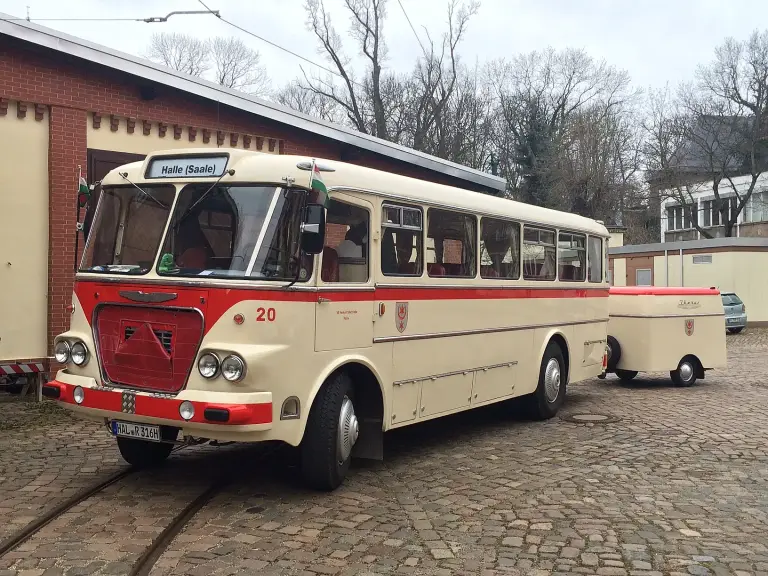 IKARUS Ikarus 630: the long-distance version of the 620
-
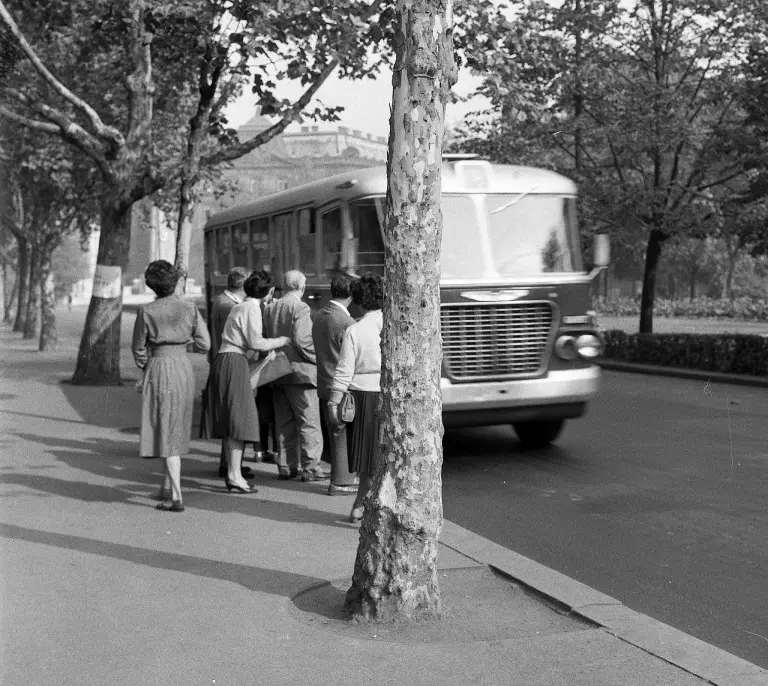 IKARUS Ikarus 620: the city bus with three rows of seats
-
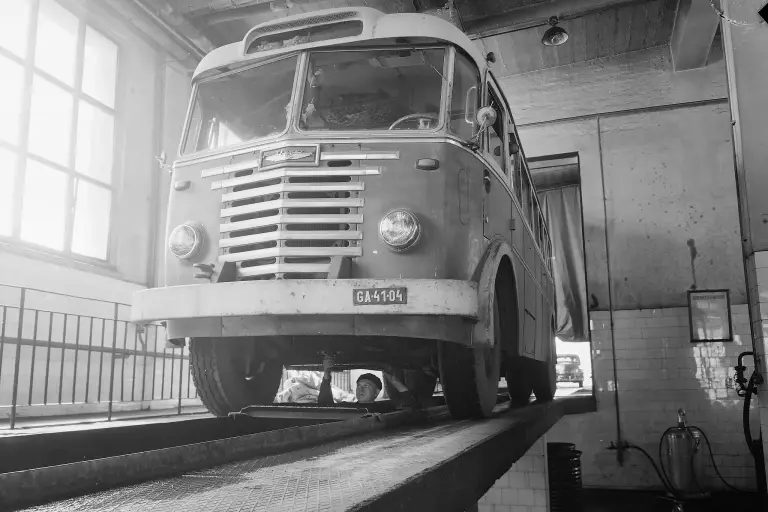 IKARUS Ikarus 60: the workhorse of Budapest for 25 years
-
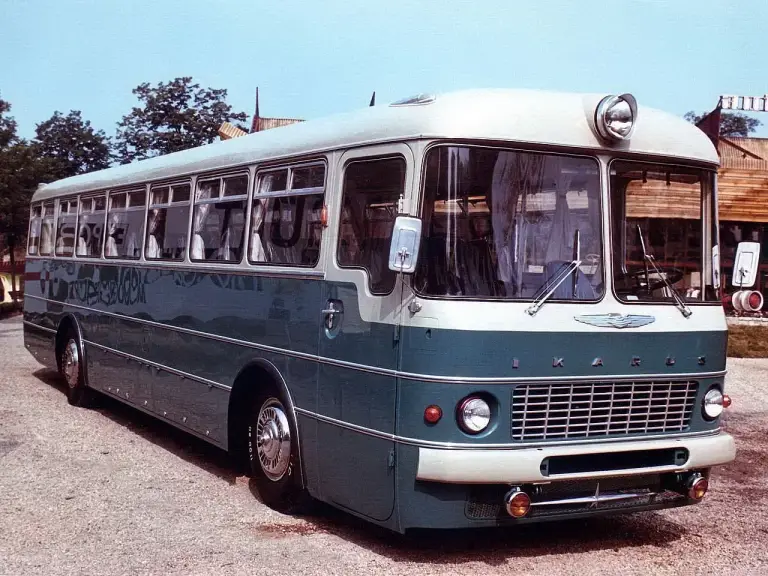 IKARUS Ikarus 557: the intercity bus that failed
-
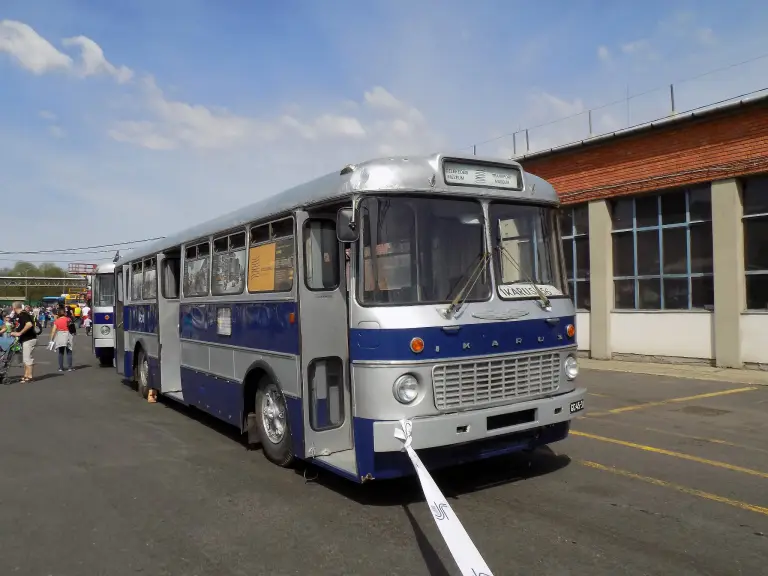 IKARUS Ikarus 556: the first self-supporting city bus from Ikarus
-
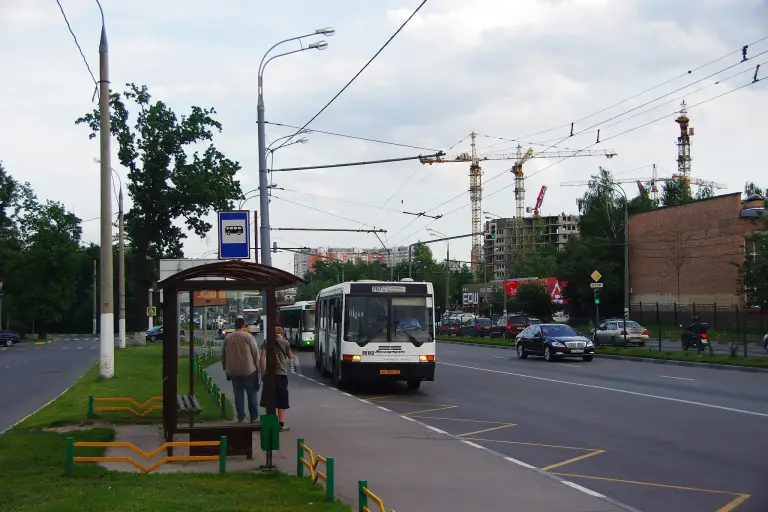 IKARUS Ikarus 435: the pusher articulated bus of the 400 family
-
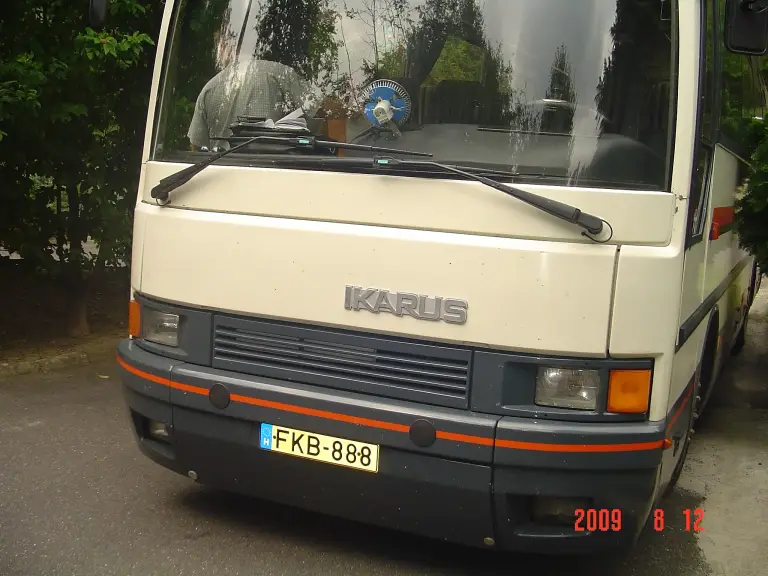 IKARUS Ikarus 365: the compact tour coach of the 300 family
-
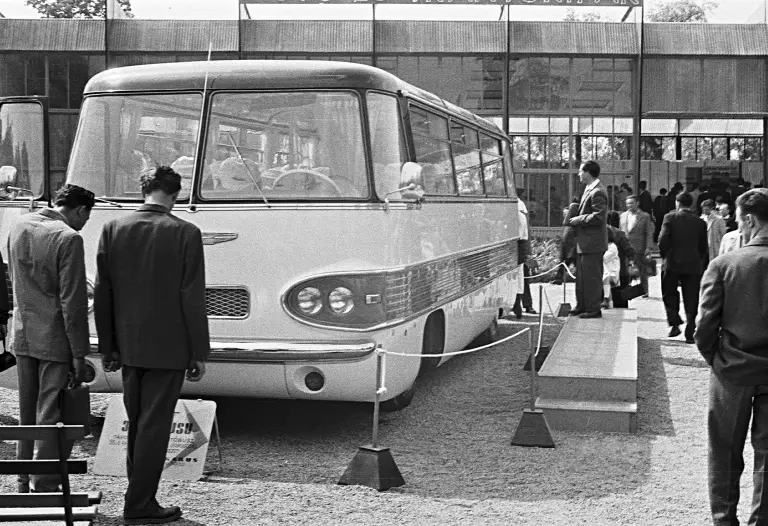 IKARUS Ikarus 303: the luxury coach that never went into production
-
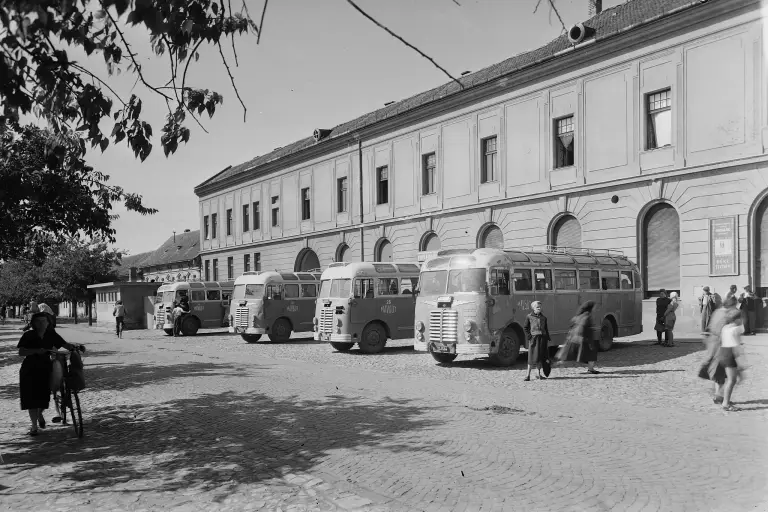 IKARUS Ikarus 30: the first bus sold under the Ikarus name
-
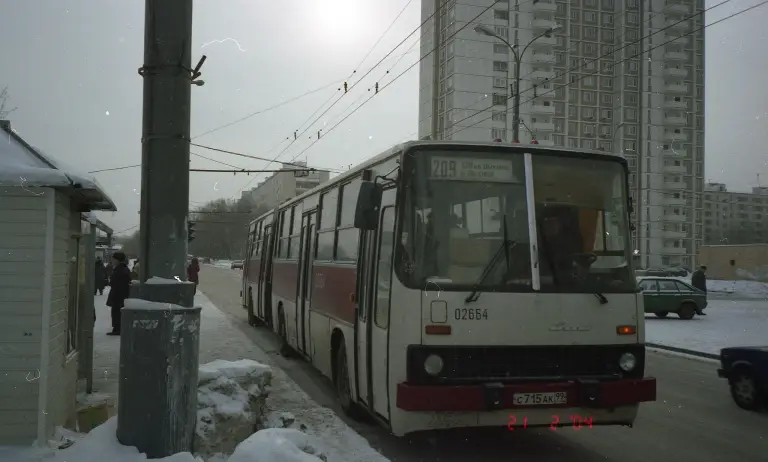 IKARUS Ikarus 283: the 18-metre articulated bus
-
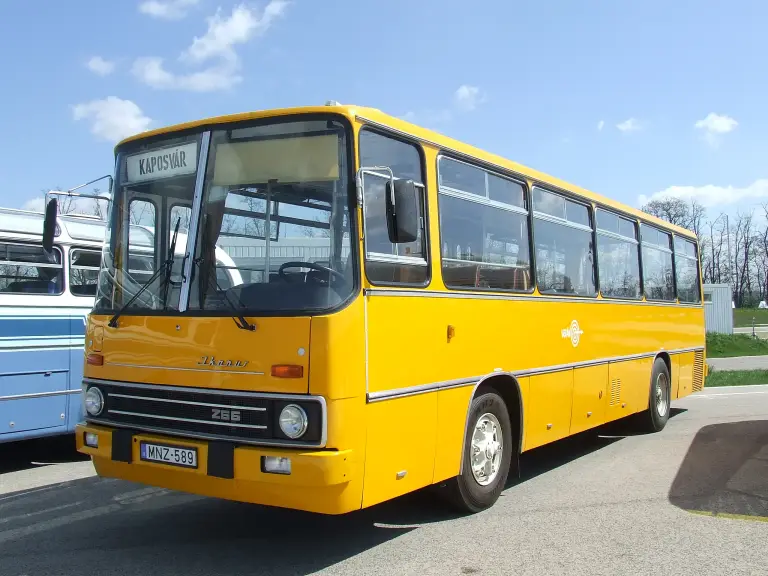 IKARUS Ikarus 266: the suburban workhorse of the 200 family
-
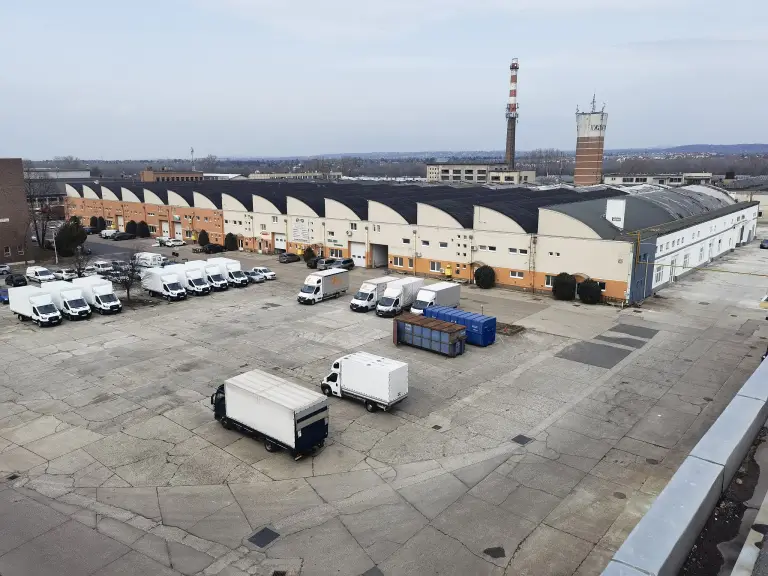 IKARUS Ikarus 211: the midi bus of the 200 family
-
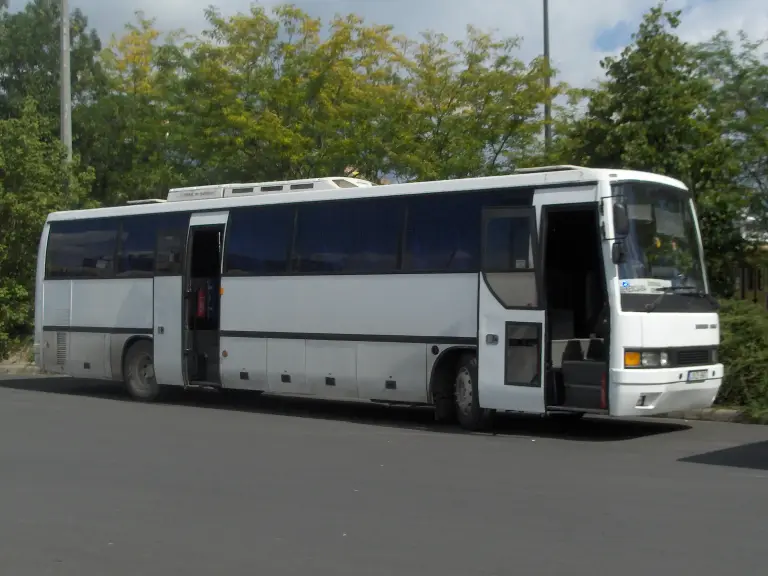 IKARUS Ikarus 350: the tour coach of the 300 family
-
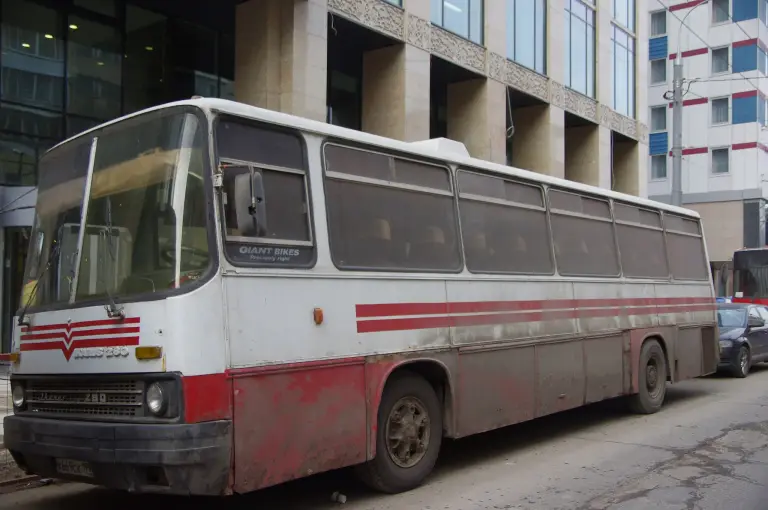 IKARUS Ikarus 256: the air-sprung workhorse of Hungarian long-distance traffic
-
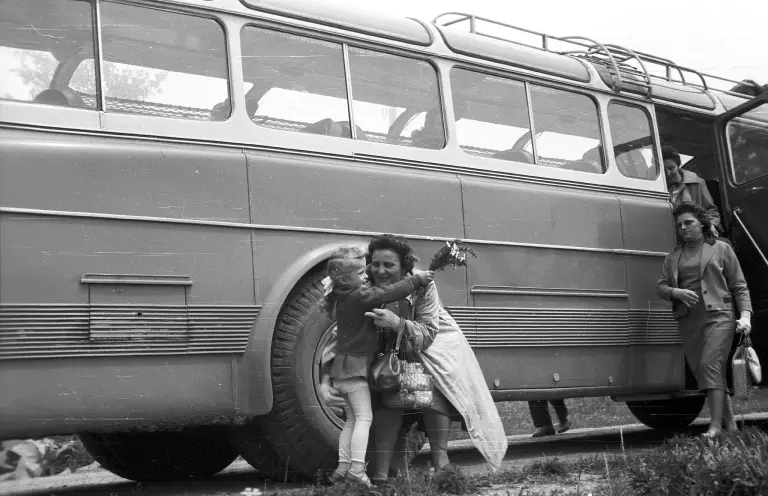 IKARUS Ikarus 55: the ‘Faros’ that changed Hungarian coach design
-
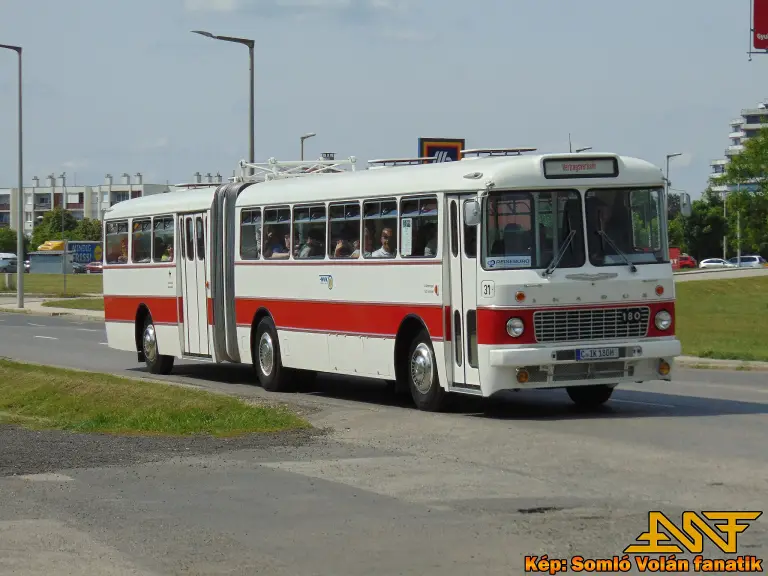 IKARUS Ikarus 180: the first series articulated bus from Ikarus
-
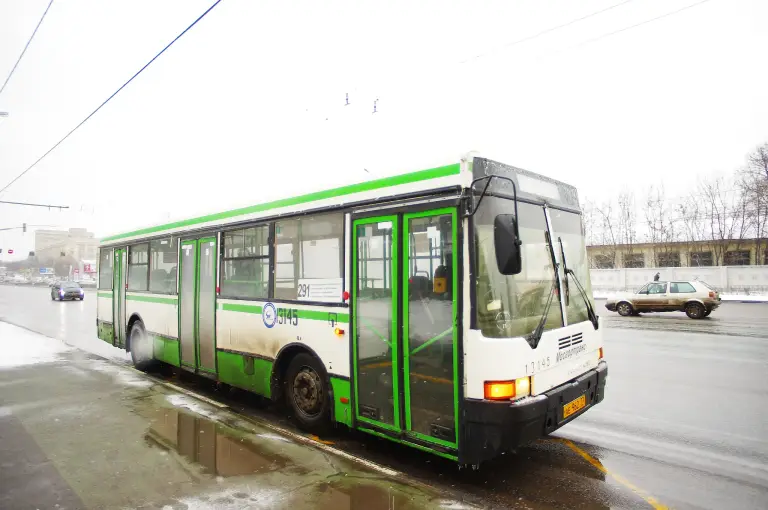 IKARUS Ikarus 415: the city bus that was meant to replace the 260
-
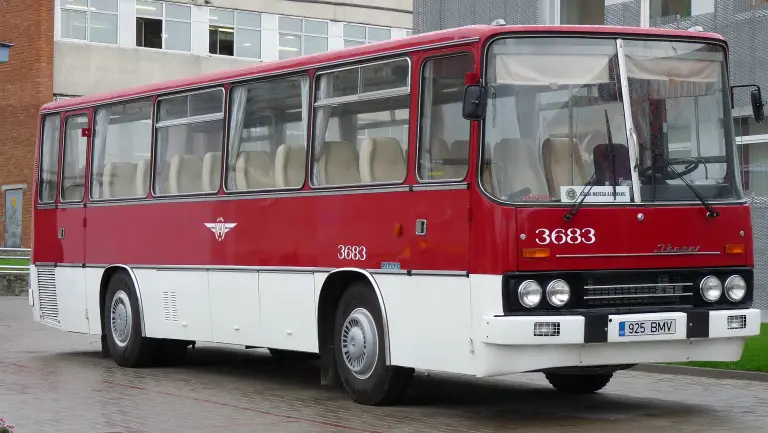 IKARUS Ikarus 255: the cheaper long-distance coach
-
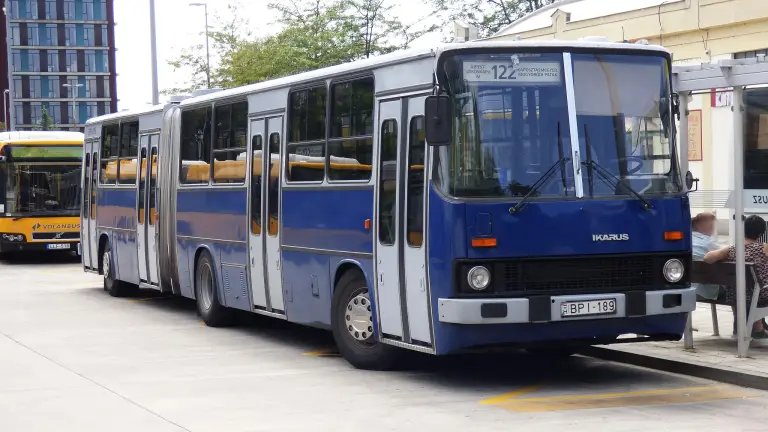 IKARUS Ikarus 280: the articulated bus that dominated the Eastern Bloc