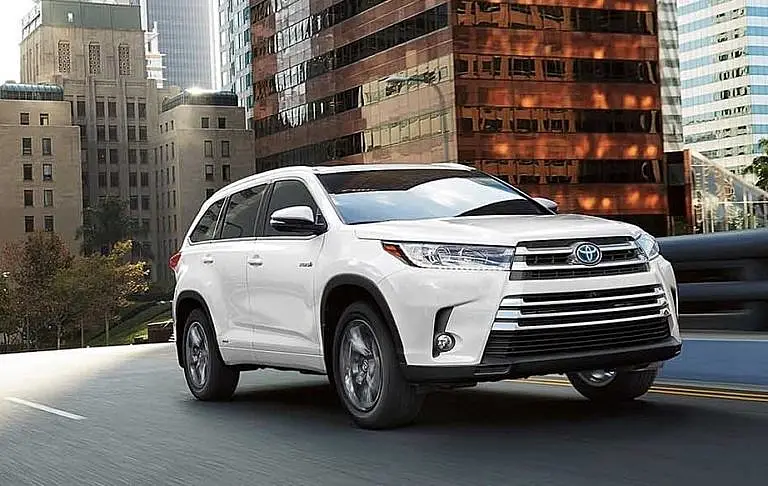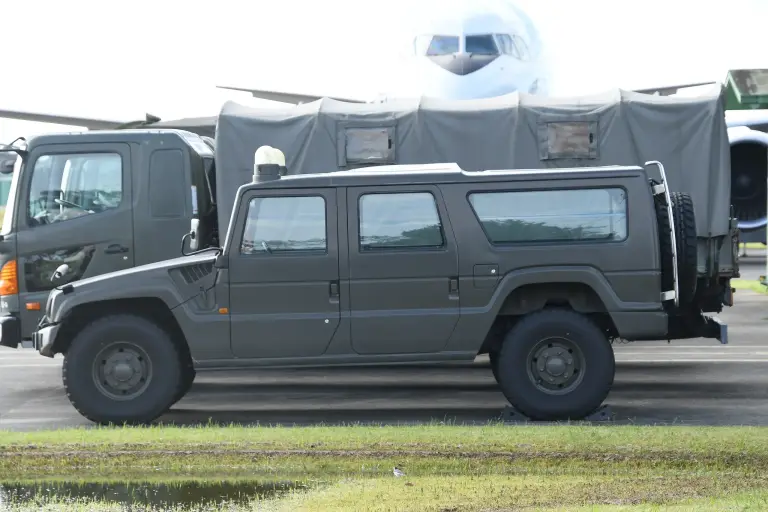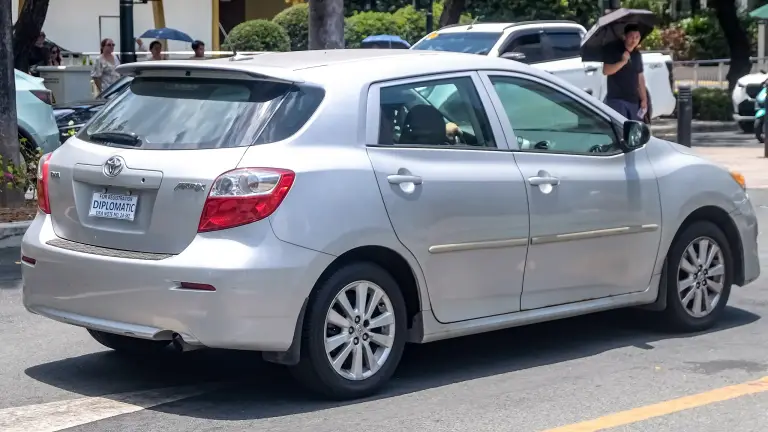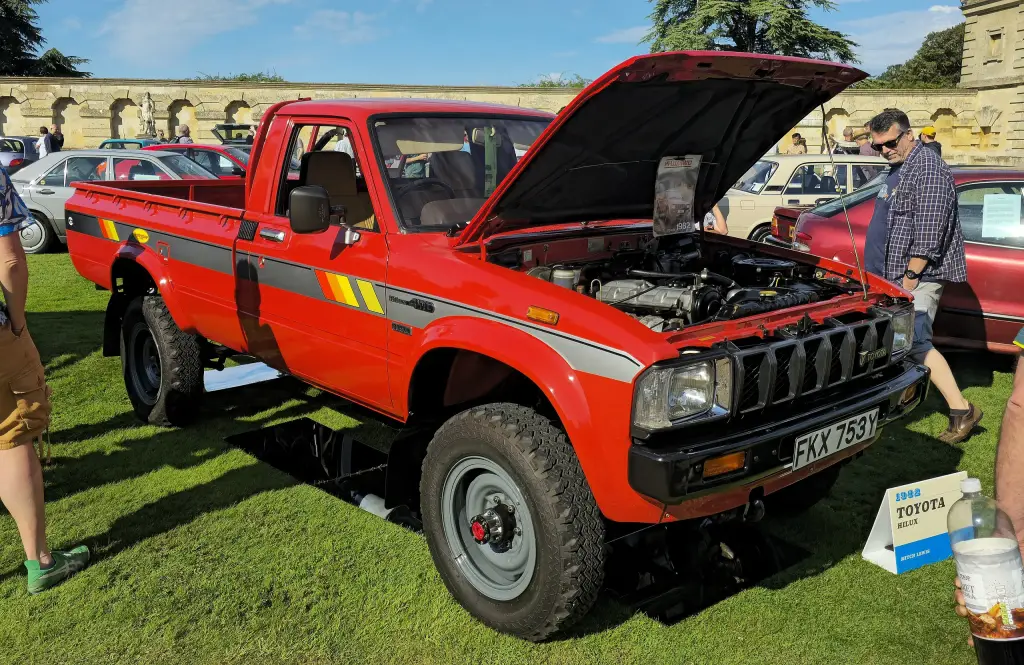
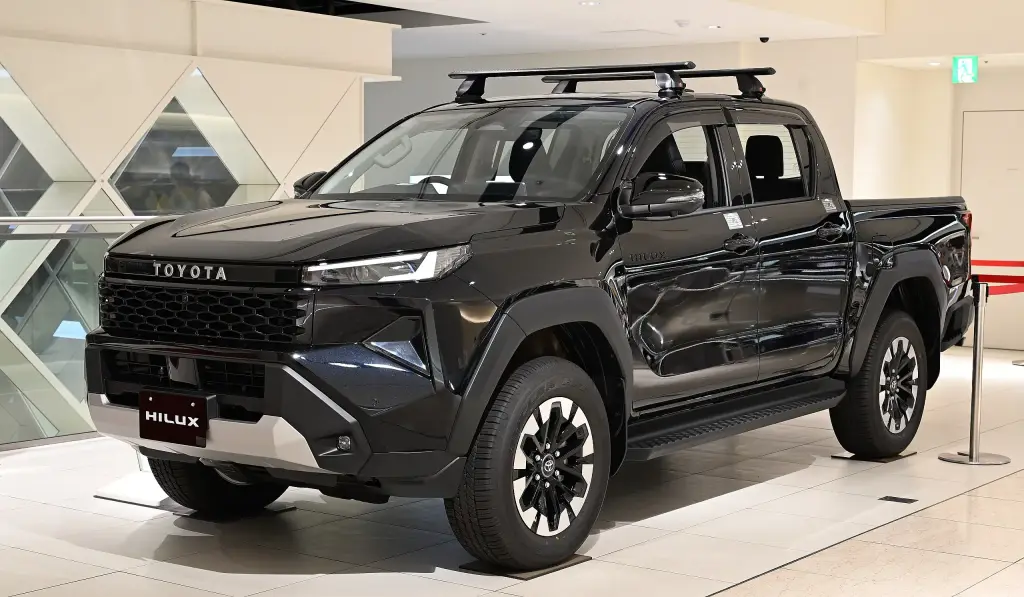
The Toyota Hilux is a series of pickup trucks produced and marketed since 1968, usually as a pickup or a cab-chassis but available in many body styles. Toyota says the name is a portmanteau of “high luxury”, a reference to its more comfortable equipment compared with the spartan Stout.
Toyota Hilux at a glance
| Maker | Toyota |
|---|---|
| Production | Since March 1968 |
| Class | Pickup truck |
| First model | RN10, developed and built by Hino Motors |
| First engine | 1.5-litre 2R, 77 PS |
| North American names | Pickup, then Truck, then Tacoma from 1995 |
| Platform | IMV ladder frame since 2004, shared with Fortuner and Innova |
| Name | From “high luxury” |
| Global sales | 17.7 million by 2017 |
| Related models | 4Runner, Hilux Surf, Fortuner, Innova |
Based on one source: the English Wikipedia article on the Toyota Hilux.
History of the Toyota Hilux
First generation (N10; 1968)
The Hilux began production in March 1968 as the RN10 in short-wheelbase form, with a 1.5-litre four of 77 PS and a top speed of about 130 km/h. It was conceived by Toyota and developed and built by Hino Motors at Hamura, and sold in Japan through Toyota Store and Toyopet Store. A long-wheelbase version arrived in April 1969 and box vans in July 1970, with a 1.6-litre engine replacing the 1.5 in February 1971. The truck used A-arms and coil springs at the front and a live axle with leaf springs at the rear, with a four-speed manual as standard. From November 1971 American-market trucks were shipped as cab-chassis and finished in Long Beach, California, where a locally built bed was fitted: by importing only a chassis cab Toyota paid a 4 per cent tariff instead of the 25 per cent chicken tax on light trucks.
Second generation (N20; 1972)
The 1973 model-year Hilux, the RN20, was nicknamed RokeHi, from “Rocket Hilux”, and had a more comfortable interior. A long bed became available in North America for the first time, although it had been sold elsewhere since 1969. The 2.0-litre 18R was offered in Japan with a three-speed automatic. A 1975 facelift made the truck larger, added the 2.2-litre 20R and the SR5 trim in North America and made a five-speed manual optional. From 1976 the Hilux name was dropped in North America in favour of Pickup. Toyota never offered a factory four-wheel-drive version of this generation; a company called Off Road Marketing sold a conversion called the Wolverine 4×4 from 1975.
The Hilux family
In 1984 the station-wagon version of the Hilux became the 4Runner in the Americas, Australia and the Middle East and the Hilux Surf in Japan. Toyota added the T100 in North America in 1992 and the Grandlux in the Middle East, and in 1995 replaced the Hilux with the Tacoma in North America while keeping it elsewhere. Since the seventh generation of 2004 the Hilux has shared the IMV ladder frame with the Fortuner SUV and the Innova MPV. The SR5 package — Sport Runabout 5-Speed — became so popular that Americans used it as a model name. Regional versions have included the South African Stallion and the Thai Hilux Revo.
Design and features
- Global pickup: sold on every continent and built in many countries.
- IMV chassis: the ladder frame shared with the Fortuner and Innova since 2004.
- Tariff engineering: American trucks were imported as cab-chassis to avoid the chicken tax.
- Family tree: the 4Runner, Surf, Tacoma and T100 all grew out of the Hilux.
Toyota Hilux versions
- N10 (1968): first generation with the 2R engine.
- N20 (1972): RokeHi, with the 18R and later the 20R engine.
- Wolverine 4×4 (1975): aftermarket four-wheel-drive conversion.
- 4Runner (1984): the station-wagon version became a separate SUV.
- Tacoma (1995): the North American replacement for the Hilux.
- IMV generation (2004): shared platform with the Fortuner and Innova.
The Hilux is the basis of the 4Runner, Fortuner and Innova, and the older Stout was its predecessor. More cars are in the Toyota collection.
Sources
- Toyota Hilux, English Wikipedia: history, generations, family