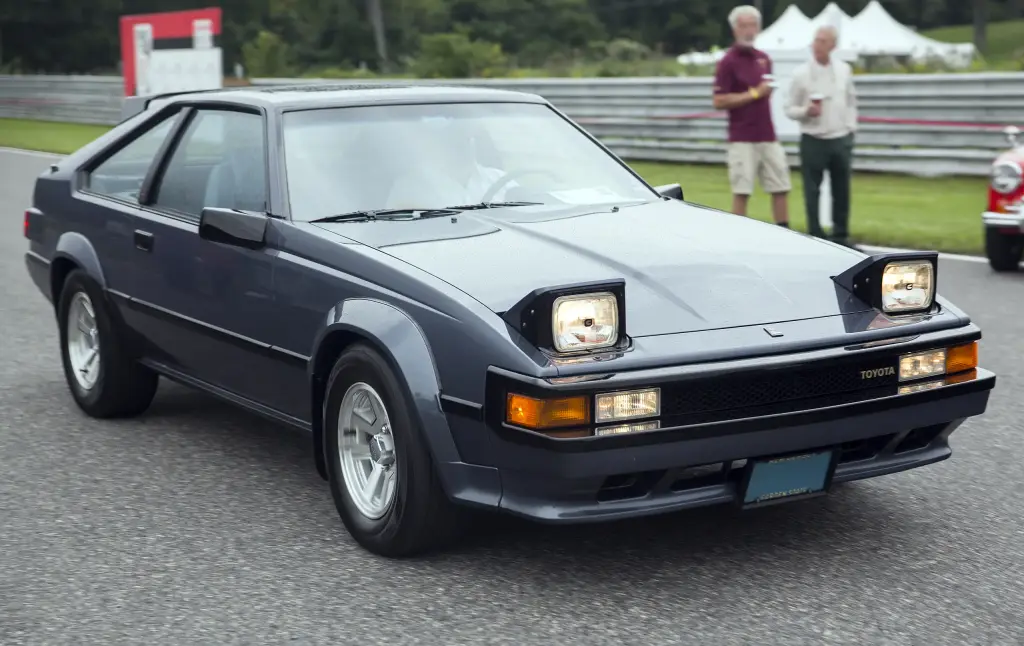
The Toyota Supra is a sports car and grand tourer developed by Toyota since 1978, its name taken from the Latin prefix meaning “above” or “to surpass”. The first four generations were built from 1978 to 2002, and the fifth has been produced since March 2019.
Toyota Supra at a glance
| Maker | Toyota |
|---|---|
| Production | 1978–2002, and since March 2019 |
| Generations | Five |
| First name | Celica Supra, Celica XX in Japan |
| Engine layout | Straight-six, a descendant of the 2000GT’s M engine |
| Separate model since | Mid-1986 (A70) |
| Built at | Tahara, then Motomachi; Graz for the fifth generation |
| Fifth generation | Co-developed with the BMW Z4 |
| Name | Latin for above or beyond |
| Production ended | GR Supra in March 2026 |
Based on one source: the English Wikipedia article on the Toyota Supra.
History of the Toyota Supra
First generation (A40/A50; 1978)
The first Supra was based largely on the Celica liftback but was 129.5 mm longer: the doors and rear were shared, while the front panels were stretched to fit a straight-six instead of the Celica’s four. Toyota created the Celica Supra after North American dealers asked for a competitor to the Datsun 280Z. In Japan the car was the Celica XX, sold at Toyota Corolla Store alongside the Celica and offering the comfort of the Chaser, Mark II and Crown hardtop coupes. It came with a 125 PS 2.0-litre M-EU or a 111 PS 2.6-litre 4M-E straight-six, both fuel-injected, with a five-speed manual or four-speed automatic, four-wheel disc brakes and a four-link coil-sprung rear axle. The Celica XX had five trim packages from the 2600G to the 2000L, with leather and alloy wheels only on the G.
Celica Supra to Supra
The Supra’s roots reach back to the 2000GT and the Crown’s M engine, and the chassis code A was carried over. Toyota also gave the Supra its own logo, derived from the Celica’s dragon emblem but blue instead of orange, used until January 1986, when the A70 Supra arrived with orange lettering on a red background. From mid-1986 the A70 Supra became a separate model from the Celica and Toyota dropped the Celica prefix. The first three generations were assembled at Tahara and the fourth at Motomachi, while the fifth is built alongside the BMW Z4 in Graz, Austria, by Magna Steyr.
Later generations
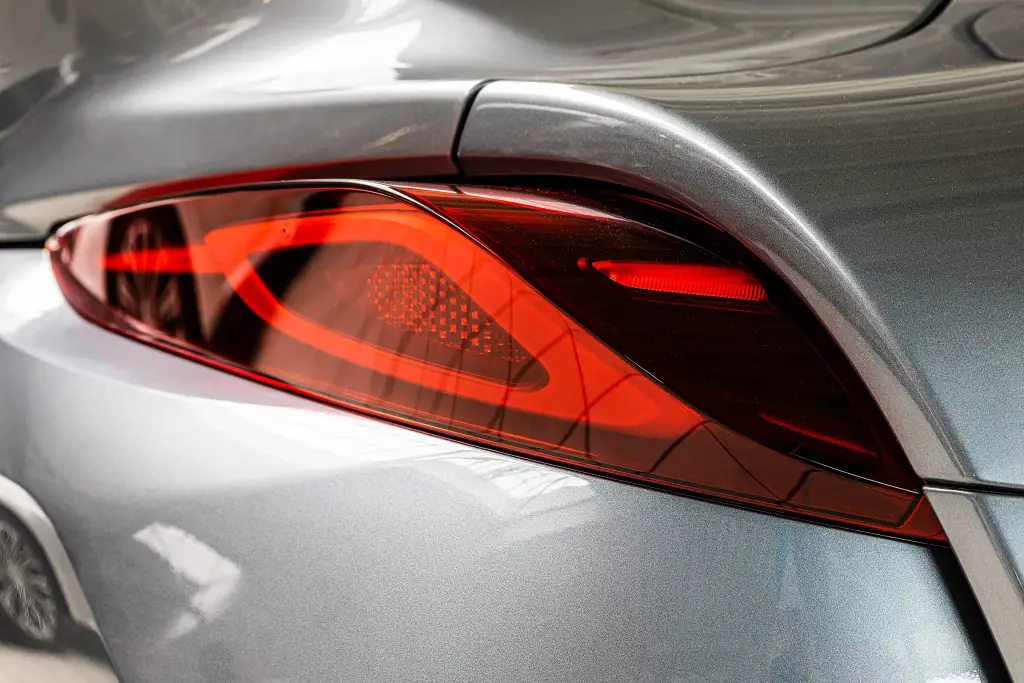
The second, third and fourth generations grew larger and more powerful, the fourth becoming the car most associated with the Supra name in the 1990s, with turbocharged straight-six engines. Toyota stopped selling the fourth-generation Supra in the United States in 1998, and worldwide production ended in 2002. The fifth generation, the GR Supra, was introduced in January 2019 and co-developed with the G29 BMW Z4, going on sale in May 2019. Toyota ended GR Supra production in March 2026.
Design and features
- Straight-six heritage: an engine line descended from the Crown and 2000GT.
- Own identity: a separate model from the Celica from 1986.
- Own badge: a dragon-derived logo in Supra colours until 1991.
- BMW partnership: the fifth generation shares its platform with the Z4.
Toyota Supra versions
- Celica Supra (1978): first generation with 2.0 and 2.6-litre sixes.
- Celica XX: the Japanese name, with five trim packages.
- A70 (1986): first standalone Supra.
- Fourth generation: the 1990s turbo car, built until 2002.
- GR Supra (2019): fifth generation, built in Graz with the BMW Z4.
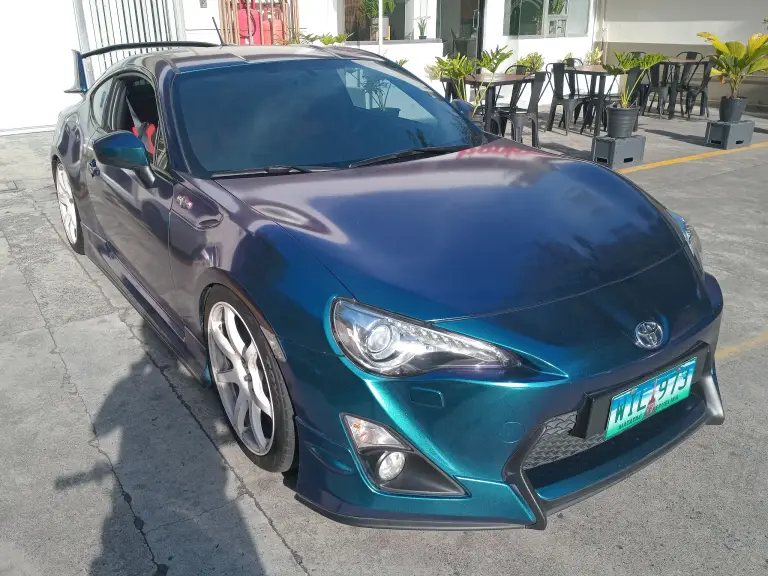
The Supra began as a Celica variant and continues the line of the 2000GT; its four-cylinder cousin is the Toyota 86. More cars are in the Toyota collection.
Sources
- Toyota Supra, English Wikipedia: generations, history, production