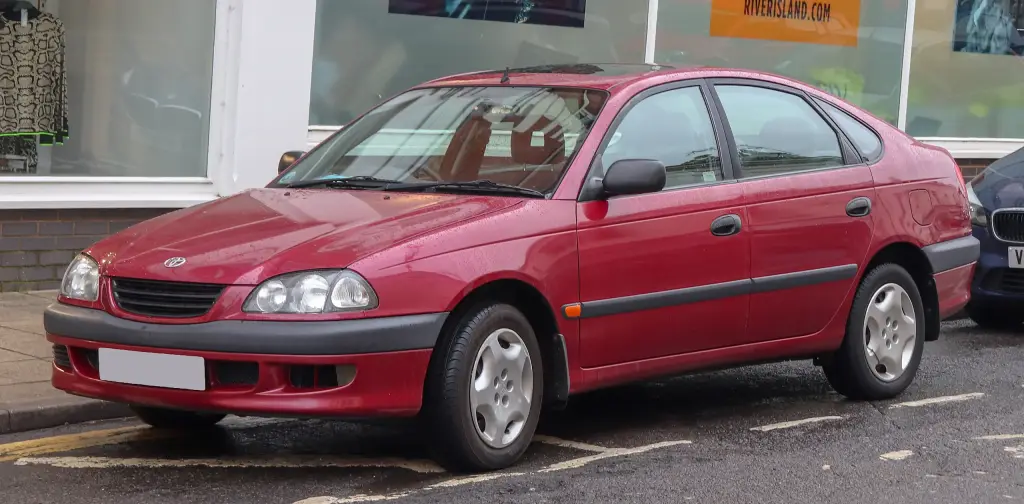
The Toyota Avensis was a mid-size family car built at Burnaston in Derbyshire from October 1997 to August 2018. It replaced the European Carina E and was sold as a four-door saloon, a five-door liftback and an estate, with petrol and diesel engines.
Toyota Avensis at a glance
| Maker | Toyota |
|---|---|
| Production | October 1997 – August 2018 |
| Built in | Burnaston, Derbyshire, United Kingdom |
| Predecessor | Toyota Carina E |
| Body styles | Saloon, five-door liftback, estate |
| First generation | T220, from late 1997 |
| Engines | 1.6–2.0-litre petrol, 2.0-litre turbo-diesel |
| Second generation | T250, from February 2003 |
| Name | From the French avancer, “to move forward” |
| Award | What Car? Best Family Car 2004 and 2005 |
Based on one source: the English Wikipedia article on the Toyota Avensis.
History of the Toyota Avensis
First generation (T220; 1997)
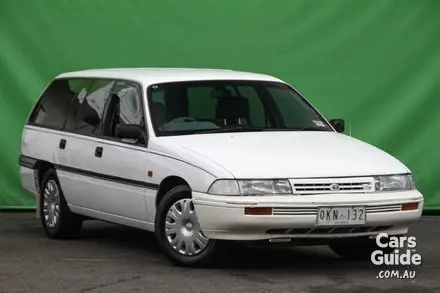
The Avensis was launched at the end of 1997 and was largely based on the Carina E, keeping its platform and engines. It was built at Toyota’s Burnaston factory in Derby, where production of the five-door Corolla also started at the same time. Buyers could choose from four engines — 1.6-, 1.8- and 2.0-litre petrol units and a 2.0-litre turbo-diesel — and three body styles. The estate was essentially the Japanese-market second-generation Caldina. Road testers praised build quality, space, equipment and refinement, but found the driving dynamics conservative. An August 2000 facelift brought variable valve timing, standard satellite navigation and a sporty 2.0 L SR version, although sales stayed low.
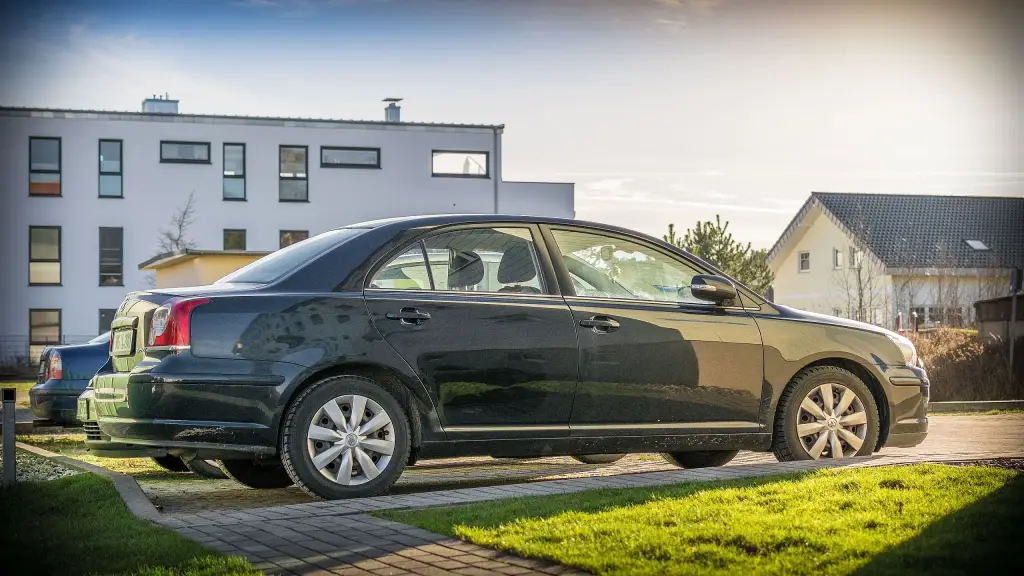
Second generation (T250; 2003)
The second-generation Avensis arrived in February 2003 with sharper styling, designed by Toyota’s French studio like the Yaris and Corolla. Production began on 6 January 2003, and after the Camry was withdrawn from Western Europe in 2004 the Avensis became Toyota’s largest saloon there. British trims ran from T2 to T Spirit and T180; Ireland had Terra, Aura, Strata, Luna and Sol, while Japan sold 2.0 Xi, 2.0 Li and 2.4 Qi, with four-wheel drive only on the base 2.0 Xi. It finished fourth in the 2004 European Car of the Year contest, behind the Fiat Panda, Mazda3 and Volkswagen Golf, but won the 2004 Semperit Irish Car of the Year and What Car? awards in 2004 and 2005.
Facelift and safety
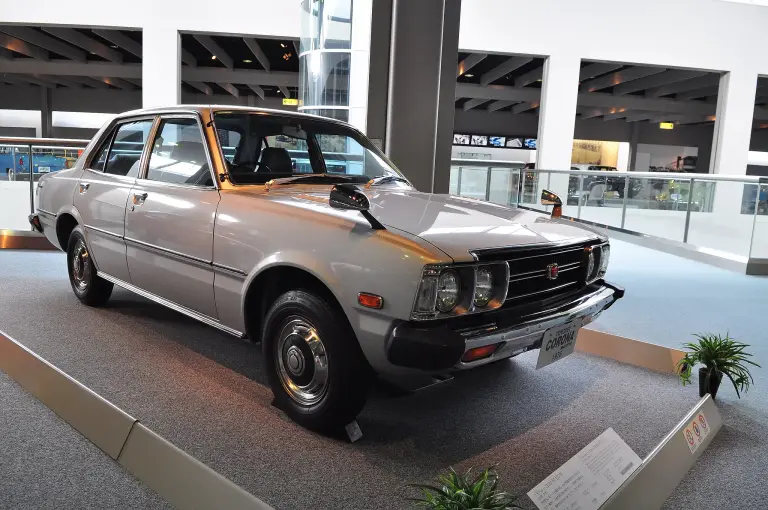
A 2006 facelift brought a new grille, headlamps and bumpers, mirror indicators, a revised interior and a more powerful 2.0-litre D-4D diesel of 126 hp with a six-speed manual. In 2003 the Avensis became the first Japanese car to earn five stars under Euro NCAP’s revised testing. It was also sold with the Corona name in Argentina and Brazil, and in Greece taxi versions kept Corona badges until the 2000 facelift. The Avensis remained in production until August 2018.
Design and features
- British build: made at Burnaston in Derbyshire for more than twenty years.
- Three body styles: saloon, five-door liftback and estate.
- Safety record: the first Japanese car with five Euro NCAP stars under the 2003 test.
- Award winner: What Car? Best Family Car in 2004 and 2005.
- Wide engine range: petrol units from 1.6 to 2.0 litres and 2.0-litre diesels.
Toyota Avensis versions
- T220 (1997): first generation, based on the Carina E.
- T220 facelift (2000): VVT engines, standard navigation, 2.0 L SR sport version.
- T250 (2003): second generation with new styling and five Euro NCAP stars.
- Japanese models: 2.0 Xi, 2.0 Li and 2.4 Qi.
- 2006 facelift: new front end and a 126 hp 2.0 D-4D diesel.
The Avensis replaced the Carina E, and its estate shared its body with the Caldina. More cars are in the Toyota collection.
Sources
- Toyota Avensis, English Wikipedia: generations, engines, awards