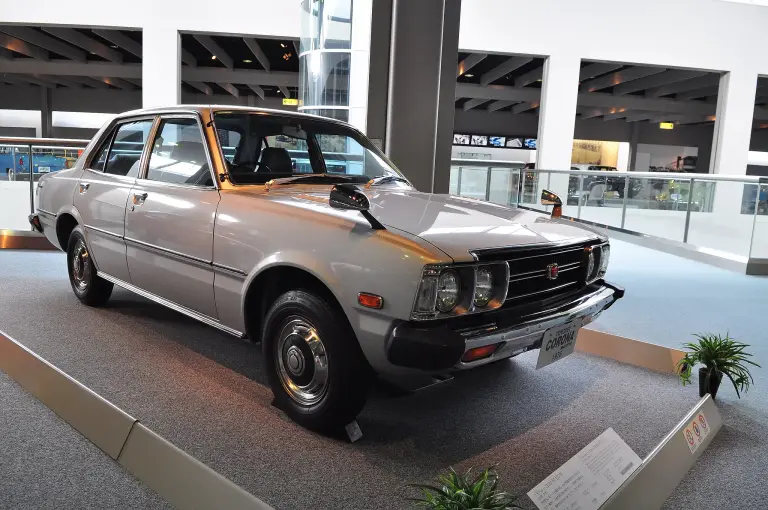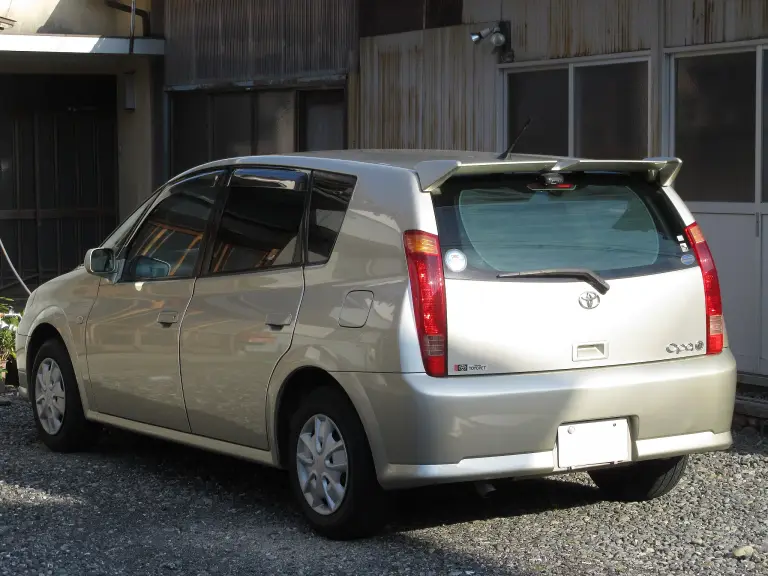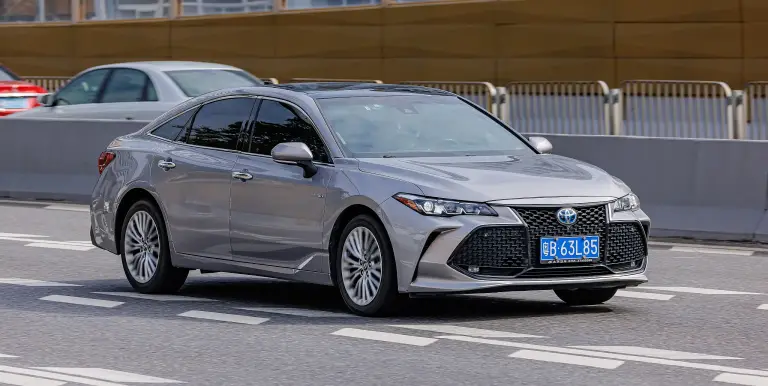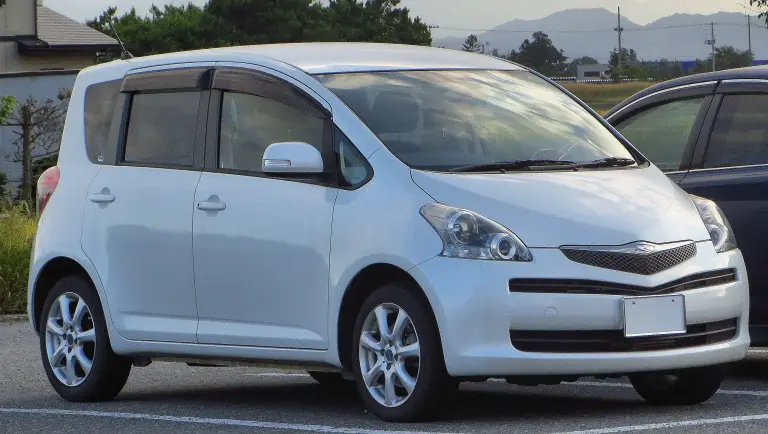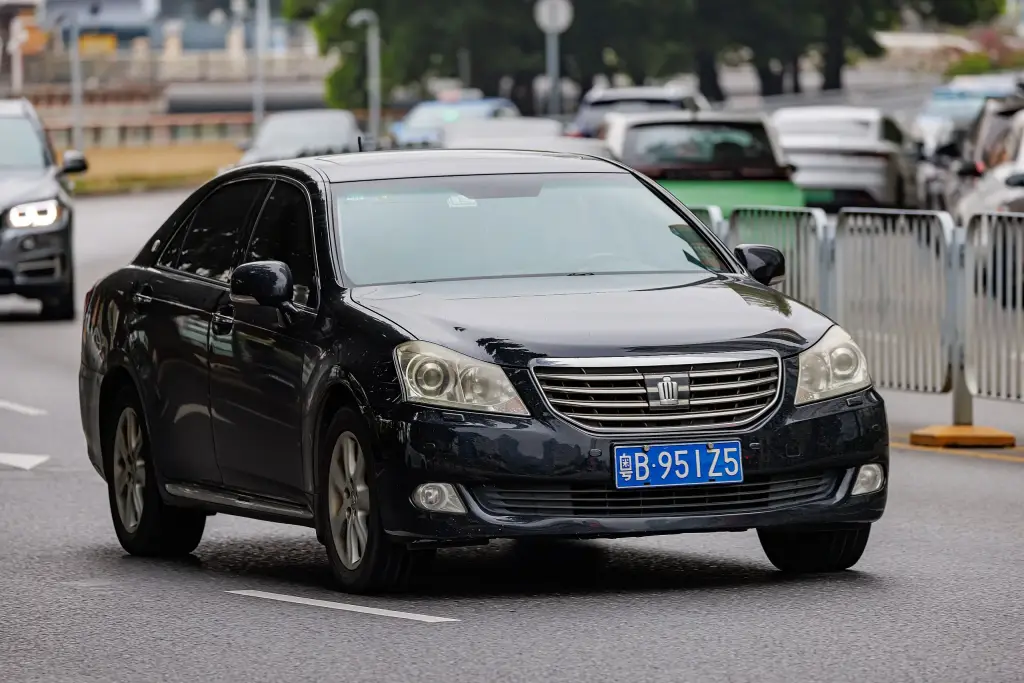
The Toyota Crown has been in production in Japan since January 1955 and is Toyota’s second longest-running nameplate after the Land Cruiser. It began as the Toyopet Crown, a private-buyer saloon sitting beside the taxi-oriented Master, and has served as Toyota’s mainstream executive car ever since.
Toyota Crown at a glance
| Maker | Toyota |
|---|---|
| Production | Since January 1955 |
| First name | Toyopet Crown |
| First engine | 1.5-litre Type R |
| Class | Executive saloon |
| Sold through | Toyota Store, Japan |
| First export | United States, 1958–1973 |
| Also built in | Australia, mid-1960s to late 1980s |
| Related | Lexus GS, which shared its platform from 1991 |
| 2022 line-up | Crossover, Sedan, Sport and Estate |
Based on one source: the English Wikipedia article on the Toyota Crown.
History of the Toyota Crown
First generation (1955)
The Crown was introduced in January 1955 for private buyers, while the Master served as a taxi with the same 1.5-litre Type R engine from the Toyopet Super. Its front doors opened conventionally but the rear doors were “suicide doors”, a feature shared with Toyota’s first car, the AA. Engine size was kept small to remain affordable under the annual road tax Japan introduced in 1950. A police version, the Toyota Patrol, used a reinforced chassis and the 3.4-litre B six from the Toyota BX truck, and a Crown-based ambulance was also built; both were upgraded to the 3.9-litre F engine in 1956 and lasted until 1959. The Crown was more comfortable than the Master and quickly became the more popular car.
Exports and the long run
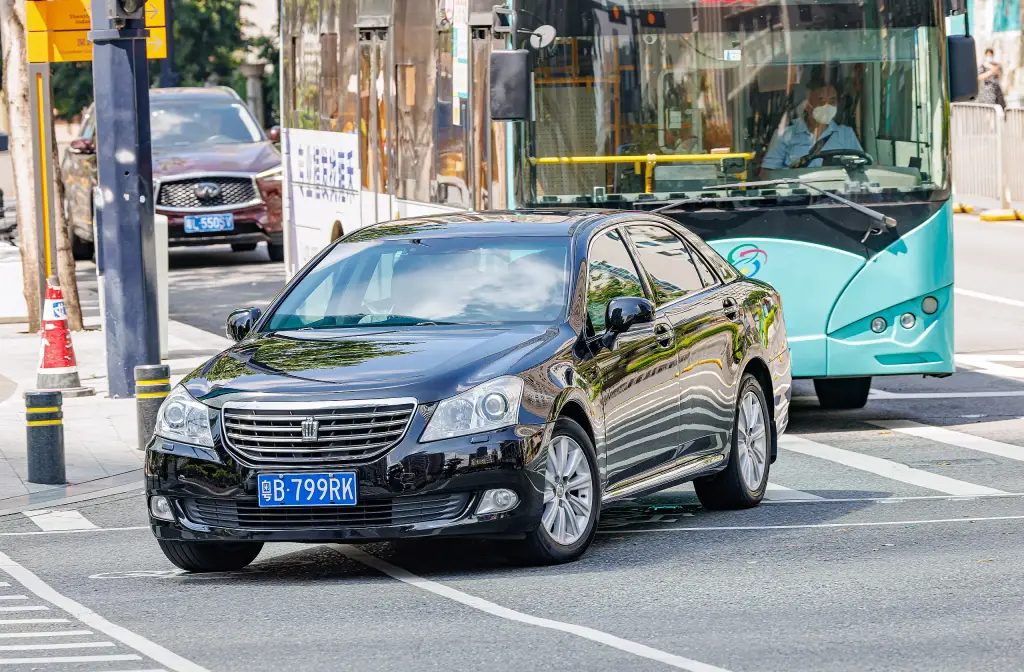
The Crown was the first Toyota exported to the United States, sold there from 1958 to 1973. In 1960 Toyota briefly suspended American exports because the car could not keep up with freeway speeds, then returned with an improved model. It was also exported to Canada from 1964 to 1972 and to Mexico from 1959 to 1964, reached Europe from 1964 with the first car going to Finland, and was manufactured in Australia from the mid-1960s until the late 1980s. Until 1972 the first four generations were sold in North America, where the Corona Mark II then took over, and the Crown returned there only in 2022 with the sixteenth generation. In Japan the Crown has long been favoured by police and government, and when the car grew too expensive for taxi work Toyota created the Comfort in 1995 as a cheaper alternative.
The Lexus link and the 2022 family
The Crown’s closest relative abroad has been the Lexus GS, which has shared its platform and powertrains since debuting as the Toyota Aristo in 1991, and in 1989 the larger Lexus LS took over as Toyota’s global flagship. Toyota’s Discover Crown Spirit Project restores examples of every generation to show that even the oldest Crown still runs. In 2022 Toyota unveiled four Crown models to replace the fifteenth generation: a Crossover first, then Sedan, Sport and Estate between 2023 and 2024, with hybrid, plug-in hybrid and fuel-cell power depending on the version. The sixteenth-generation Crown is exported to about 40 countries.
Design and features
- Longevity: in production since 1955, second only to the Land Cruiser among Toyota nameplates.
- Suicide rear doors: the original car had rear-hinged back doors.
- Police and government service: the Crown has been a Japanese official car for decades.
- Lexus GS link: the GS has shared the Crown’s platform since 1991.
Toyota Crown versions
- Toyopet Crown (1955): the original 1.5-litre saloon.
- Toyota Patrol: police version with a 3.4-litre six, later 3.9-litre.
- Crown-based ambulance: built from 1955 to 1959.
- Comfort (1995): cheaper taxi alternative as the Crown moved upmarket.
- Sixteenth generation (2022): Crossover, Sedan, Sport and Estate.
The Crown was the model above the Master at launch and shares its platform with the Aristo. Its flagship role passed to the Celsior, and more cars are in the Toyota collection.
Sources
- Toyota Crown, English Wikipedia: history, exports, generations