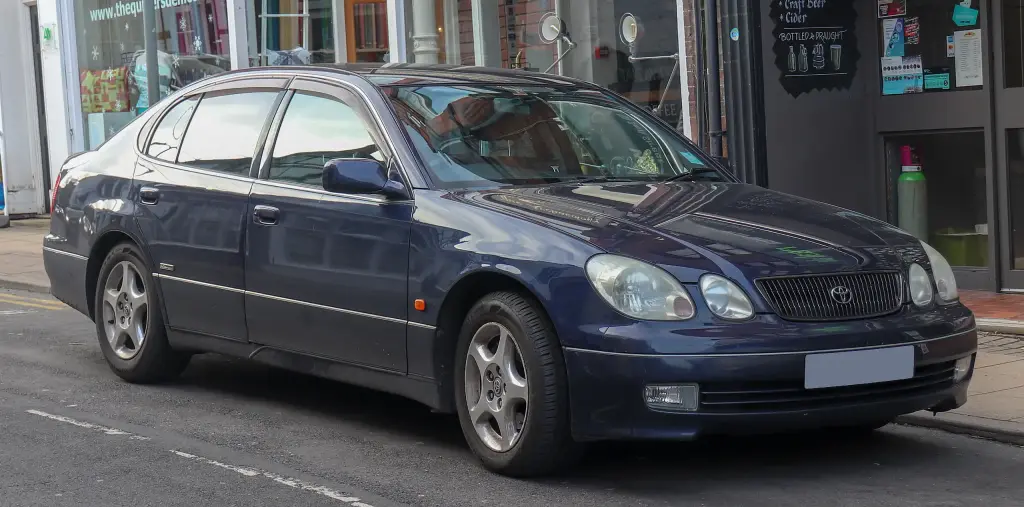
The Toyota Aristo was the Japanese-market version of the Lexus GS, sold from 1991 until the Lexus brand reached Japan in 2005. The first generation, launched in October 1991, was a rear-wheel-drive performance saloon styled by Italdesign Giugiaro and available with Toyota’s strongest straight-six engines.
Toyota Aristo at a glance
| Maker | Toyota |
|---|---|
| Production | 1991–2005 |
| First generation | S140, from October 1991 |
| Design | Italdesign Giugiaro |
| Layout | Front engine, rear- or all-wheel drive |
| Engines | 3.0-litre 2JZ-GE and twin-turbo 2JZ-GTE, 4.0-litre V8 |
| Power | 227 hp (3.0Q), 275 hp (3.0V), 249 hp (4.0Zi-Four) |
| Gearbox | Automatic |
| Built in | Tahara, Aichi |
| Japanese name until | 2005 |
| Export name | Lexus GS |
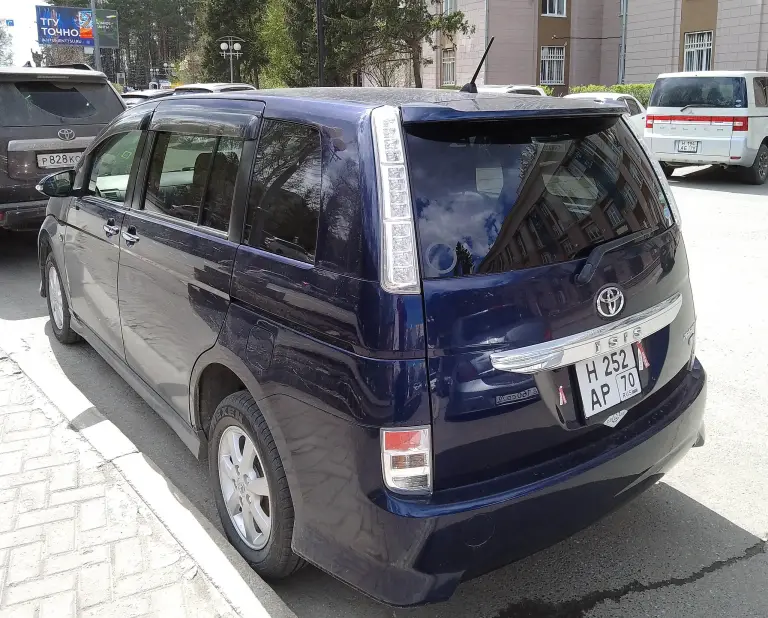
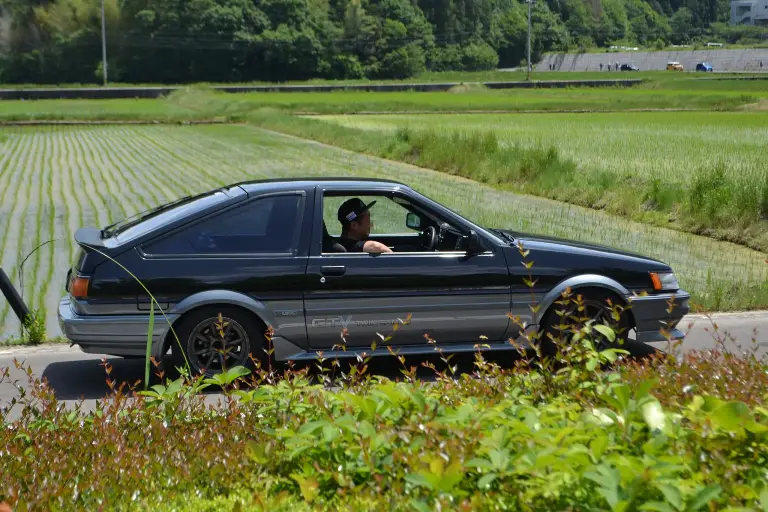
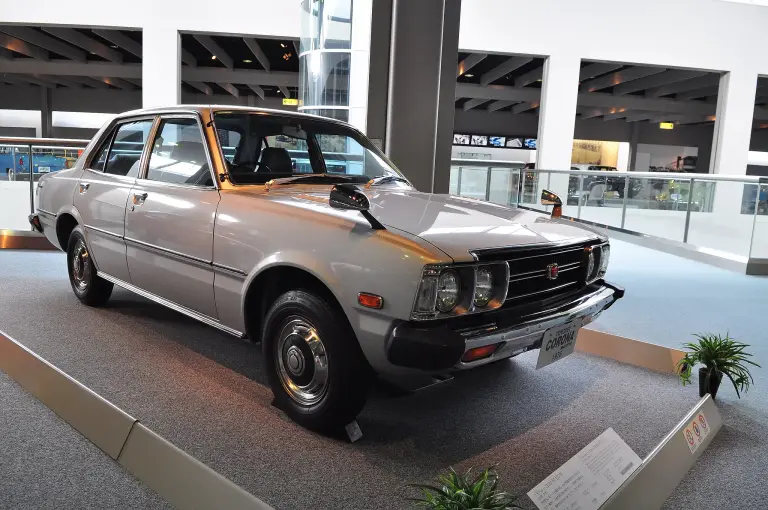
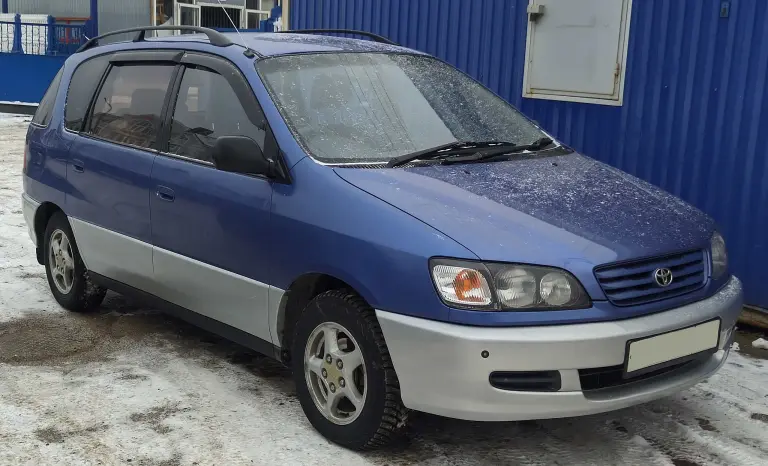
The Aristo is described in the first-generation section of the English Wikipedia article on the Lexus GS; this page uses that section only. No free photograph of an Aristo was available, so the article uses the cover already attached to the record.
History of the Toyota Aristo
Design and engineering
Italdesign Giugiaro began work on the GS 300 design in 1988, aiming for a European-style luxury saloon without the heavy detailing of Japanese premium cars. The result was a rounded, aerodynamic wedge with a high rear deck and a drag coefficient of 0.31. It had double-wishbone suspension front and rear and was built at Toyota’s Tahara plant, where robots performed 4,200 welds per body and only eight spot welds were done by hand. The car first appeared in Aristo form in Japan in October 1991; the export Lexus GS 300 followed on 22 February 1993.
Range
The Japanese Aristo came in two 3.0-litre forms: the 3.0Q with the 2JZ-GE engine and 227 hp, and the 3.0V with the twin-turbo 2JZ-GTE and 275 hp. The Aristo was the top luxury saloon at Toyota Auto Store, positioned above the Chaser. In 1992 a third version, the 4.0Zi-Four, added the 1UZ-FE V8 of 249 hp and Toyota’s iFour all-wheel-drive system. The export GS 300 was offered only with the 2JZ-GE and 227 hp, with walnut trim, leather, an automatic tilt-and-telescoping steering wheel, a Nakamichi stereo option and twin airbags.
A name that outlived its market
The Aristo and GS stayed largely identical in body and interior but differed in engines, transmissions and equipment packages for their markets. The Aristo continued through the second generation while the GS was sold abroad, and the name survived in Japan until January 2005, when the Lexus marque was introduced there and the car became the Lexus GS everywhere. The GS itself ran to four generations before production ended in August 2020.
Design and features
- Italdesign styling: a clean, European-style wedge with a drag coefficient of 0.31.
- Twin-turbo option: the 2JZ-GTE gave the Aristo 275 hp, 48 more than the export GS 300.
- V8 and all-wheel drive: the 1992 4.0Zi-Four combined the 1UZ-FE with iFour.
- Double wishbones: independent suspension at both ends.
- Highly automated build: 4,200 robot welds per body at Tahara.
Toyota Aristo versions
- 3.0Q (1991): 2JZ-GE engine, 227 hp.
- 3.0V (1991): twin-turbo 2JZ-GTE, 275 hp.
- 4.0Zi-Four (1992): 1UZ-FE V8, 249 hp, all-wheel drive.
- Lexus GS 300 (1993): the export version with the 2JZ-GE only.
The Aristo shared its platform thinking with the smaller Altezza and its market position with the Crown. More cars are in the Toyota collection.
Sources
- Lexus GS, English Wikipedia: Aristo history, engines, production