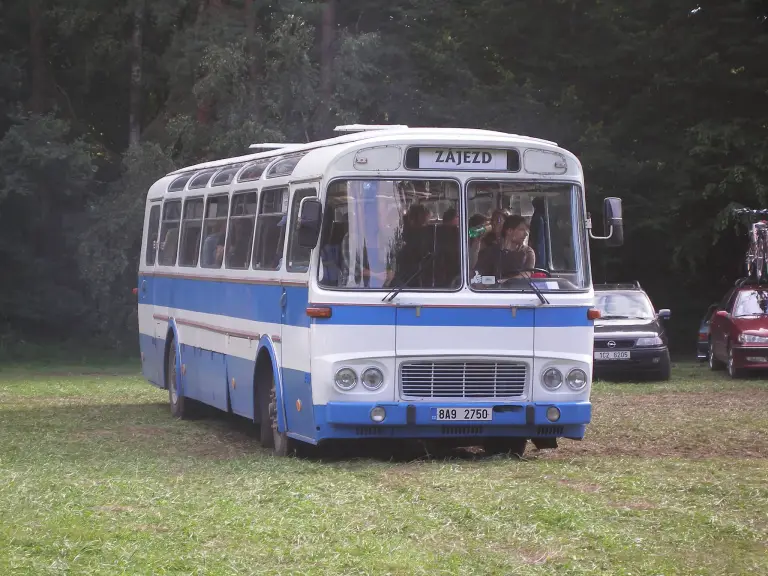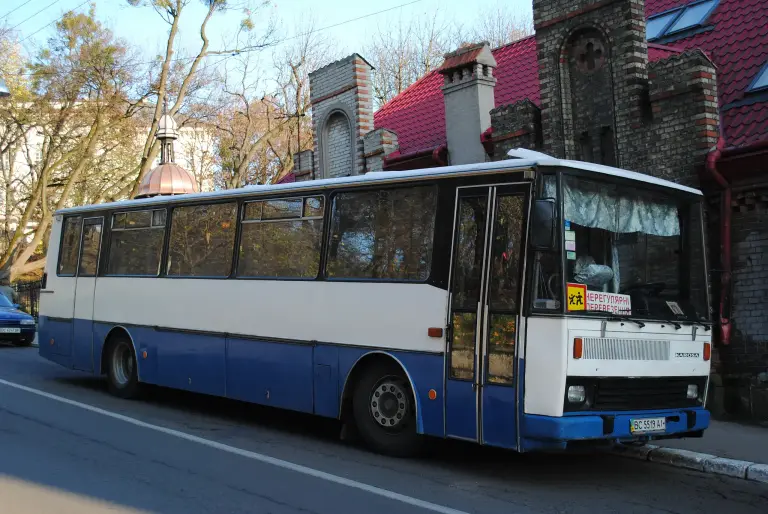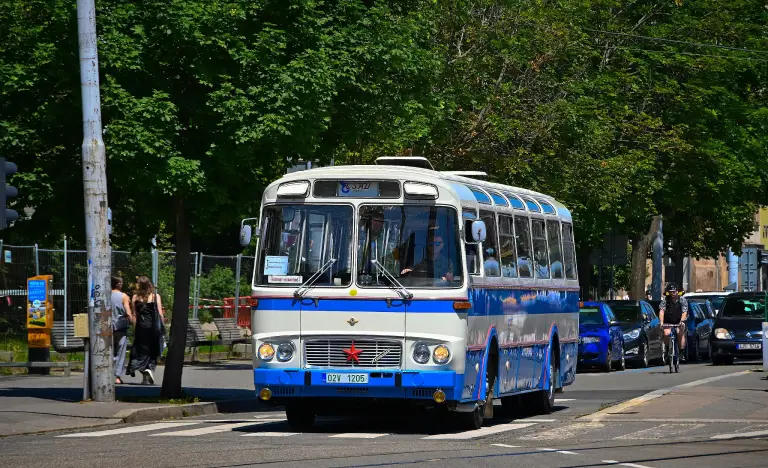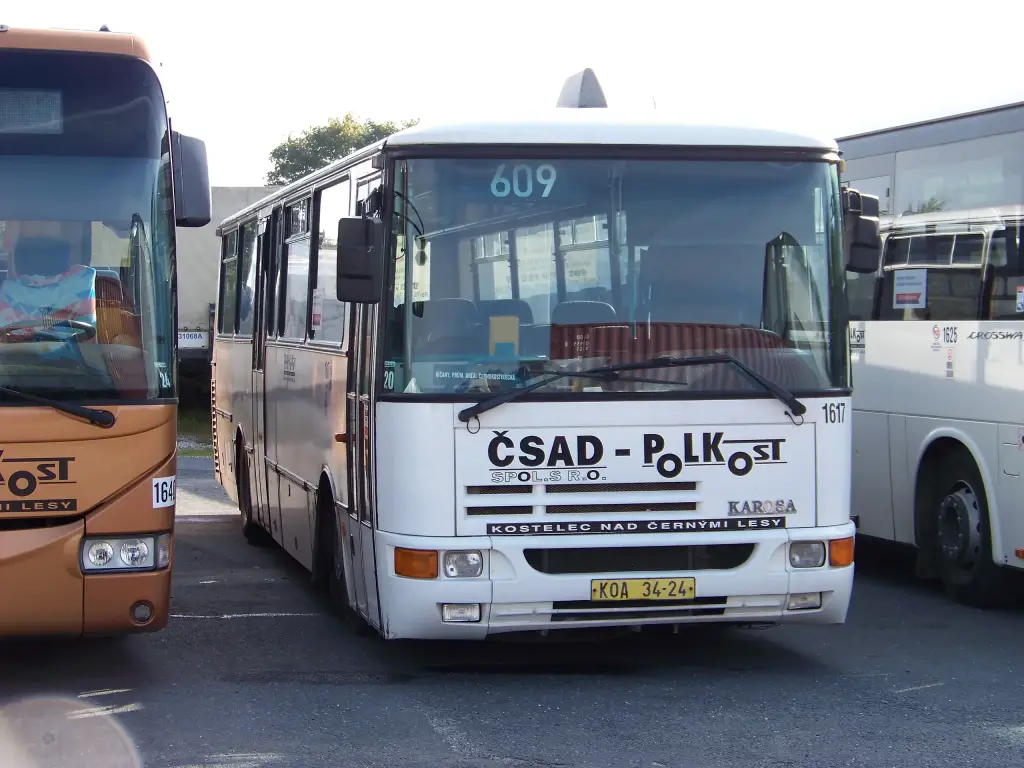
The Karosa C 934 was the intercity bus that opened the 900 series. Built in Vysoké Mýto from 1996 to 2002, it replaced the C 734 and became the most widespread model of the new range.
Karosa C 934 at a glance
| Maker | Karosa, Vysoké Mýto, Czech Republic |
|---|---|
| Production | 1996–2002 (C 934E to 2001, special orders to 2003) |
| Series | Karosa 900, basic model |
| Predecessor | Karosa C 734 |
| Successor | Karosa C 954 |
| Body | semi-self-supporting, panel construction |
| Engine | rear-mounted, manual gearbox |
| Doors | two double-leaf doors on the right |
| Luggage hold | 3.5 m³ between the axles |
| Seating | 2 + 2, rear section on a raised platform |
| Modernised version | C 934E from 1999, new door locks and roof hatches |
| Built | 1,396 |
History of the Karosa C 934
The C 934 was derived from the C 734 and shared its layout: a semi-self-supporting panel body, an engine with manual gearbox behind the rear axle driving only the rear axle, an independent front axle, a solid rear axle and air suspension on all axles. At first glance it was distinguished by a rounded front end and a notably bulky rear end. Passengers sat 2 + 2 along a central aisle, with the seats behind the middle doors on a raised platform, and the luggage hold under the floor between the axles took 3.5 m³.
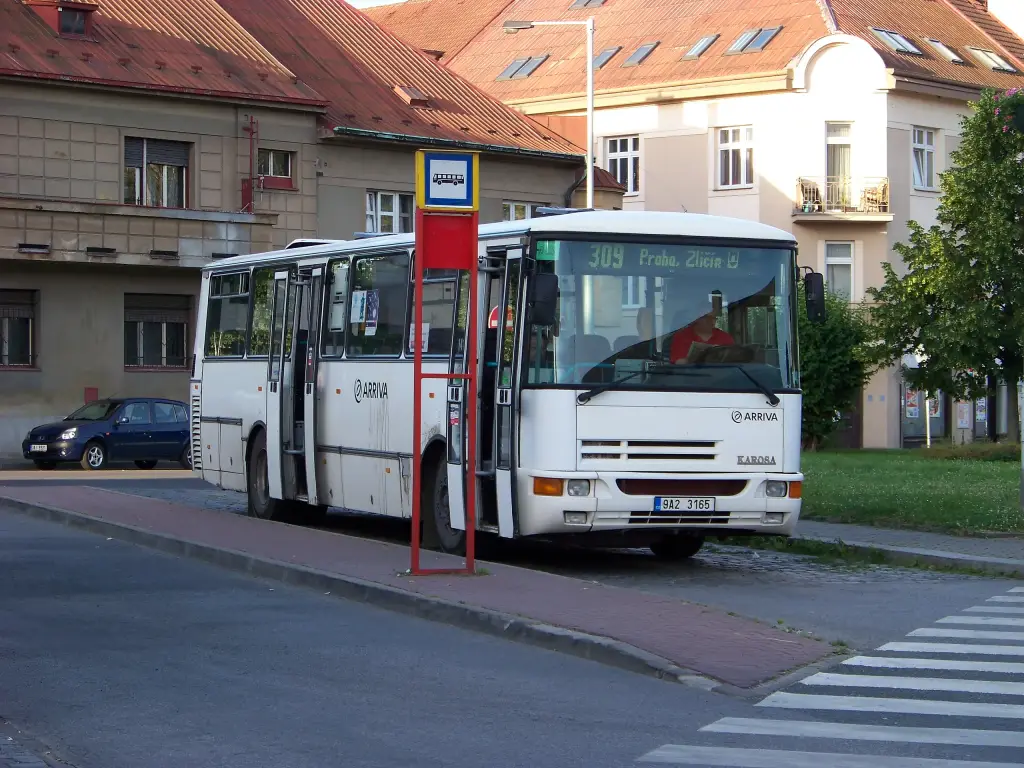
The prototype was finished in 1995 and serial production started a year later. In 1999 the bus was slightly modified and officially built as the C 934E until 2001; the biggest changes were different door locking and a new arrangement of the roof ventilation hatches. On special order the type was made until 2003, and in 2002–2003 a so-called Siberian version was produced for Russian oil and gas companies, without ventilation openings and with an improved heating system. In total 1,396 C 934 and C 934E buses were built.
The C 934 was intended mainly for shorter intercity and regional routes, and transport undertakings did not buy it in large numbers. In the Czech Republic only one bus remained in scheduled service at the time the Czech Wikipedia article was last updated, another had not yet entered service and one had been sold to film makers and later offered for spare parts; the rest were scrapped or laid up. A number of cars survive in museums and private collections, including one with the Prague transport company, one at MHDT Kladno and several ex-Arriva and ex-police vehicles.
Design and features
- 900-series styling: a rounded glass-fibre front and a heavy rear end, clearly different from the C 734.
- Raised rear floor: seats behind the middle doors stand on a platform over the driveline.
- C 934E update: new door locks and a revised layout of roof hatches from 1999.
- Siberian version: no ventilation openings and a stronger heating system for Russian customers.
Karosa C 934 versions
- C 934 (1996–1999): the original intercity bus.
- C 934E (1999–2001): modernised version with different door locks and roof hatches.
- Siberian version (2002–2003): sealed body and upgraded heating for Russian oil and gas companies.
The C 934 replaced the C 734 and was itself succeeded by the C 956 Axer; its city sister was the B 931. More are in the Karosa collection.
Sources
- Karosa C 934, English Wikipedia: construction, C 934E, production years
- Karosa C 934, Czech Wikipedia: prototype, Siberian version, production total, survivors