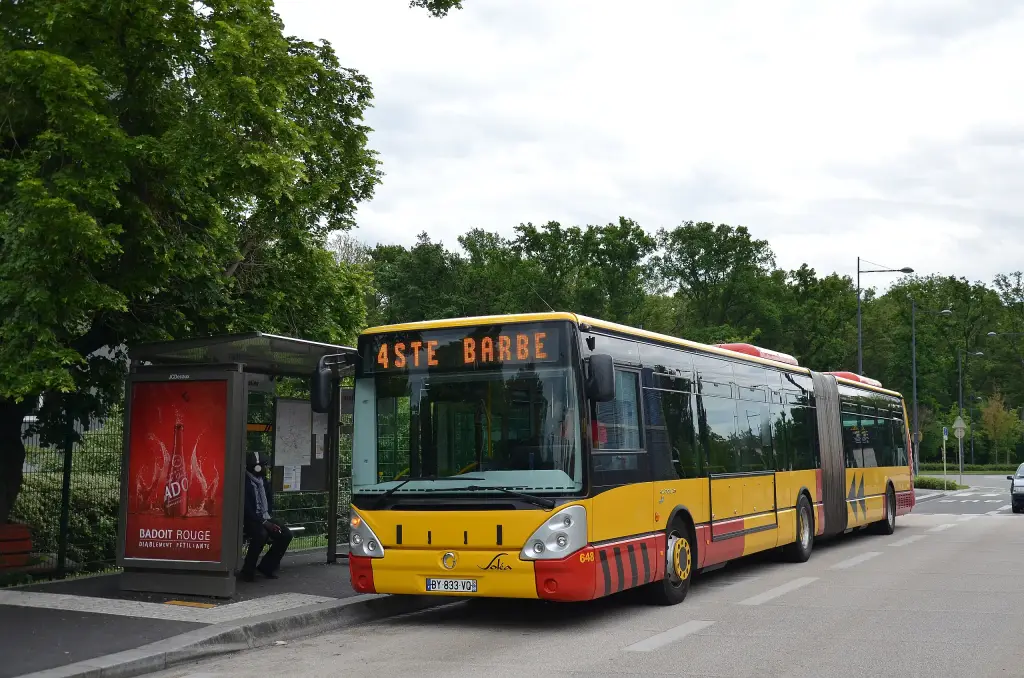
The Irisbus Citelis was the low-floor city bus that replaced the Agora. Introduced in 2005, it was built in France, Italy and the Czech Republic, and its trolleybus versions are still a common sight in Eastern Europe.
Irisbus Citelis at a glance
| Maker | Irisbus, later Iveco Bus |
|---|---|
| Production | 2005–2013 (to 2015 for some orders) |
| Predecessor | Irisbus Agora / Citybus |
| Successor | Iveco Urbanway |
| Versions | Citelis 10.5M, 12M and articulated 18M |
| Engines | Euro 4, Euro 5 and EEV |
| Trolleybus versions | Škoda 24Tr (12 m) and Škoda 25Tr (18 m) |
| Plants | Annonay (France), Valle Ufita (Italy), Vysoké Mýto (Czech Republic) |
| Built in Vysoké Mýto | 593, from 2010 to 2014 |
| Total built | 4,260 |
History of the Irisbus Citelis
The Citelis was introduced in 2005 to replace the Agora and was made until 2013, when the Iveco Urbanway took over in production. It came in three lengths: the Citelis 10.5M of about 10.5 m, the standard 12M of 12 m and the articulated 18M of 18 m. All used Euro 4, Euro 5 or EEV engines, and the range could also be supplied as trolleybuses drawing power from overhead wires instead of fuel.
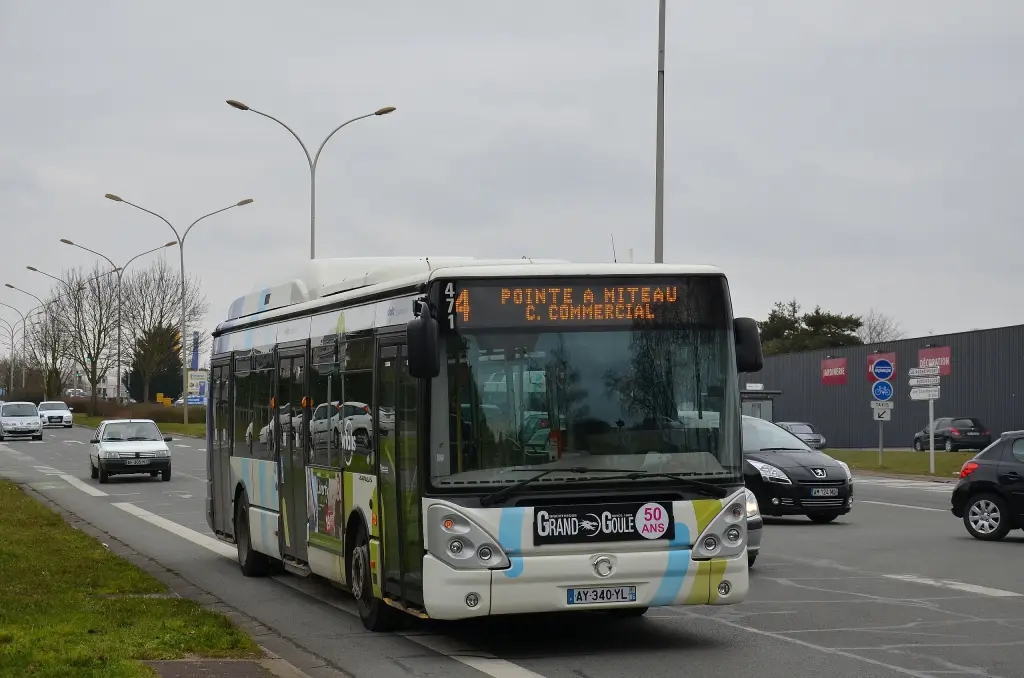
Production took place in the Irisbus plant at Annonay in France, at Valle Ufita in Italy until that plant closed in 2011, and in the Czech Republic at the Iveco Czech Republic works in Vysoké Mýto, the former Karosa factory, from 2010. A total of 593 Citelis buses were built in Vysoké Mýto before production there ended in 2014. The last Citelis buses were made in 2015 for Astana in Kazakhstan. Across all plants 4,260 vehicles of the range were built.
The trolleybus versions became particularly important in Eastern Europe, where they were known as the Škoda 24Tr Irisbus in the 12-metre form and the Škoda 25Tr Irisbus in the articulated 18-metre form. In service the Citelis appeared with operators in Paris, Milan, Rome, Brussels, Riga, Bucharest, Prague, Brno, Košice, Reykjavík, Palma, Thessaloniki and many other cities, and a right-hand-drive Citelis 18 CNG chassis was bodied by Custom Coaches in Australia in 2008–2009 for operation in Perth.
The Citelis is also remembered for its place in animation: in the Disney films Cars 2 and Planes: Fire & Rescue, Irisbus Citelis buses appear as characters including Emmanuel, who waits in Paris traffic behind Tow Mater at the Arc de Triomphe.
Design and features
- Three lengths: 10.5 m, 12 m and the articulated 18 m.
- Low floor: full low-floor access throughout the passenger area.
- Trolleybus option: built as the Škoda 24Tr and 25Tr for Eastern European operators.
- Clean engines: Euro 4, Euro 5 and EEV power units.
Irisbus Citelis versions
- Citelis 10.5M: the short 10.5-metre bus.
- Citelis 12M: the standard 12-metre bus.
- Citelis 18M: the articulated 18-metre bus.
- Škoda 24Tr / 25Tr: trolleybus versions of the 12M and 18M.
- CNG versions: compressed natural gas buses, including the Citelis 12 CNG.
The Citelis replaced the Irisbus Citybus and was built in the former Karosa works; its intercity stablemate was the C 956 Axer. More are in the Karosa collection.
Video: Karosa Citelis
Video on YouTube.
Sources
- Irisbus Citelis, English Wikipedia: versions, engines, operators, popular culture
- Irisbus Citelis, Czech Wikipedia: production total, plants, Vysoké Mýto output