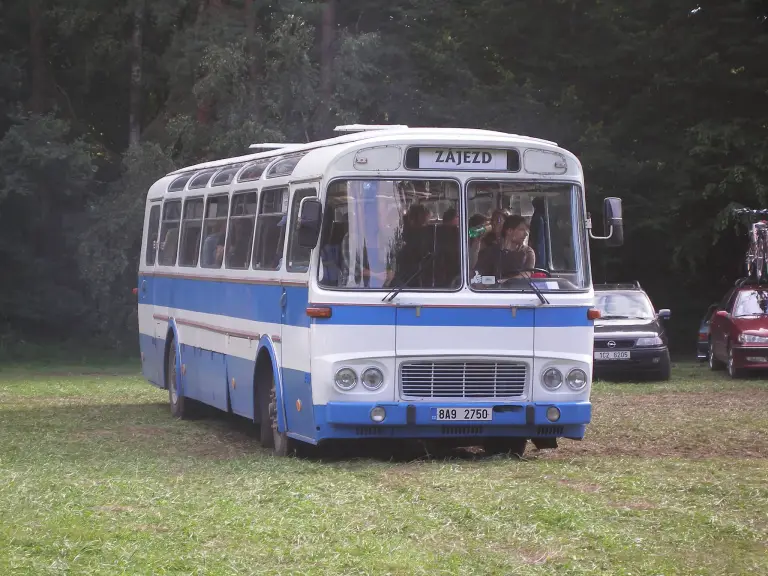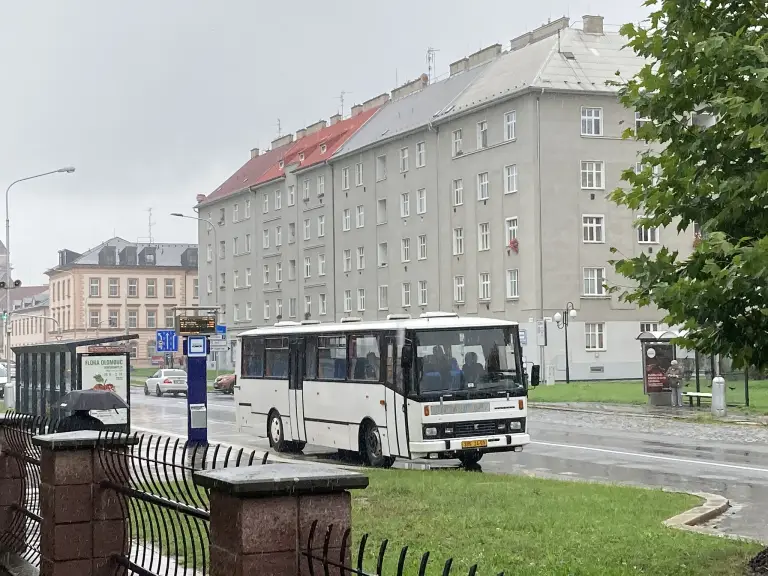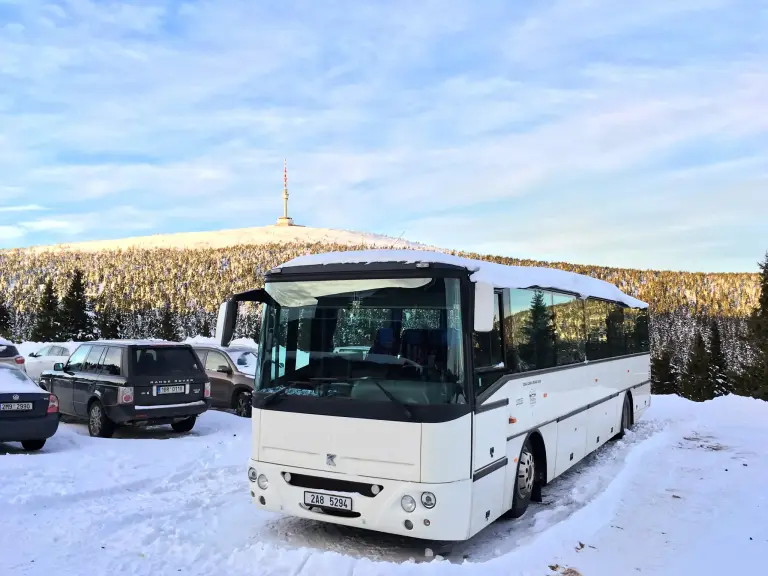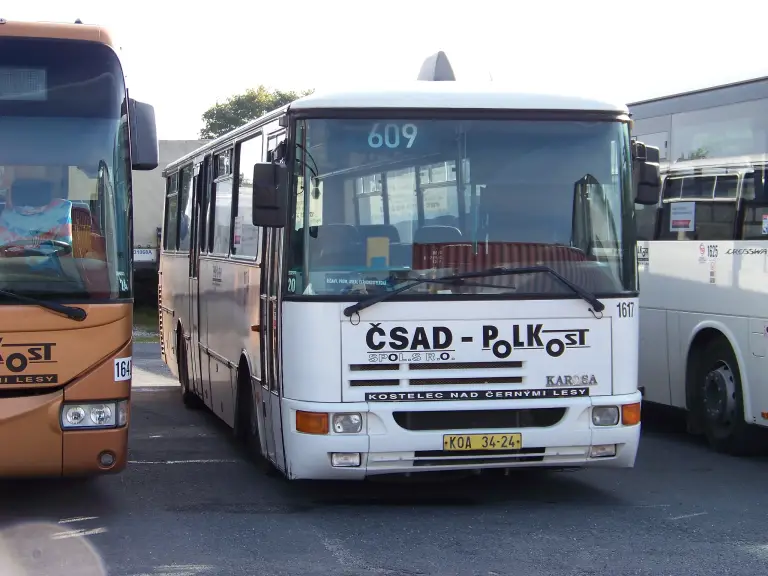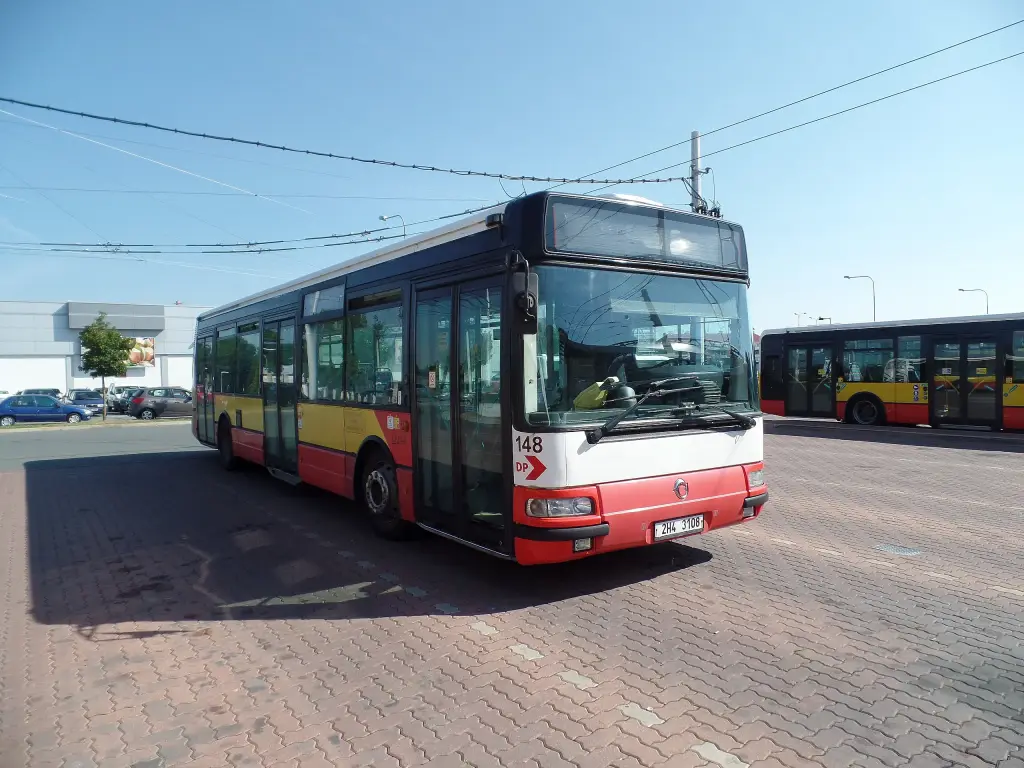
The Irisbus Citybus 12M was a low-floor city bus built at the Karosa works in Vysoké Mýto in cooperation with Renault. Sold in France as the Renault or Irisbus Agora S, it was the mainstay of the Irisbus range around the turn of the century.
Irisbus Citybus 12M at a glance
| Maker | Karosa, Vysoké Mýto, with Renault |
|---|---|
| Names | Renault Citybus 12M (1995–2001), Irisbus Citybus 12M, Agora S in France |
| Production | 1995–2005 (Karosa series from 1996) |
| Predecessor | Renault R 312 |
| Successor | Irisbus Citelis 12M |
| Platform | Renault CS.S, first used in 1994 |
| Doors | three double-leaf folding doors |
| Floor height | 320 mm at the first and second doors |
| Versions | 12M, articulated 18M, CNG |
| Built in total | 11,066 Citybus, Agora and trolleybus derivatives |
There is no English Wikipedia article on the Citybus; this page is based on the Czech article, with the English Citelis article used only for the successor.
History of the Irisbus Citybus 12M
The Citybus 12M was a two-axle low-floor bus with a semi-self-supporting body on the Renault CS.S platform, first used in 1994. At Karosa the body was bolted into a skeleton, protected against corrosion (from 2001 by cataphoretic dipping), painted and panelled. The frame was made of steel longitudinal members and cross pieces, the sides and roof of welded drawn closed profiles covered with sheet metal. The front end was formed of closed profiles under steel and plastic panels, while the rear end was a single glass-fibre panel. The engine and gearbox sat in the large rear section.
The windows were bonded, only the windscreen was held in rubber, and passengers boarded through three double-leaf folding doors. Space for a pram was opposite the second doors, which also contained a folding ramp, and the bus could be ordered with kneeling, tilting the body towards the kerb at stops. The floor at the first and second doors stood 320 mm above the road, while at the third door there was one step and a floor height of 550 mm. The interior had upholstered seats.
A Czech prototype with a distinctly different appearance was built in 1995, delivered to Prague a year later and operated there as car no. 3004 until April 2014. Serial production at Karosa began in 1996 and lasted until 2005, when the Citybus 12M was replaced by the Irisbus Citelis 12M. In 2001 the bus was updated with an Iveco engine; the step at the third door was removed, bringing the entry height there to 320 mm, and the space was filled with seats on a raised platform. Between 2004 and 2005 the interior was modernised with newly shaped grab rails, lighter beige instead of grey tones, fewer fluorescent lights and a Continental dashboard in place of the Renault one.
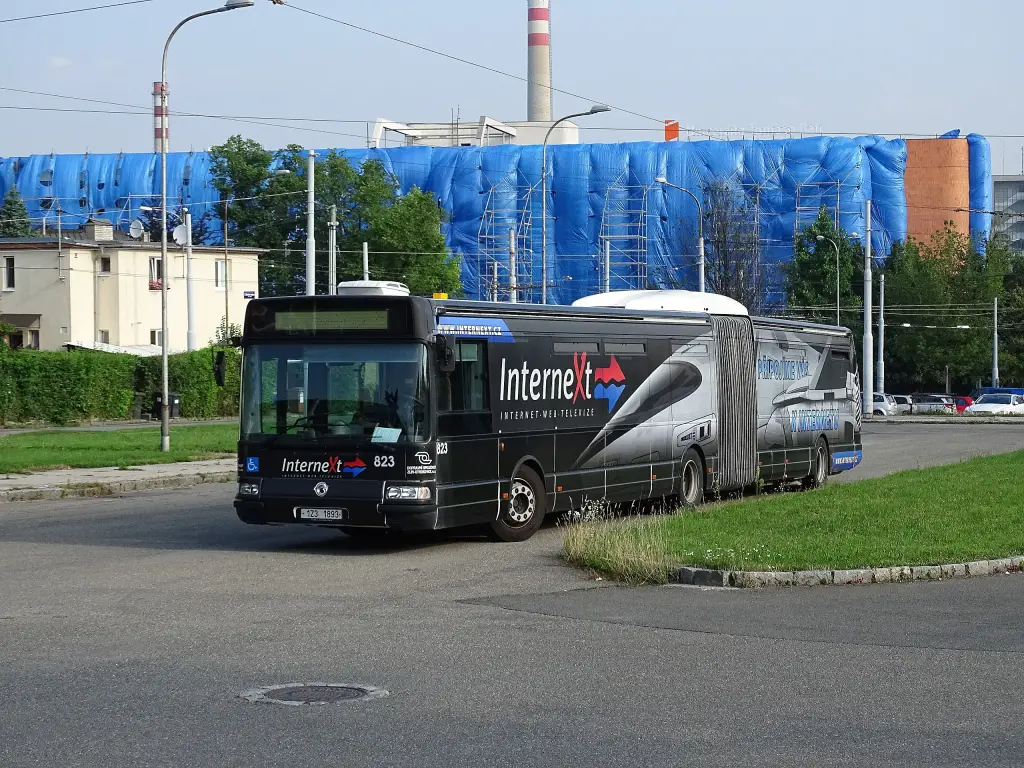
CNG and articulated 18M versions were also built. The Citybus bodies later served Škoda Electric for its first Škoda 24Tr and 25Tr trolleybuses, and the Znojmo company ČAS-service proposed an electric bus derived from the Škoda 21Eb but with a Citybus body. Including the 18M and Agora L, the Agora Line and the Agora, Škoda 24Tr and Škoda 25Tr trolleybuses, 11,066 vehicles were built, of which more than 500 were assembled at Karosa, mostly for the Czech and Slovak markets.
The Citybus was the central model of Irisbus in its day and ran mainly in France, the Czech Republic and some large cities elsewhere, including Berlin, Athens and many French cities. In the Czech Republic it served in Zlín and Pardubice and, in the past, in Prague, Brno, České Budějovice, Jablonec nad Nisou, Liberec, Hradec Králové, Ostrava, Opava, Plzeň, Ústí nad Labem and Děčín. In the second decade of the 21st century the remaining buses were being withdrawn because of their age, and a number are preserved as historic vehicles in Ostrava, Prague, Brno, Plzeň, Hradec Králové and Pardubice.
Design and features
- Renault platform: built on the CS.S chassis first used in 1994 and assembled at Karosa.
- Low floor: 320 mm entry at the first two doors and a kneeling option.
- Three doors: a folding ramp and pram space at the second doors.
- Long life: the body served as the basis for the Škoda 24Tr and 25Tr trolleybuses.
Irisbus Citybus 12M versions
- Citybus 12M: the standard two-axle bus.
- Citybus 18M / Agora L: the articulated version.
- CNG version: compressed natural gas buses.
- Agora S and Agora Line: the French-market names for the same bus.
- Škoda 24Tr and 25Tr: trolleybuses using the Citybus body.
The Citybus was replaced by the Irisbus Citelis and belongs to the same Vysoké Mýto story as the C 956 Axer. More are in the Karosa collection.
Video: Renault Karosa Citybus Praha MHD linka 109
Video on YouTube.
Sources
- Irisbus Citybus 12M, Czech Wikipedia: construction, versions, production, operators, survivors
- Irisbus Citelis, English Wikipedia: the successor that ended Citybus production