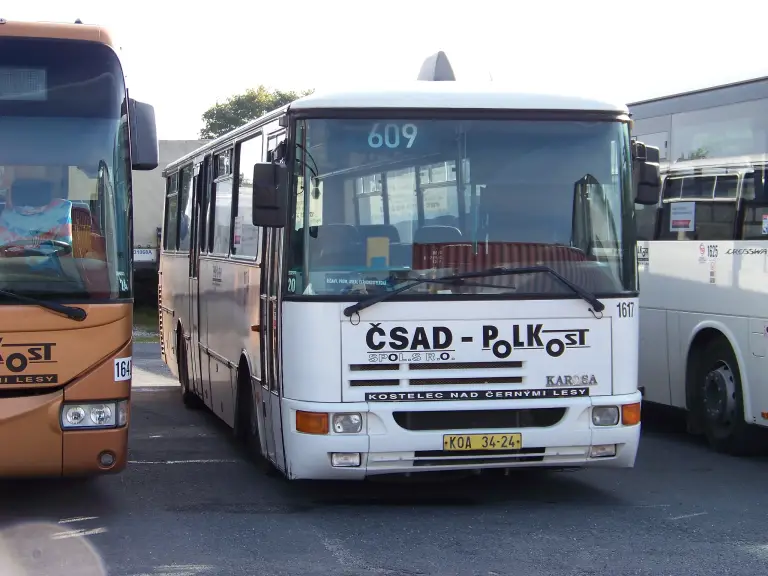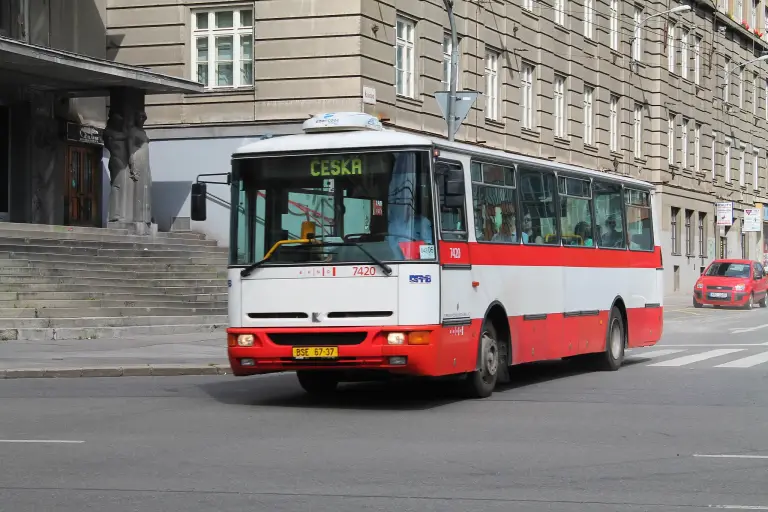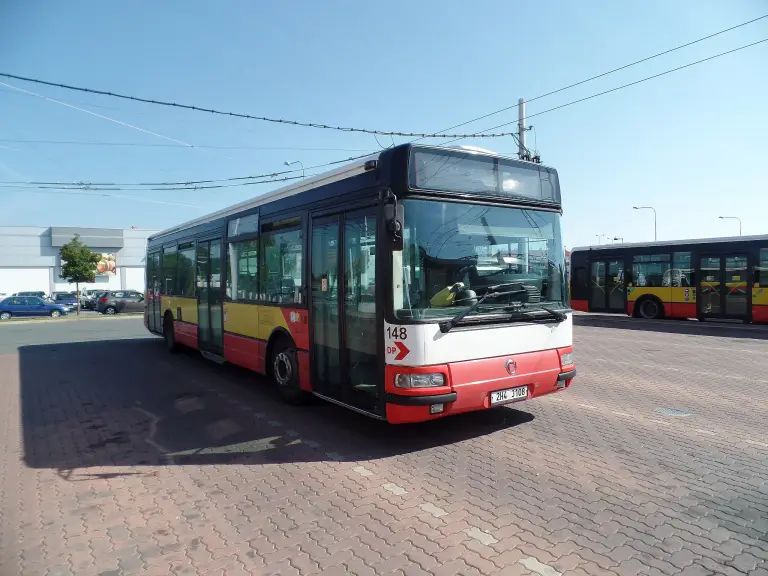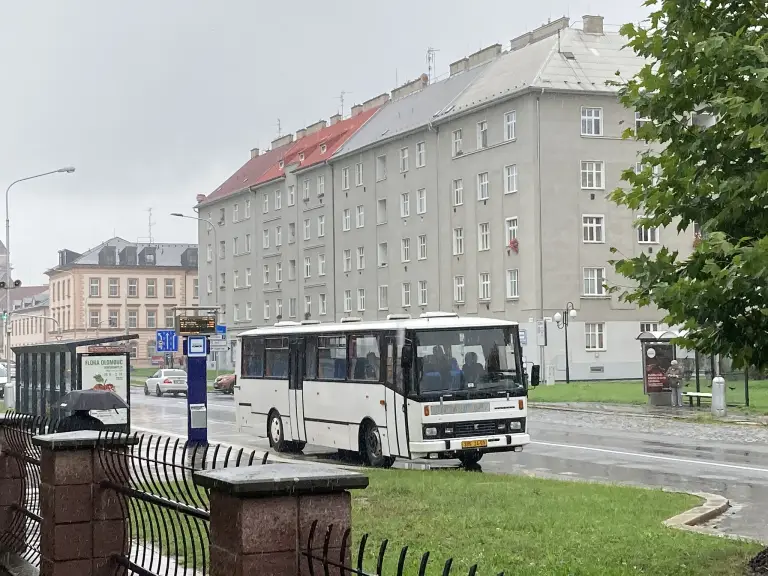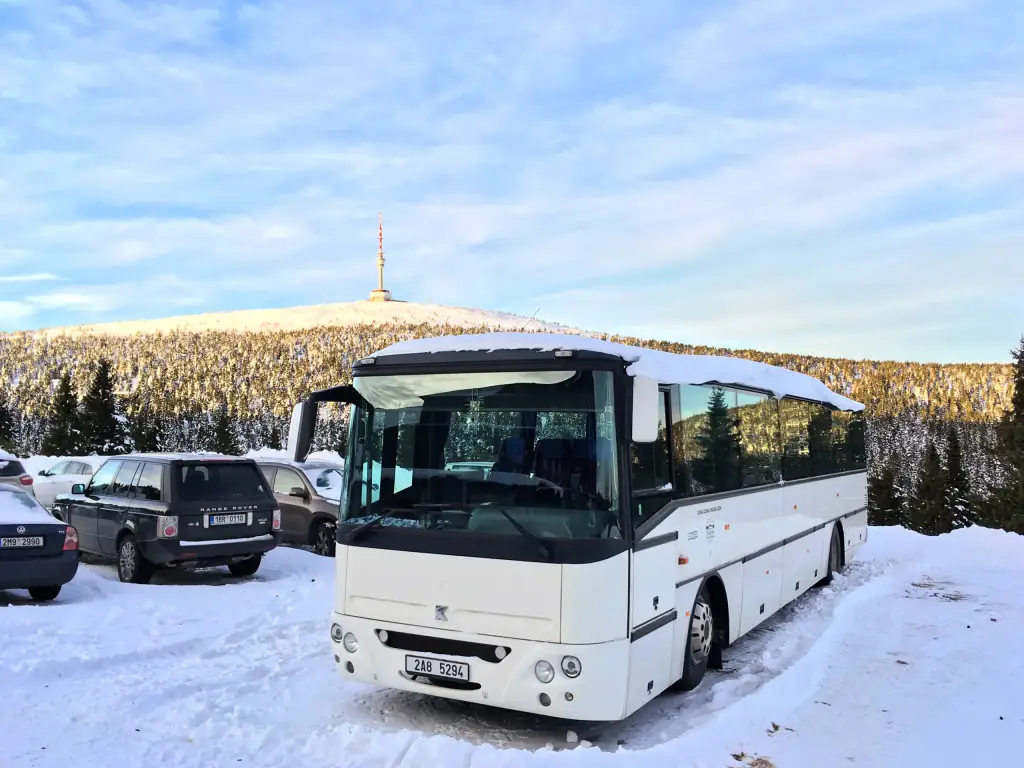
The Karosa C 956, better known by its sales name Axer, was the last intercity bus from the Karosa works in Vysoké Mýto. Made from 2002 to 2006, it bridged the gap between the C 954 intercity bus and the LC 956 coach.
Karosa C 956 Axer at a glance
| Maker | Karosa, Vysoké Mýto, Czech Republic |
|---|---|
| Sales name | Axer |
| Production | 2002–2006 |
| Series | Karosa 900 |
| Predecessor | Karosa C 955 |
| Successor | Irisbus Arway |
| Lengths | 12 m and 12.8 m |
| Engine | rear-mounted, manual gearbox, Meritor rear axle |
| Doors | two double-leaf doors, single-leaf on request |
| Luggage hold | 6.5 m³ (12M) or 7.65 m³ (12.8M) |
| Seating | 2 + 2, high folding padded seats on a raised platform |
| Built | 2,435 |
History of the Karosa C 956 Axer
The C 956 continued the line of the C 955, from which it differed mainly by a modified plastic front bumper with round lights; the rear end was identical and flat. The body was assembled as a skeleton, dipped, painted and panelled before the fittings went in. The engine and manual gearbox lay behind the rear axle, which came from Meritor, with an RI front axle, and both axles used air suspension. Two double-leaf doors sat on the right, the first ahead of the front axle and the second ahead of the rear axle; single-leaf doors were available on request.
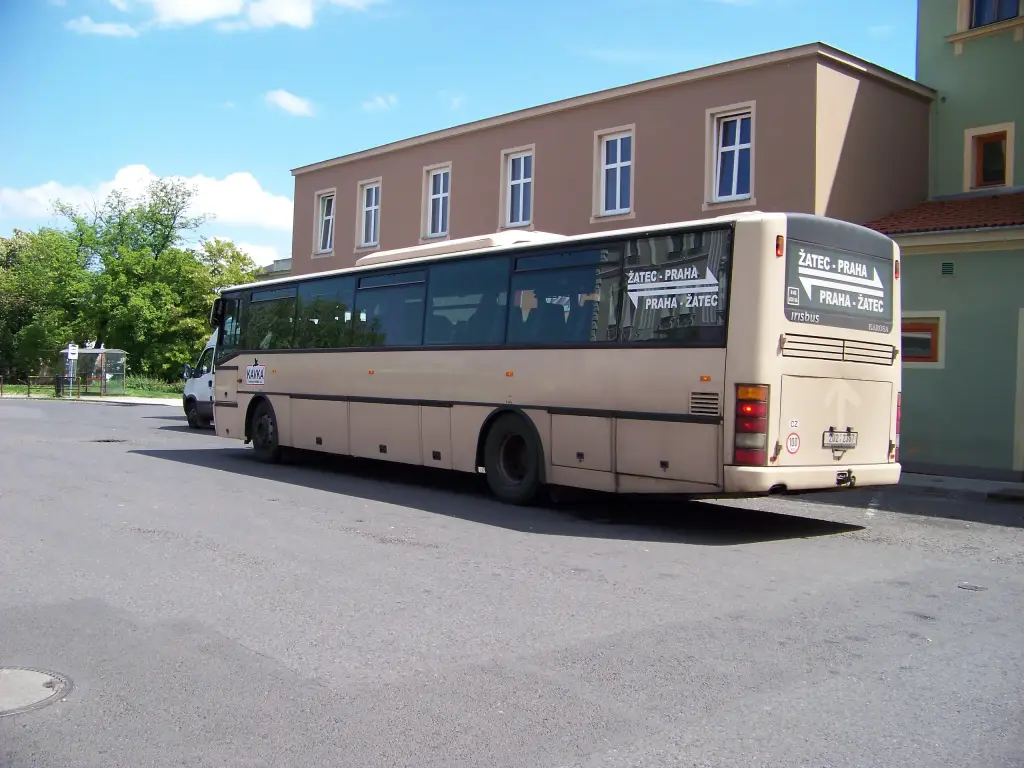
Passengers were given high, folding and padded seats in a 2 + 2 layout with a central aisle on a raised platform, which left 6.5 m³ of luggage space under the floor in the 12M version and 7.65 m³ in the 12.8M. The latest Axers had two- or three-point belts on every seat, while earlier buses had them as an option and only the front seats, the middle seat in the last row and the double seat by the rear doors were fitted as standard. Depending on the customer the bus came with heating only or with air conditioning, and could be ordered with a coffee maker, a television with video or DVD player or a refrigerator. The driver had a heated seat with a three-point belt. A curiosity of the design is that it used the complete front headlights developed in 1988 for BMW cars.
Serial production began in 2002 and ended in 2006, after the standard C 955 had been discontinued (the school bus version, the Karosa Récréo, was built for longer). In total 2,435 C 956 buses were made. The model was a middle type between the classic intercity C 954 and the luxury touring LC 956, intended for longer intercity lines and shorter excursions. In production it was replaced by the Irisbus Arway.
An upgraded version, the C 956 E, was launched in 2003. The Axer carried the Karosa name into the Irisbus era and was sold in France and elsewhere under the Irisbus Axer badge, which is how many of the surviving buses are known today.
Design and features
- Two lengths: 12 m and 12.8 m, with luggage holds of 6.5 and 7.65 m³.
- Coach-style interior: high folding seats on a raised platform, with a coffee maker, TV or fridge on request.
- BMW headlights: the front lamps were originally developed for BMW cars in 1988.
- Galvanised body: a dipped skeleton with galvanised, painted panels.
Karosa C 956 Axer versions
- C 956 12M: the standard 12-metre bus with a 6.5 m³ hold.
- C 956 12.8M: the longer version with a 7.65 m³ hold.
- C 956 E: upgraded version from 2003.
- Irisbus Axer: the same bus sold under the Irisbus badge, mainly in France.
The Axer replaced the C 934 and was the last Karosa intercity model before the Irisbus Arway; the city side of the same generation is covered by the Citelis. More are in the Karosa collection.
Video: Karosa Axer ČSAD Polkost ev. č. 1635
Video on YouTube.
Sources
- Karosa C 956, English Wikipedia: construction, equipment, production years
- Karosa C 956, Czech Wikipedia: Axer name, versions, production total, successor