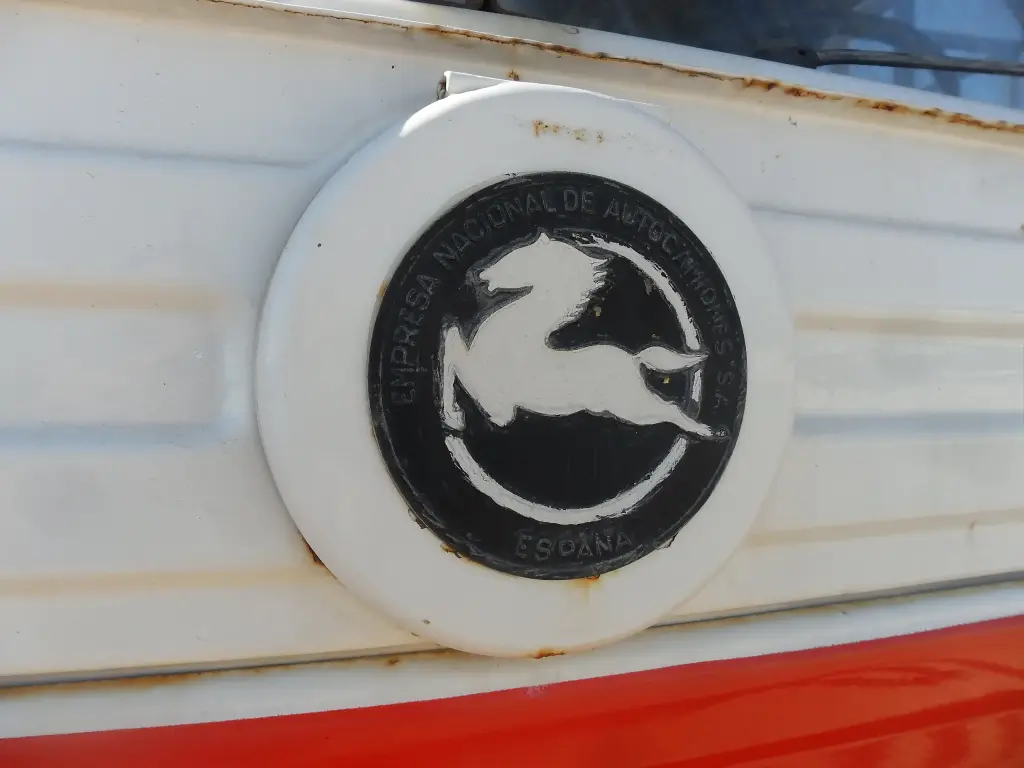
Pegaso was a Spanish maker of lorries, buses, tractors and armoured vehicles, and for a while of sports cars. Its parent company Enasa was set up in 1946 in the old Hispano-Suiza factory under the engineer Wifredo Ricart. In 1990 Iveco took over Enasa and Pegaso became a secondary Iveco brand.
Iveco Pegaso at a glance
| Parent company | Enasa, founded in 1946 |
|---|---|
| Base | the former Hispano-Suiza works in Barcelona |
| Chief engineer | Wifredo Ricart |
| Factories | Barcelona, Madrid and Valladolid |
| Vehicles built | more than 350,000 between 1946 and 1990 |
| Best year | 1974, with over 26,000 vehicles |
| Main export markets | Benelux, Venezuela and Cuba |
| Joined Iveco | 1990, when Iveco took over Enasa |
| First lorry | Pegaso I of 1946, based on the Hispano-Fiat 66G |
| Famous nickname | Mofletes for the 1949 Pegaso Diesel |
| Sports car | Z-102 of the 1950s, 249 km/h |
History of the Iveco Pegaso
Enasa was a state-owned company whose main business was lorries and buses, and Pegaso became one of the leading industrial vehicle makers of Europe, exporting widely to Europe and Latin America. The Benelux countries, Venezuela and Cuba were its main foreign markets, and in the late 1970s it signed a substantial contract to supply tactical lorries to the Egyptian army.
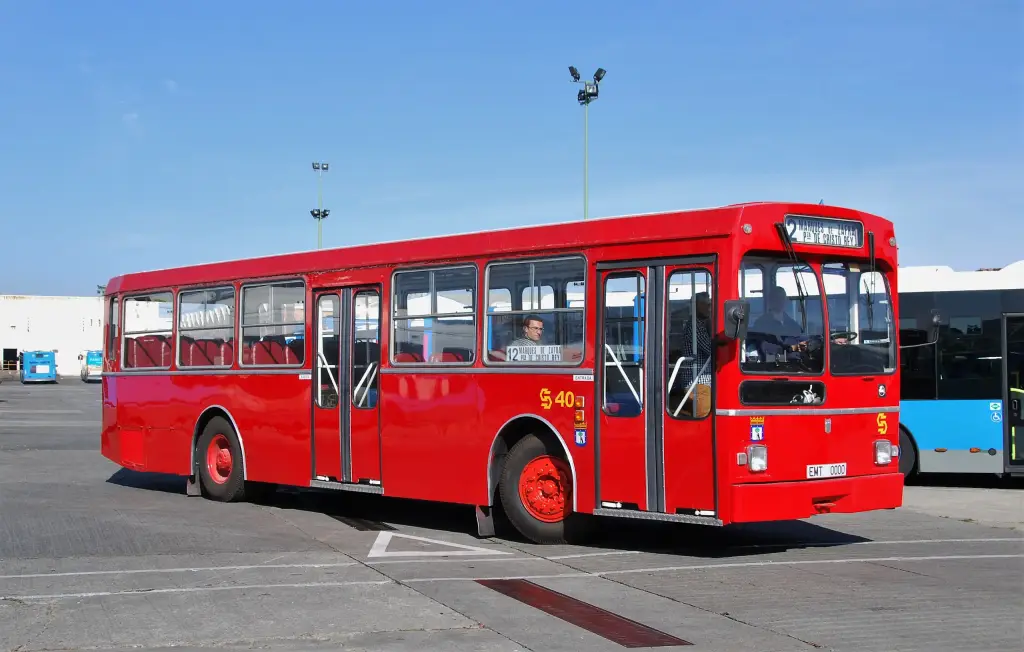
The first Enasa lorry was the Pegaso I of 1946 and 1947, a slightly modified Hispano-Fiat 66G of which only a few were made because of post-war shortages. An improved petrol-engined Pegaso II, the Z-203, arrived late in 1947, and in 1949 came the 125 hp Pegaso Diesel, the Z-202, nicknamed Mofletes or chubby cheeks for its bulbous front, which quickly led the still weak Spanish market. Tractor, road train and coach versions followed, and together they were advertised as El camión español, the Spanish lorry.
In the 1950s Pegaso built about a hundred Z-102 sports cars with a rear transaxle and all-aluminium twin-cam engines, the fastest production car of 1953 at 249 km/h. The Z-207 lorry of 1955 to 1959 had a V6 engine and a corrugated-sheet cab that became a familiar sight on Spanish roads, and the Z-403 Monocasco of 1951 to 1957 was a two-level coach without a separate chassis. There were also the Z-404 coach, the Z-501 trolleybus and, from 1957, crawler tractors built at the Sagrera works in Barcelona.
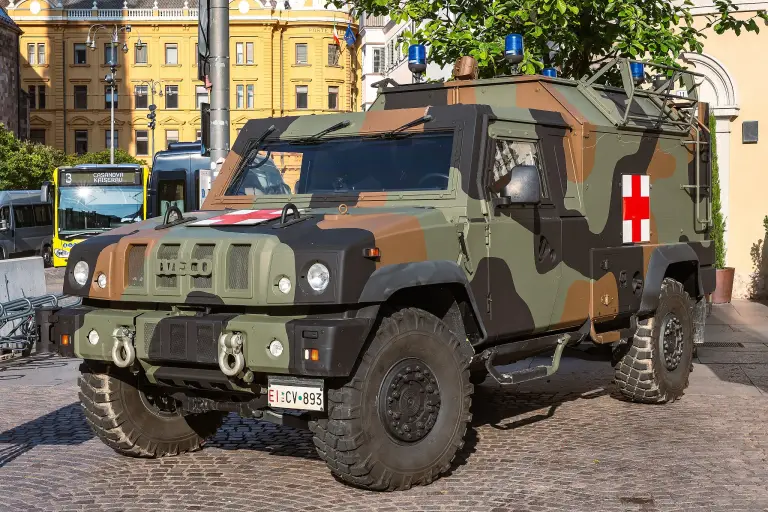
In the 1960s and 1970s Pegaso grew with the Spanish economy. Its flagship was the 2011 tractor unit for semi-trailers, and the range ran from 8×4 rigids and 6×4 tractors to 6×6 site dumpers, armoured military vehicles, a five-axle 10×4 conversion for the Dutch market and three-axle articulated buses, all with Pegaso engines of up to 352 hp. In 1990 Iveco took over Enasa and the Pegaso name became a secondary brand of Iveco.
Design and features
- Spanish national lorry: the El camión español of the post-war years.
- Own engines: diesels from the 125 hp Mofletes to units of 352 hp.
- Wide range: lorries, buses, trolleybuses, tractors and armoured vehicles.
- Sports cars too: the Z-102 of the 1950s reached 249 km/h.
Iveco Pegaso versions
- Pegaso I (1946–1947): the first Enasa lorry, based on the Hispano-Fiat 66G.
- Pegaso II Z-203 (1947): improved petrol-engined model.
- Pegaso Diesel Z-202 (1949): the 125 hp Mofletes.
- Z-207 (1955–1959): V6 lorry with a corrugated cab.
- Z-102: the 1950s sports car.
- 2011 tractor: the flagship of the 1960s and 1970s.
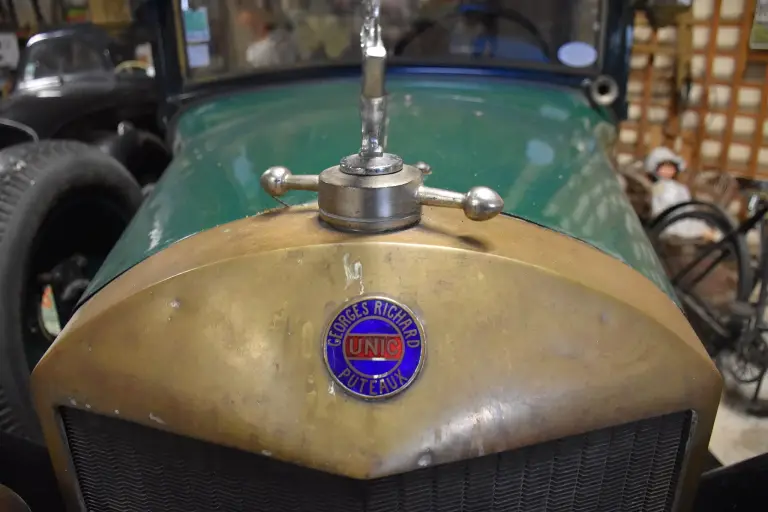
Pegaso joined Iveco in 1990, the same group that already owned Magirus and Unic, and its lorries shared the roads with the Daily. More Iveco vehicles are in the Iveco collection.
Sources
- Pegaso, English Wikipedia: history, models, production, Iveco takeover