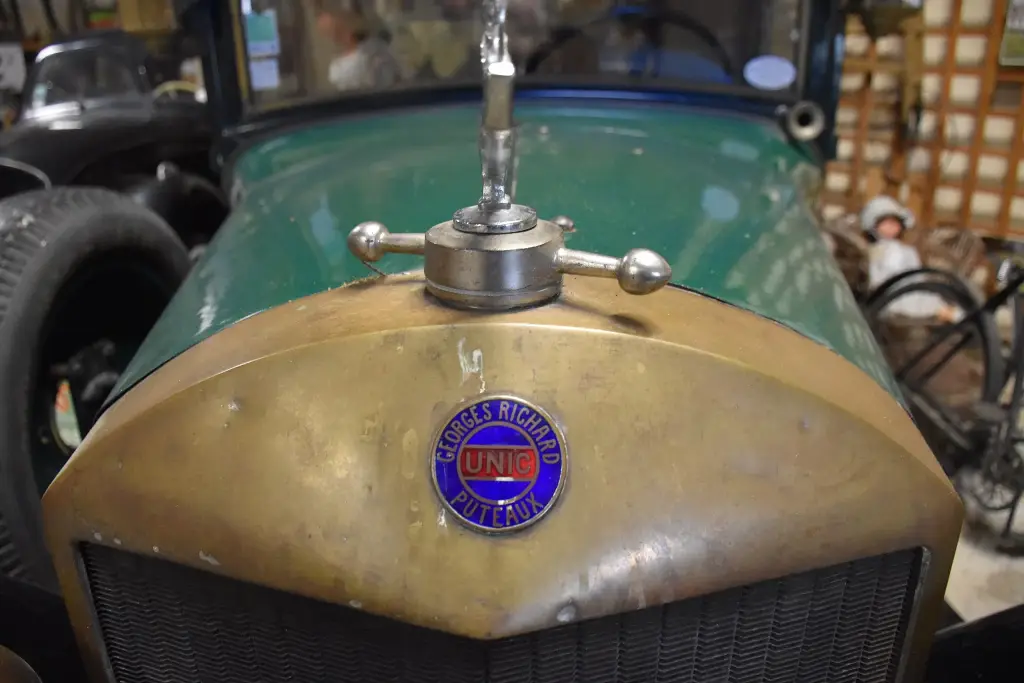
Unic was a French manufacturer founded in 1905, active as a car maker until July 1938 and afterwards as a builder of commercial vehicles. It kept its independence for fourteen more years before being bought in 1952 by Henri Pigozzi, who wanted it as the commercial vehicle arm of Simca. In 1975 Unic became one of the five brands that formed Iveco.
Iveco Unic at a glance
| Founded | 1905, by Georges Richard |
|---|---|
| Backer | Baron Henri de Rothschild |
| Base | Puteaux, France |
| Cars until | July 1938 |
| First lorry | the MSC three-tonner of 1922 |
| Bought by | Henri Pigozzi in 1952, for Simca |
| Joined Iveco | 1 January 1975, as one of five founding brands |
| Other founders | Fiat Veicoli Industriali, OM, Lancia Veicoli Speciali and Magirus-Deutz |
| Unic in the Iveco years | the Daily was sold as the Unic Daily in France |
| Bodies | Letourneur et Marchand and its subsidiary Autobineau |
History of the Iveco Unic
Unic was founded by Georges Richard after he left Richard-Braber, when in 1905 he met the financier Baron Henri de Rothschild and obtained the money for a company, the société anonyme des automobiles Unic, based at Puteaux. The aim was to build unique rather than mainstream vehicles, and at the start the firm made only light cars and taxis with two- and four-cylinder engines. The taxi business stayed important for more than three decades, and Rothschild’s steady support gave the company stability in hard times.
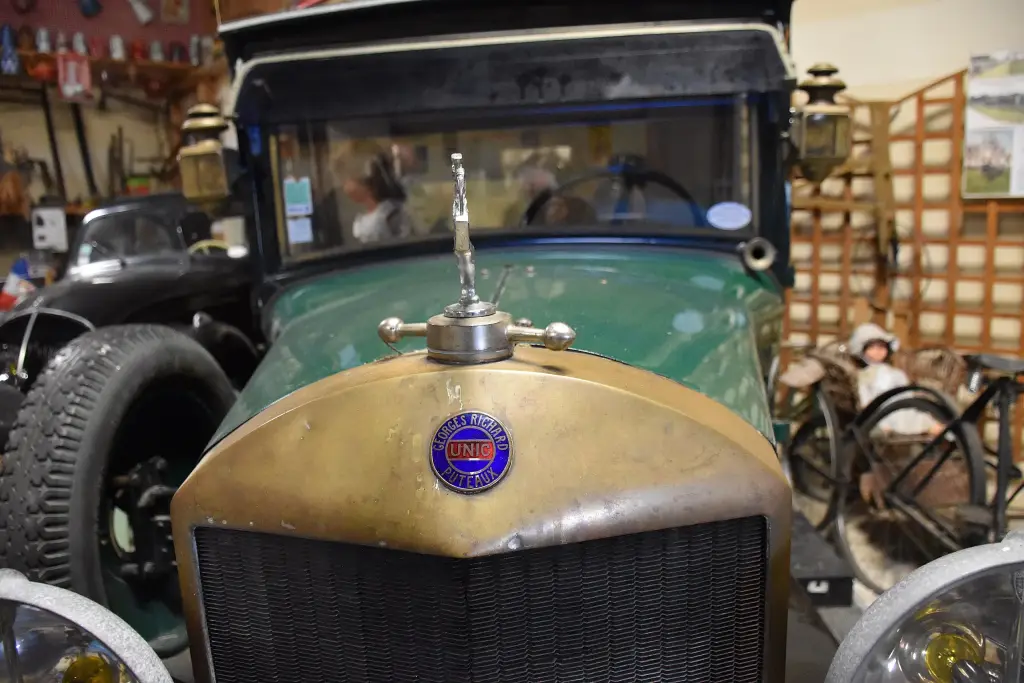
The popularity of its taxis led Unic into delivery vans and small utility vehicles, and the 1,943 cc four-cylinder model used mainly as a taxi stayed in production for nearly twenty years, its engine later enlarged to 2,120 cc. During the First World War Unic taxis took part in the Marne operation. In 1922 the firm introduced a three-ton lorry, the Unic MSC, which began the move towards larger commercial vehicles; that same year Georges Richard died after a motor accident on the road to Rouen, and Georges Dubois, until then in charge of testing, took over the business.
In the 1920s and 1930s Unic built a range of four- and eight-cylinder cars. The Type H1 of 1928 had a 2.5-litre straight eight and a 3,460 mm wheelbase, and grew into the Type H3 of 1933 with a 2,646 cc engine. For 1934 came the Type U4 with a two-litre side-valve engine and a four-speed gearbox, and in 1937 the range was down to the four-cylinder Type U4D of 55 hp and the six-cylinder Type U6C of 85 hp with a Cotal preselector gearbox. Buyers valued the cars for reliability and for elegant, roomy bodies, most of them from Letourneur et Marchand or its subsidiary Autobineau. Car production ended in July 1938.
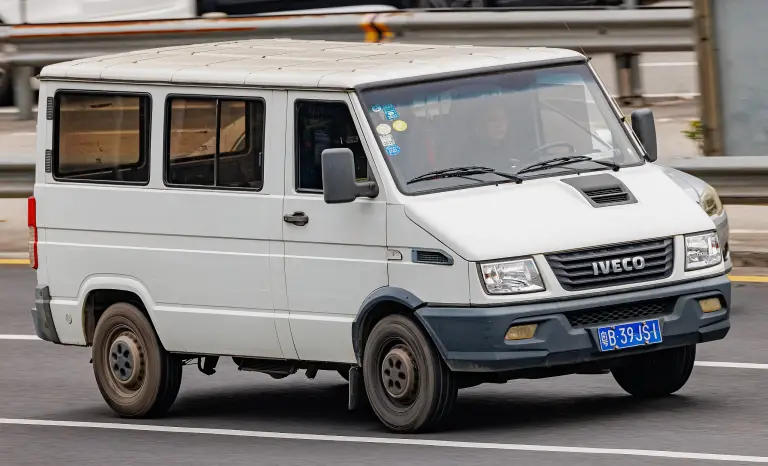
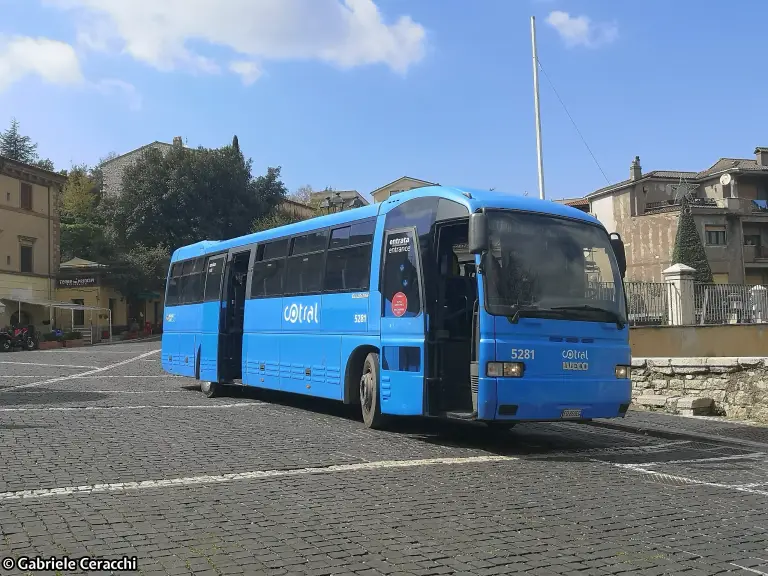
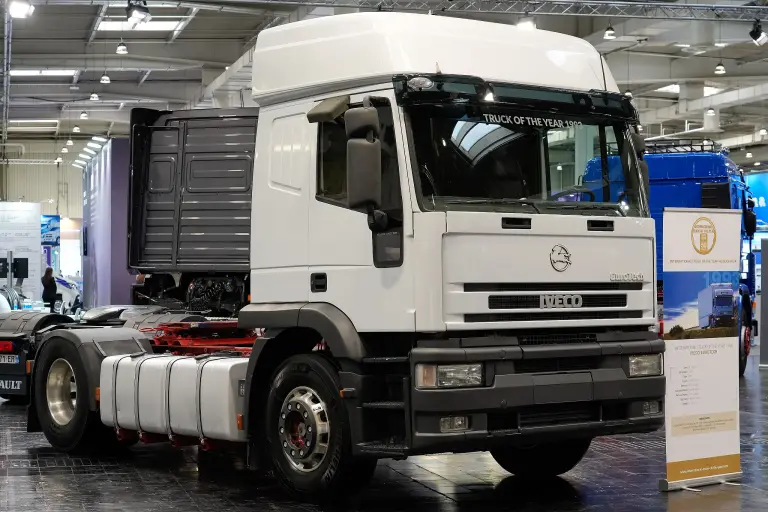
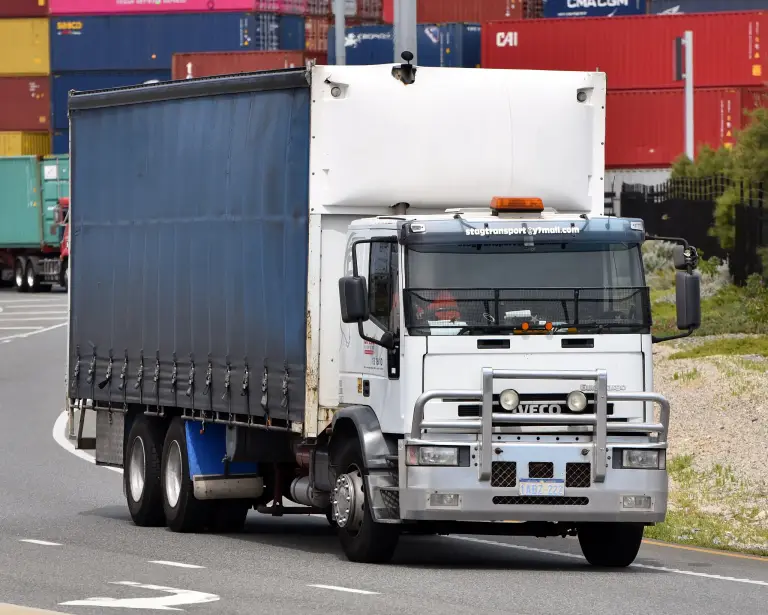
After the war Unic concentrated on commercial vehicles, and in 1952 Henri Pigozzi bought the company to develop it as the commercial vehicle arm of Simca. On 1 January 1975 Unic became one of the five brands merged to create Iveco, together with Fiat Veicoli Industriali, OM, Lancia Veicoli Speciali and Magirus-Deutz. Under Iveco the French network sold the Daily as the Unic Daily, and Unic-badged versions of Iveco buses and lorries appeared in France.
Design and features
- Paris taxis: the business that made Unic known for three decades.
- From cars to lorries: car production until 1938, lorries afterwards.
- Simca ownership: bought in 1952 as Simca’s commercial vehicle arm.
- Iveco founder: one of the five brands merged on 1 January 1975.
Iveco Unic versions
- Unic MSC (1922): the first three-ton lorry.
- Type H1 and H3: straight-eight cars of 1928 and 1933.
- Type U4 and U4D: four-cylinder cars of the 1930s.
- Type U6C: six-cylinder car with a Cotal preselector gearbox.
- Unic Daily: the French-badged Iveco van of the 1970s and 1980s.
Unic joined Magirus, Fiat and OM in the new Iveco in 1975, and its French dealers sold the Daily. More Iveco vehicles are in the Iveco collection.
Sources
- Unic, English Wikipedia: founding, taxis, cars, lorries, Simca
- Iveco, English Wikipedia: the five founding brands of 1975
- Iveco Daily, English Wikipedia: the Unic Daily in France