VESPA
9 entries
The Italian scooter that put post-war Italy on wheels, built by Piaggio in Pontedera since 1946 and named for the wasp.
- Patent
- 23 April 1946
- Maker
- Piaggio, Pontedera
- First engine
- 98 cc two-stroke, three speeds
- Name
- Italian for “wasp”
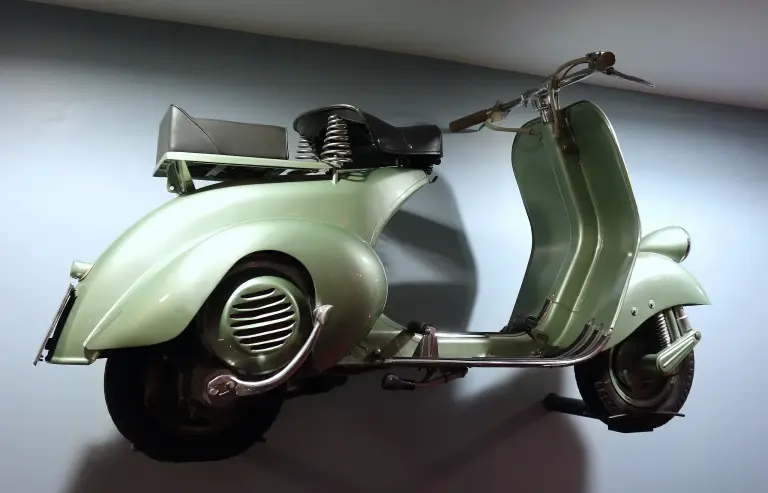
After the Second World War Piaggio’s Pontedera aircraft plant lay in ruins and Italy’s roads and economy were in a poor state. Enrico Piaggio decided to leave aeronautics and build a modern, affordable vehicle for the masses. In 1944 the engineers Renzo Spolti and Vittorio Casini designed the MP5, nicknamed Paperino (Donald Duck), but Piaggio disliked its tall central section and hired the aeronautical engineer Corradino D’Ascanio, who hated motorcycles and redesigned it as the MP6. Seeing it, Enrico Piaggio exclaimed “Sembra una vespa!” (it looks like a wasp), and the scooter was named on the spot.
Piaggio took out the patent on 23 April 1946. The Vespa had a pressed steel body with a unit frame that enclosed the engine and kept dirt away, a flat floor, a front fairing against wind and rain, 8-inch wheels, and a 98 cc two-stroke engine acting directly on the rear wheel through a three-speed transmission, with no chain. From a single model it grew into a full line of scooters and mopeds, and Vespa is one of seven companies owned by Piaggio today.
- 1944MP5 “Paperino” prototype
- 1946Patent filed for the Vespa
- 2024Piaggio’s 140th anniversary edition
-
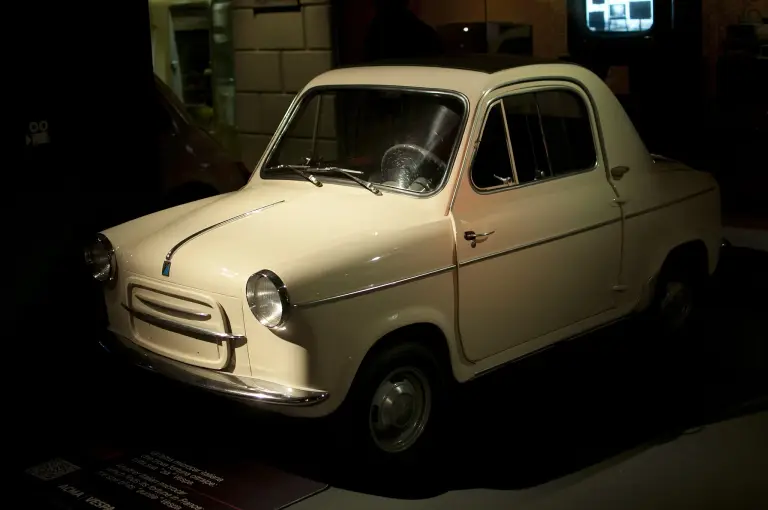 VESPA Vespa 400: the scooter maker’s microcar
-
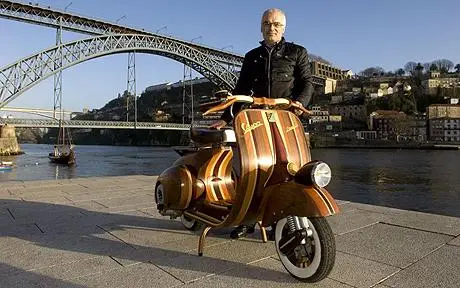 VESPA Vespa Ape: the three-wheeled Vespa
-
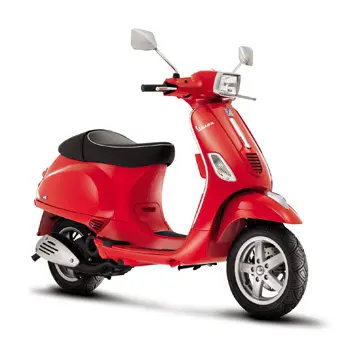 VESPA Piaggio Porter: the four-wheeled Piaggio van
-
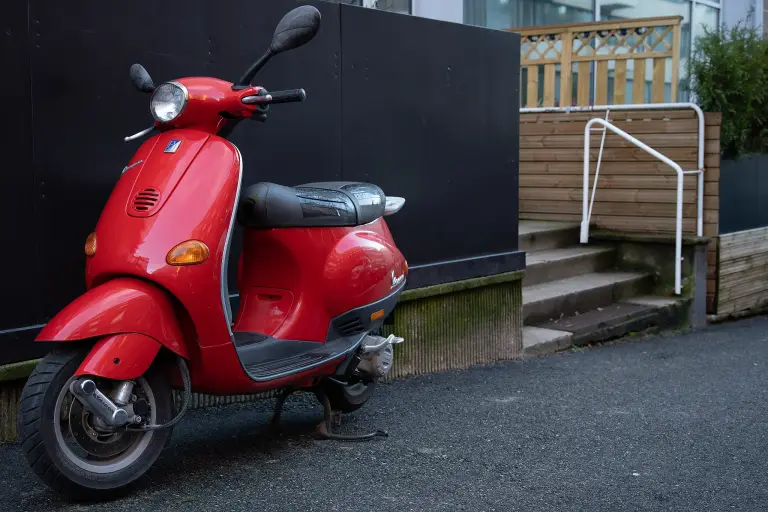 VESPA Vespa ET: the modern Vespa returns
-
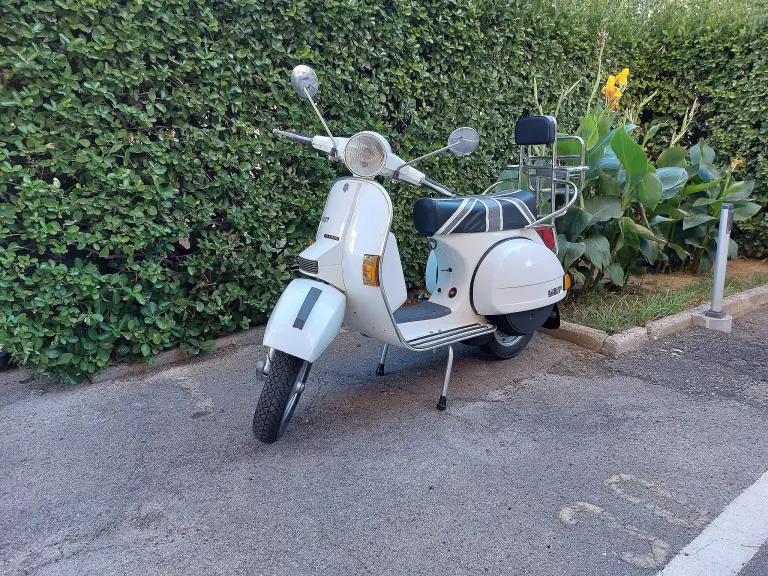 VESPA Vespa PX: the last classic Vespa
-
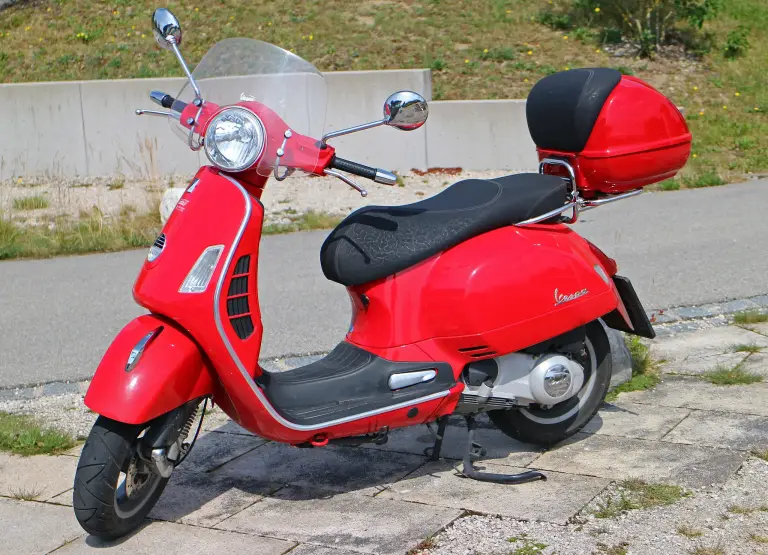 VESPA Vespa GTS: the Granturismo range
-
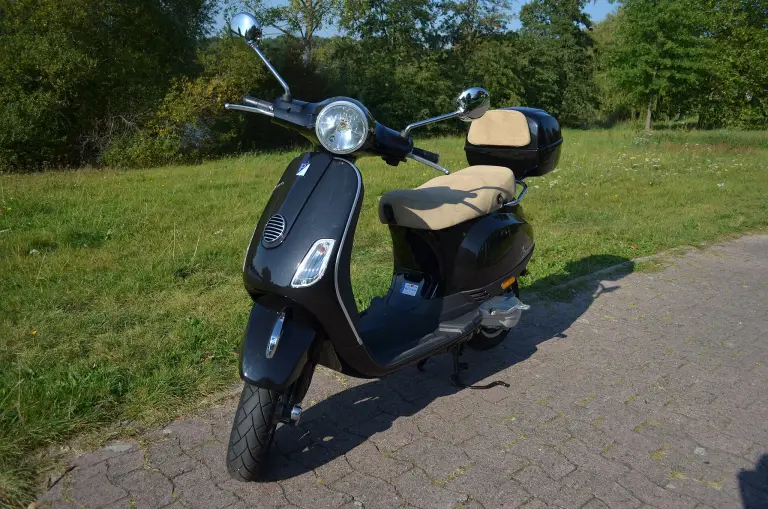 VESPA Vespa LX, LXV and S: the 2005 range
-
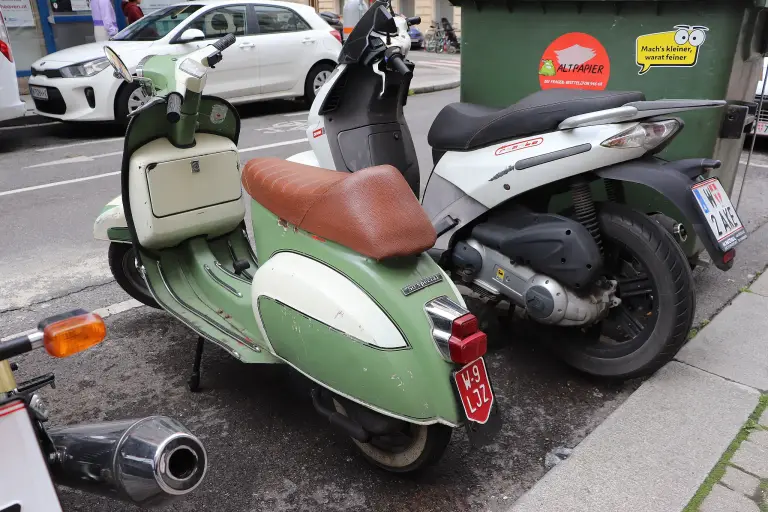 VESPA Vespa 50 Special: the smallframe of the 1970s
-
 VESPA Vespa 125 and the classic largeframe