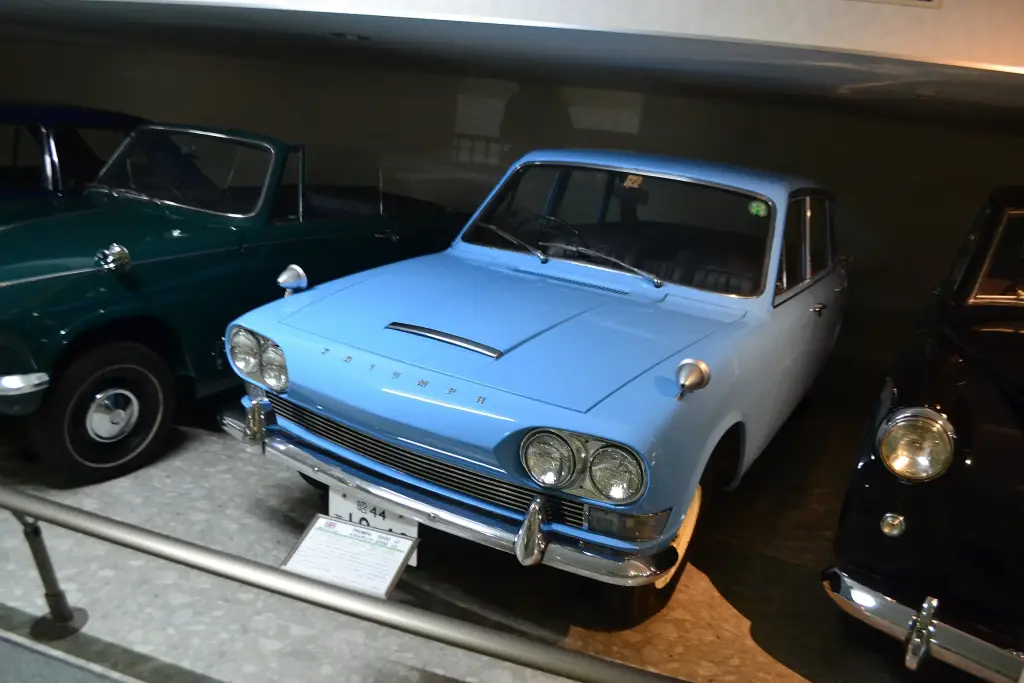
The Triumph 2000 was an upper-middle-class saloon built in Coventry from 1963 to 1977. Its straight-six engine and all-independent suspension made it a serious rival to the Rover 2000, and the range grew through the 2.5 PI, 2500 TC and 2500 S before the Rover SD1 replaced it.
Triumph 2000 at a glance
| Maker | Triumph Motor Company, Coventry |
|---|---|
| Production | 1963–1977 |
| Rival | Rover 2000 |
| Engine | 1998 cc straight-six, 90 bhp at 5000 rpm |
| Gearbox | four-speed manual with optional overdrive, or three-speed automatic |
| Suspension | independent all round, coil springs |
| Brakes | discs front, drums rear, servo-assisted |
| Turning circle | 9.5 m |
| Boot | 410 litres |
| 2.5 PI | 2498 cc, 132 bhp, Lucas mechanical injection (1968) |
| 2500 TC | twin carburettors instead of injection |
| Built | 120,645 (2000 Mk I), 104,580 (2000 Mk II) |
Figures and dates are taken from the English and German Wikipedia articles on the 2000/2500 range.
History of the Triumph 2000
1963: the Mark I
The 2000 arrived in 1963 as Triumph’s rival to the Rover 2000. Under the bonnet was the same 1998 cc six-cylinder engine that Standard had put in the Vanguard from 1961, here giving 90 bhp at 5000 rpm. The car had independent suspension all round, with double wishbones at the front and semi-trailing arms at the back, disc brakes at the front and a 9.5 m turning circle. An estate version followed in 1965, its body partly built by Carbodies and, in Mark I form, exactly as long as the saloon.
1968: the 2.5 PI
The 2.5 PI of 1968 enlarged the engine to 2498 cc and added a Lucas mechanical fuel-injection system, raising output to 132 bhp at 5450 rpm. Performance was excellent, but the PI models, like the TR6 that shared the system, gained a reputation for unreliability and heavy fuel consumption. In Australia the electric fuel pump, built around a modified windscreen-wiper motor, overheated in summer at injection pressures above 7.6 bar, causing vapour locks until it cooled. Only 9,029 2.5 PI Mark Is were built against 120,645 of the 2000 Mark I.
1969: the Mark II
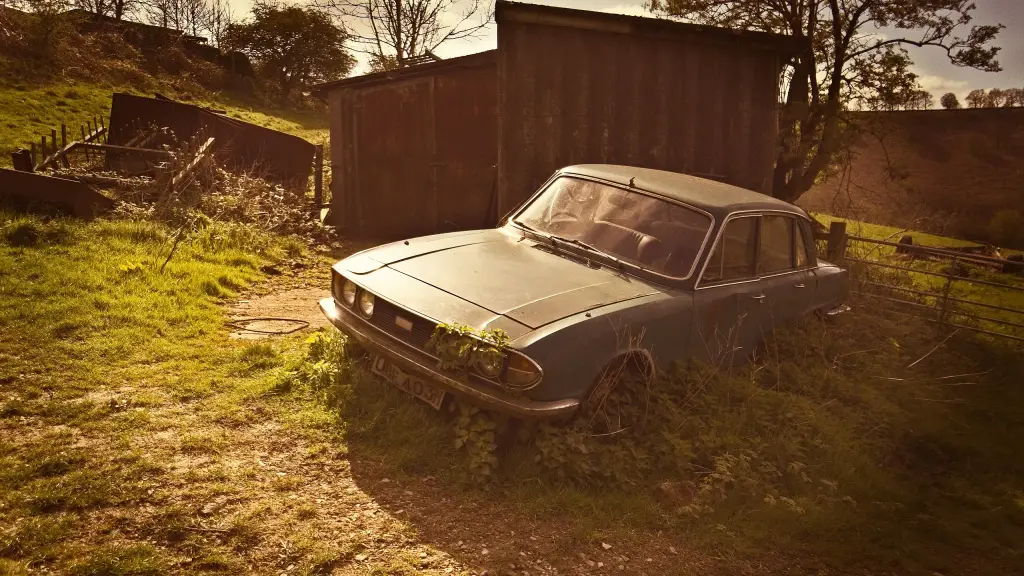
A Mark II followed in October 1969, styled in the manner of the Stag. The range now ran from the basic 2000 through the 2.5 PI to the 2500 TC, whose name stood for twin carburettors — Stromberg or SU units in place of injection. The Mark II estate was 125 mm shorter than the saloon because its rear bodywork was carried over unchanged from the Mark I. Production figures were 104,580 for the 2000 Mark II and 49,742 for the 2.5 PI Mark II.
1975–1977: 2500 S and the end
In June 1975 the 2500 S replaced the 2.5 PI, which had already disappeared from showrooms two months earlier, ending injection in the range. The 2500 S had 14-inch wheels and an anti-roll bar, and was praised for better roadholding and acceleration than the PI at a lower price. The last big Triumph went out of production in 1977 and was replaced by the Rover SD1, whose six-cylinder engines were themselves derived from the Triumph unit. Some cars were still registered new in New Zealand in 1979, and prime minister Robert Muldoon privately drove a 2500 S.
Design and features
- Straight-six engine — the 1998 cc unit from the Standard Vanguard, smooth and long-lived.
- All-independent suspension — double wishbones front, semi-trailing arms rear, with a tight 9.5 m turning circle.
- 2.5 PI injection — 132 bhp from Lucas mechanical injection, quick but thirsty and temperamental.
- Estate option — from 1965, with a Carbodies-built body.
Triumph 2000 versions
- 2000 Mk I (1963–1969): 1998 cc, 90 bhp, saloon and estate.
- 2.5 PI Mk I (1968–1969): 2498 cc injection, 132 bhp.
- 2000 Mk II (1969–1977): restyled body in the manner of the Stag.
- 2500 TC: twin carburettors instead of fuel injection; 32,492 built.
- 2500 S (1975–1977): 14-inch wheels and anti-roll bar; 8,164 built.
The same six-cylinder engine and injection system went into the TR5 and TR6, and the car was replaced by the Rover SD1. More cars are in the Triumph collection.
Sources
- Triumph 2000, English Wikipedia: range, engines, production figures
- Triumph 2000, German Wikipedia: suspension, 2.5 PI details, 2500 S, production figures