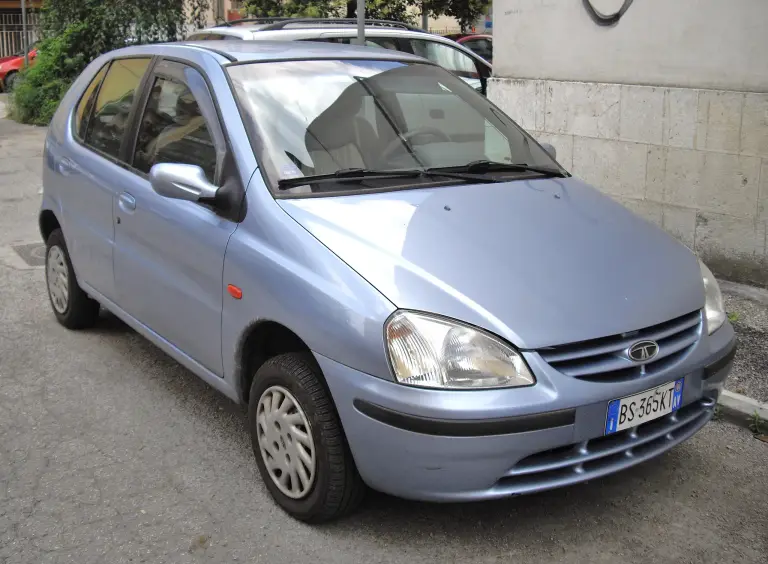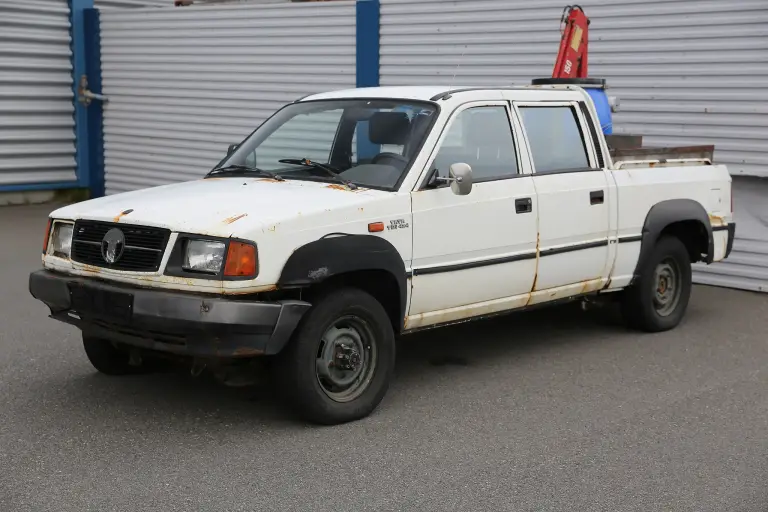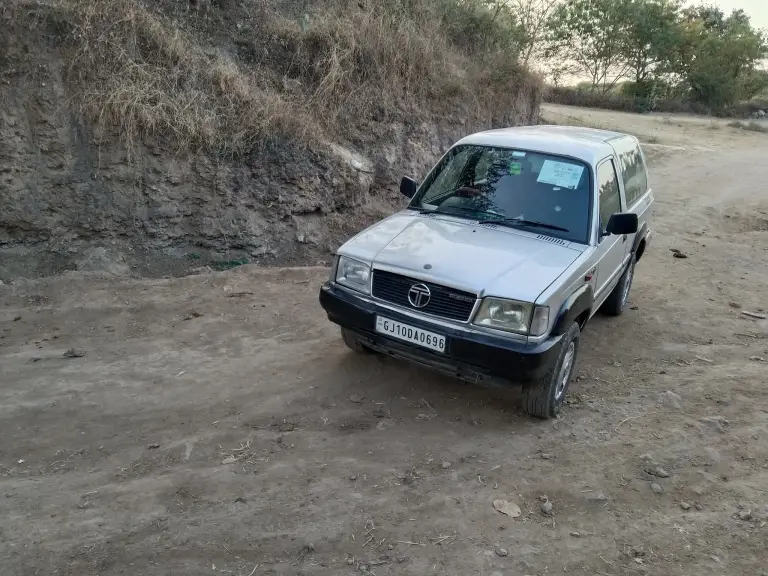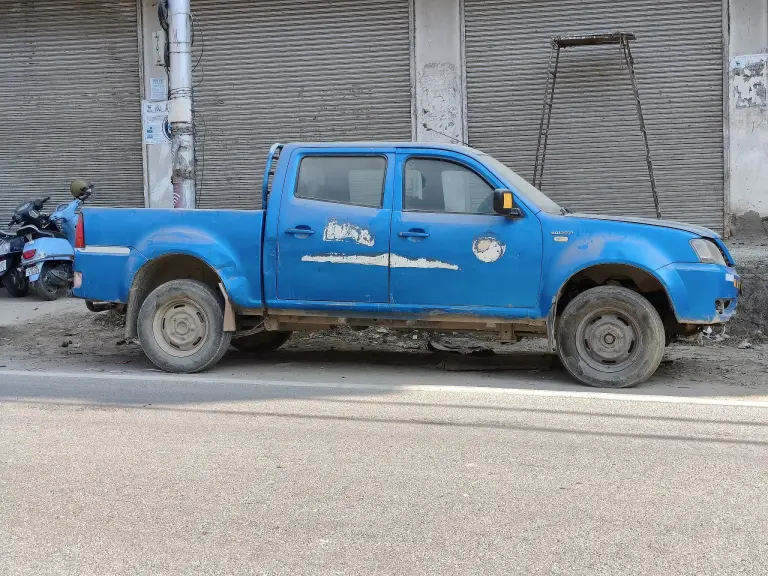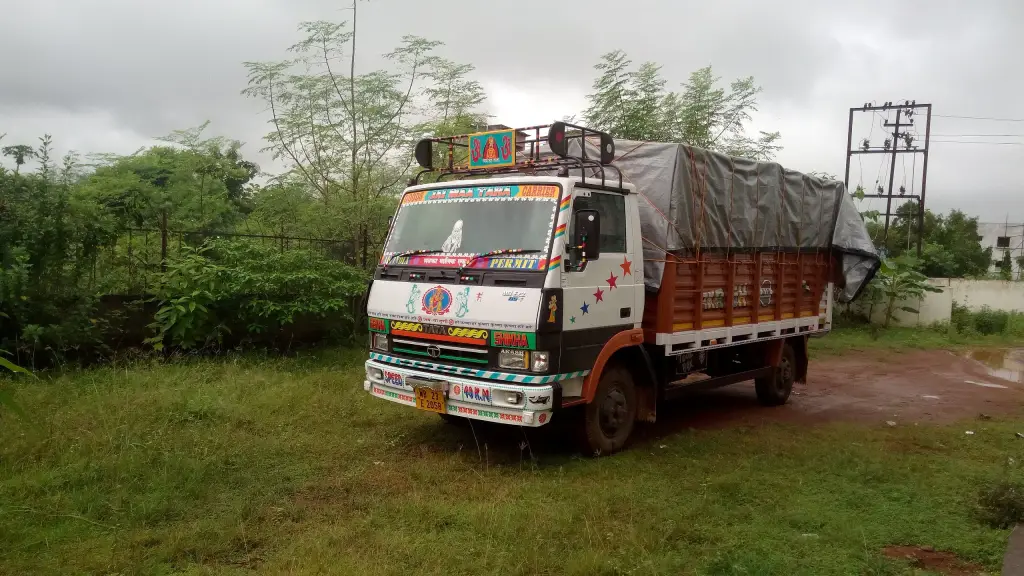
The Tata 407 is a light commercial vehicle launched by Tata Motors on 21 February 1986. By 2011 more than 500,000 had been sold. With a 2.25-tonne payload, a length of 4.7 metres and a turning circle of 5.5 metres, it became the standard small goods vehicle of Indian towns and villages and the base of a whole family of trucks, tippers, pick-ups and buses.
Tata 407 at a glance
| Maker | Tata Motors, India |
|---|---|
| Launched | 21 February 1986 |
| Class | light commercial vehicle |
| Payload | 2.25 tonnes |
| Length | 4.7 m |
| Turning circle | 5.5 m |
| Engine | 3.0-litre TATA 497 SP diesel, Euro 2, 75 hp |
| Cab | semi-bonneted, with a Hanomag-derived cab |
| Running gear | leaf-spring suspension, single rear wheels |
| Body styles | truck, tipper, pick-up, bus chassis |
| Sold | more than 500,000 by 2011 |
| Successor | Tata Ultra (planned) |
History of the Tata 407
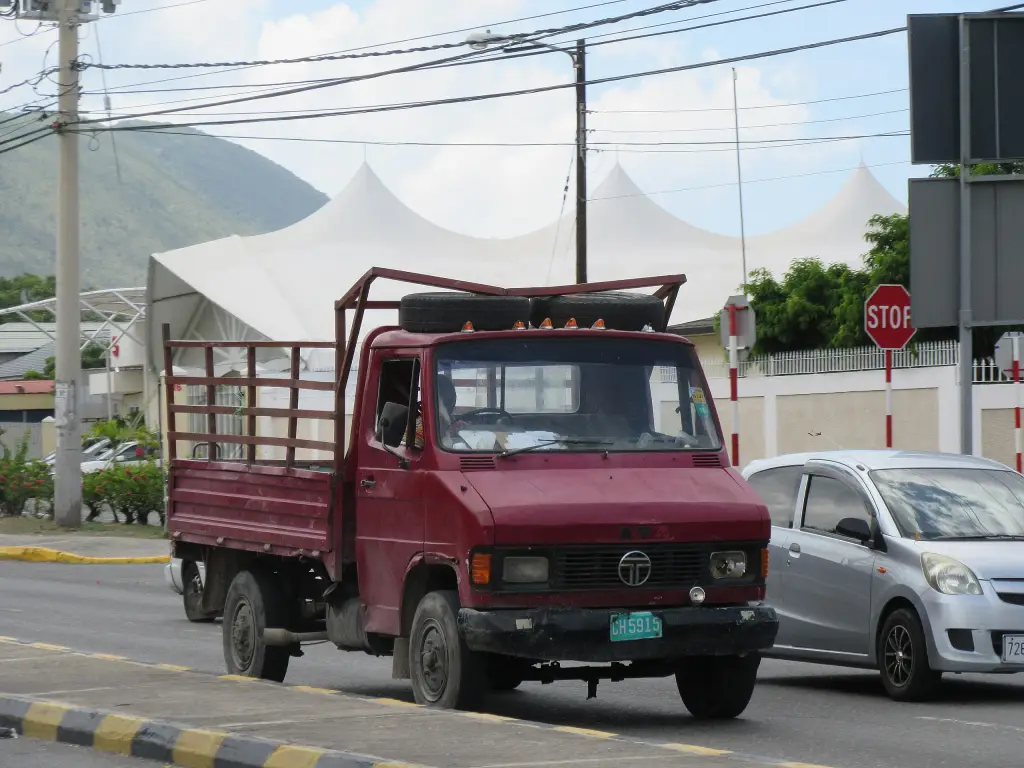
The 407 was launched on 21 February 1986. Its cab comes from the Steyr 591/691 series of trucks, whose pressing tools Tata bought in the mid-1980s; the Steyr itself was derived from the Hanomag F-series of 1967. The Russian article traces the design to the Mercedes-Benz T2 508D and states that the cab was taken from Hanomag. The semi-bonneted layout, with the engine ahead of the windscreen, has stayed with the model ever since.
Range and updates
The 407 range covers trucks, tippers, pick-ups and vehicles for agriculture and food distribution, construction, light mining and services. The Russian article lists a 3.0-litre TATA 497 SP diesel of 75 hp to Euro 2, leaf-spring suspension and single rear wheels. A four-wheel-drive version able to carry 10–12 soldiers was produced for the Indian army, and Avron built its own vehicles on the 407 chassis. The model was restyled in 1994, and Tata plans to replace it with the Ultra range.
Buses and the 407 Pick-up
Tata’s Cityride buses are based on the 407 and come in 12–24 seat versions. After the joint venture with Marcopolo of Brazil in 2006 the 407 platform was included in the Starbus range, as a 24-seat bus and as 12–18 seat luxury versions. In the second half of the 2000s came the facelifted EX-2 Refresh series, joined in 2009 by the 407 Pick-up, which had the shortest overall length, the smallest turning circle, the largest loading area and the highest payload in its class at the time. A compressed natural gas engine option followed in 2009 and a diesel option in 2010.
Design and features
- 2.25-tonne payload: enough for the small trader and the village carrier alike.
- Short and manoeuvrable: 4.7 metres long with a 5.5-metre turning circle.
- Semi-bonneted cab: the driver sits behind a short bonnet, a layout taken from the Hanomag F-series.
- One platform, many bodies: trucks, tippers, pick-ups, buses and army vehicles.
Tata 407 versions
- 407 truck and tipper: the standard goods and construction vehicles.
- 407 Pick-up (2009): shortest length, largest loading area and highest payload in its class.
- Cityride and Starbus: 12–24 seat buses on the 407 platform, merged into the Starbus range after the Marcopolo joint venture of 2006.
- Army 4×4: a high-mobility version carrying 10–12 soldiers.
- CNG and diesel options: added in 2009 and 2010.
The 407 platform also produced the Starbus city bus, and Tata later applied the same small-truck idea to the Ace. More commercial vehicles are in the Tata collection.
Sources
- Tata 407, English Wikipedia: launch date, payload, dimensions, cab origins, buses, pick-up
- TATA SFC-407, Russian Wikipedia: engine, suspension, army version, restyling, successor
- Tata 407, French Wikipedia: Cityride and Starbus buses