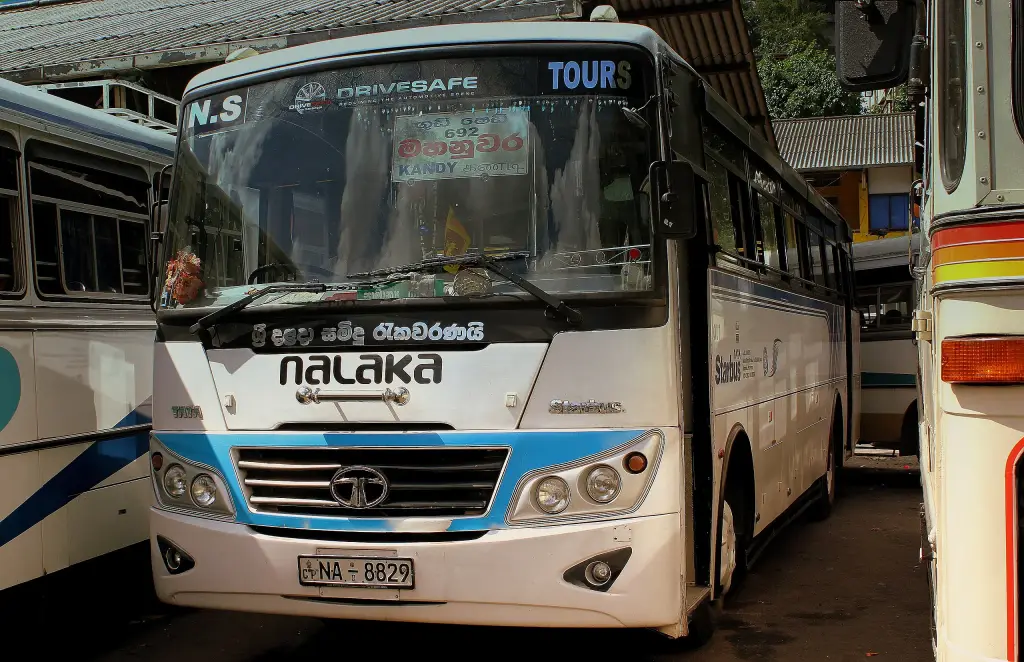
The Tata Starbus is a range of buses built by Tata Motors on its own truck chassis. It covers vehicles from 16 to 67 seats, standard-floor and low-floor, with diesel, compressed natural gas and electric power. The name grew out of the Cityride buses based on the 407 and, after the joint venture with Marcopolo of Brazil in 2006, became Tata’s main bus family.
Tata Starbus at a glance
| Maker | Tata Motors, India |
|---|---|
| Type | range of buses on Tata chassis |
| Seats | 16 to 67 |
| Floors | standard, low floor and ultra low floor |
| Fuel | diesel, CNG and electric |
| Chassis | SFC 407/27, LP 407/31, LP 709/38, LP 1510/53, LPO 1610/62 |
| Low-floor height | 650 mm |
| Ultra-low-floor height | 380 mm |
| Variants | Prime, Standard/Staff, Deluxe, Urban, Skool |
| In service in Mumbai | since 2005, with BEST |
History of the Tata Starbus
The Starbus range is built on chassis that Tata already makes for its trucks and on the 407 platform. Tata’s Cityride buses, 12 to 24 seats, were based on the 407; after the joint venture with Marcopolo of Brazil in 2006 the platform was included in the Starbus range, as a 24-seat bus and as 12–18 seat luxury versions. Since 2005 the Starbus has been used in Mumbai by Brihanmumbai Electricity Supply and Transport, the city’s bus operator.
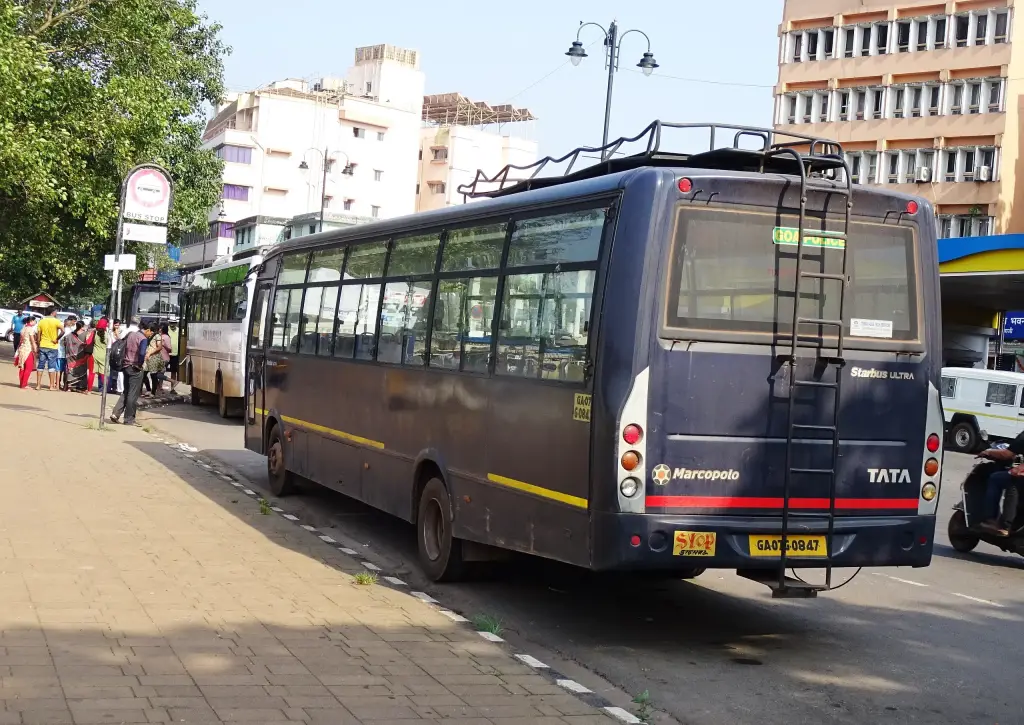
From school bus to city bus
The range is divided by use. The Starbus Skool is the school bus. The Starbus Standard and Staff buses come in 16, 18, 20, 32, 54 and 67-seat versions and are meant for varied road conditions; the smallest uses the SFC 407/27 chassis, the 32-seat bus the LP 709/38, the 54-seat bus the LP 1510/53 and the 67-seat bus the LPO 1610/62. The Starbus Deluxe, in 18, 20, 28 and 35 seats, is for intercity work, on chassis such as the SFC 713/38 and the LPO 916/42. The Starbus Prime covers the largest diesel and CNG buses, including 46 and 51-seat versions on the LP 712/45, 812/52 and 916/52 chassis and the Ultra Prime 58-seater on the LPO 11.6/54.
Urban and electric versions
The Starbus Urban is the city bus: its floor is 650 mm above the road, with wide doors for quick boarding, and Tata also offers ultra-low-floor buses with the floor at only 380 mm, along with high-floor chassis with an extra door for transit work. The electric versions include the Starbus EV in a 12-metre low-entry body and the Ultra EV, sold with and without air conditioning. The CNG versions, such as the 34 and 38-seat Starbus Prime on the LP 410/36G chassis and the 51-seat bus on the LP 910/52G, run alongside them.
Design and features
- One range from 16 to 67 seats: school, staff, intercity and city buses on the same family of chassis.
- Truck-derived chassis: the SFC 407/27, LP 407/31, LP 709/38, LP 1510/53 and LPO 1610/62.
- Low-floor city buses: a 650 mm floor in the Urban, 380 mm in the ultra-low-floor version.
- Three fuels: diesel, CNG and electric versions in the same range.
Tata Starbus versions
- Starbus Skool: the school bus.
- Starbus Standard and Staff: 16 to 67 seats, including the 18-seat CNG version on the LP 407/31 chassis.
- Starbus Deluxe: 18 to 35 seats for intercity routes.
- Starbus Prime: the largest diesel and CNG buses, up to 59 seats.
- Starbus Urban: low-floor city bus with a 650 mm floor, and an ultra-low-floor version at 380 mm.
- Starbus EV and Ultra EV: electric city buses.
The smallest Starbus models use the chassis of the 407, and the largest use the bus chassis of the 1510 and 1512. More Tata vehicles are in the Tata collection.
Sources
- Tata Starbus, English Wikipedia: range, variants, chassis codes, floor heights
- Tata Starbus, Russian Wikipedia: variant list, electric buses, BEST in Mumbai
- Tata 407, English Wikipedia: Cityride and the Marcopolo joint venture