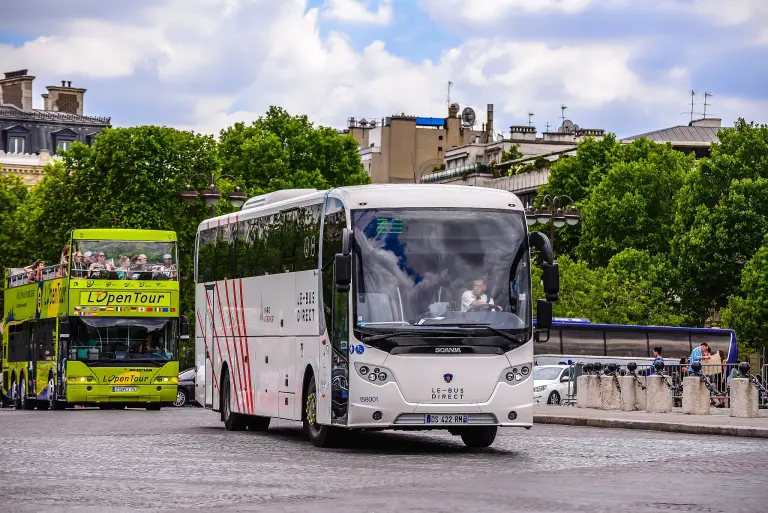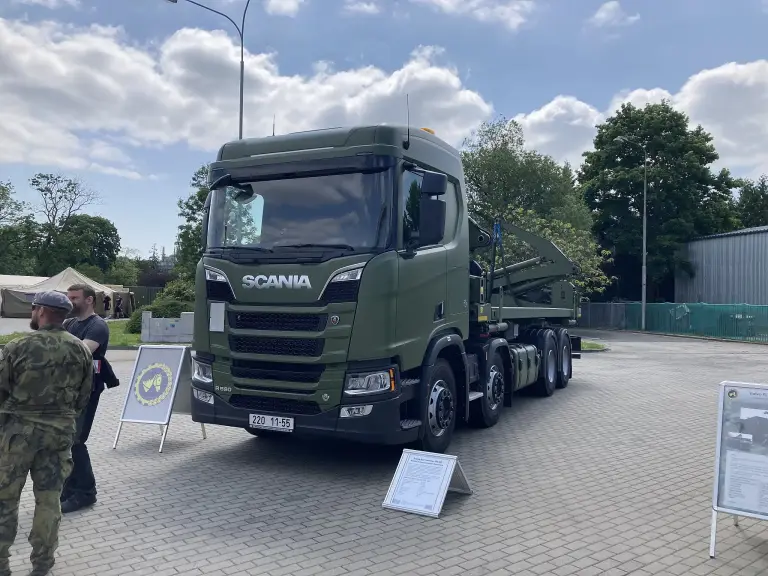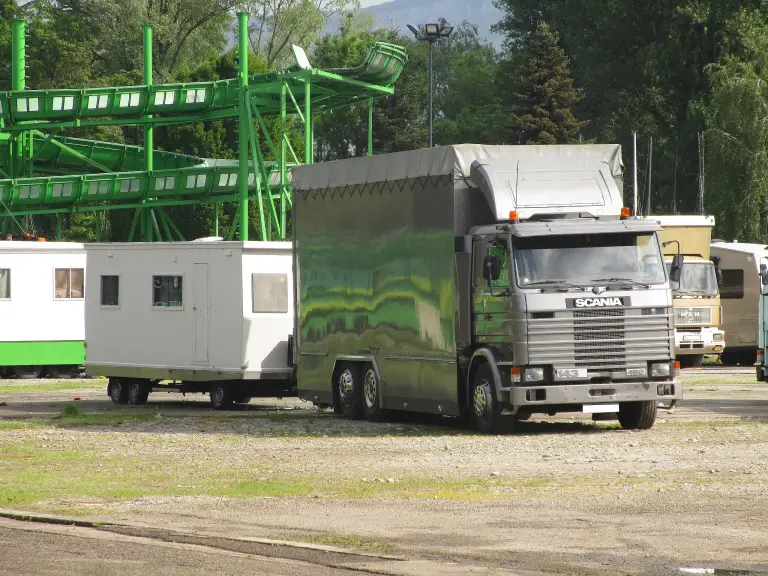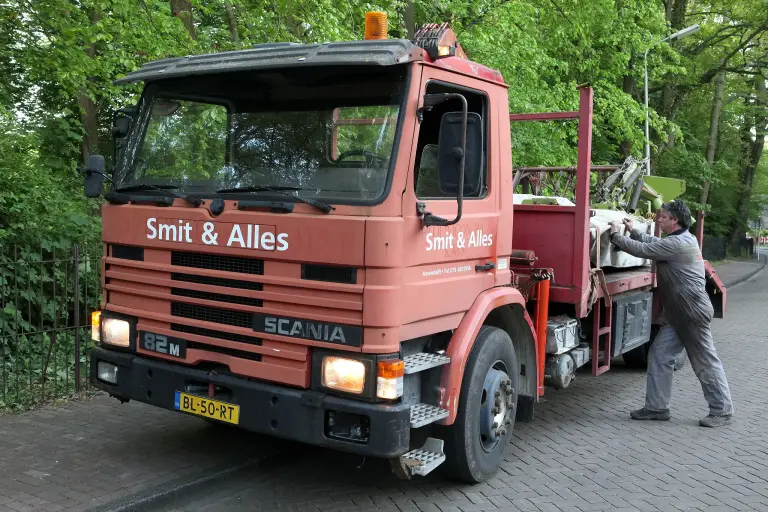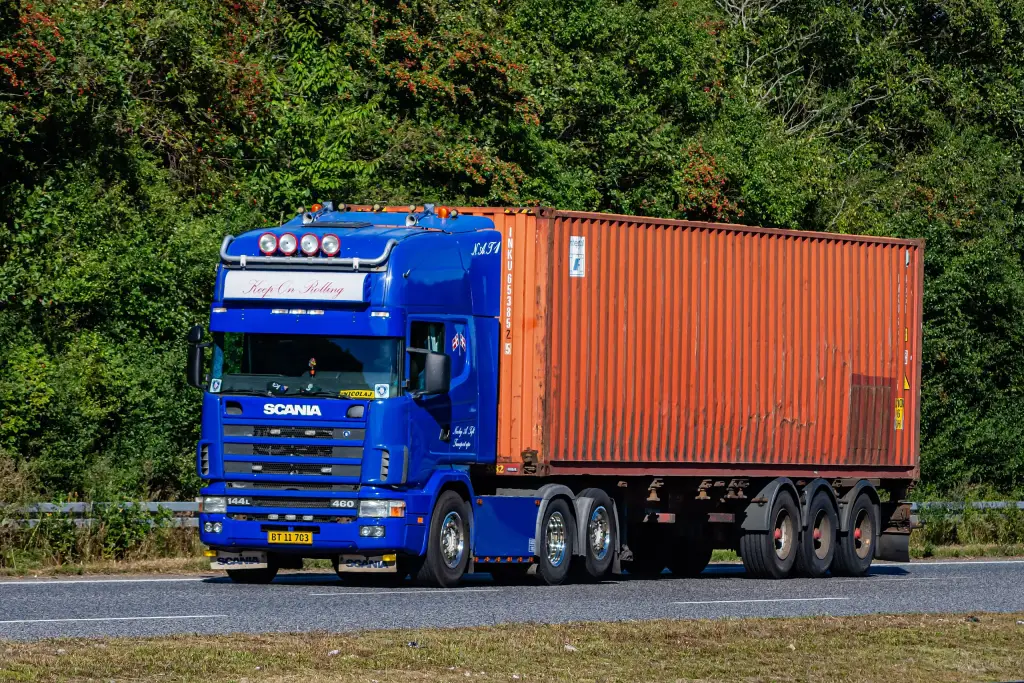
The Scania 4-series was introduced in 1995 as the successor to the 3-series. It came with five engine combinations, three cabs and four chassis types, and it introduced the rounded front that replaced the squarer look of earlier Scania trucks.
Scania 4-series at a glance
| Introduced | 1995 |
|---|---|
| Predecessor | Scania 3-series |
| Successor | Scania PRT range in Europe, 2005 |
| Engine sizes | 9, 11, 12, 14 and 16 litres |
| New engines | 12 and 16 litres |
| Chassis codes | L, D, C and G |
| Power range | 220–580 hp |
| Cabs | three types |
| Chassis types | four |
| Brazilian production | until 2007 |
based on one source
History of the Scania 4-series
A new generation in 1995
The 4-series replaced the 3-series in 1995. Scania offered it with five engine combinations, three cabs and four chassis types, and in Europe it was succeeded by the PRT range in 2005. Production continued in Brazil until 2007.
How the names work
Scania’s model names combined the engine displacement in litres with the generation number. A 14-litre engine in the 4-series therefore gave the model name 144. The 4-series brought two new engine sizes, 12 and 16 litres, alongside the familiar 9, 11 and 14-litre units. The letter after the numbers described the chassis type, and in the 4-series that code changed: L, D, C and G replaced the M, H and E of the 3-series. The three-digit number on the other side of the front stood for horsepower and ranged from 220 to 580 hp.
Styling
The 4-series moved Scania’s front away from the square, lined look of earlier trucks towards rounder, curved shapes. The cab design also split the grille horizontally in two, with the lower part able to flip down to make a step for reaching the windscreen when cleaning it, or optionally a bench for waiting.
Design and features
- Rounded cab: a softer, more curved front than the 3-series.
- Split grille: the lower panel folds down as a step or a bench.
- Five engine sizes: 9, 11, 12, 14 and 16 litres, including two new units.
- New chassis codes: L, D, C and G instead of M, H and E.
Scania 4-series versions
- 9-litre models: the smallest engines of the range.
- 12-litre models: one of the two new engine sizes.
- 16-litre models: the largest option, badged 164.
- L, D, C and G chassis: four chassis types for different work.
The previous generation is described in Scania 3-series, and the range that followed in Europe in Scania R-series and Scania P-series. The 4-series bus chassis have their own page, and more vehicles are in the Scania collection.
Sources
- Scania 4-series, English Wikipedia: designations, styling, production