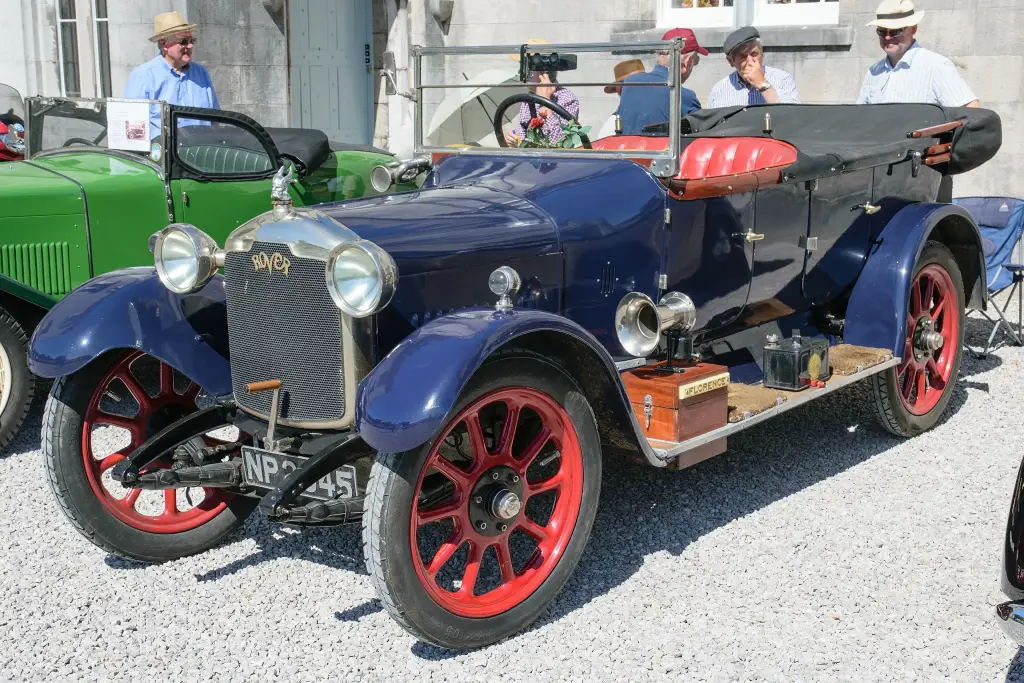
The Rover 12 was the name given to several medium-sized family cars from the British Rover company between 1905 and 1948. The first was a 1,767 cc four of 1905, the last a renamed 2,297 cc model of 1912 that became the Rover 14 in 1924 after about 13,000 had been built.
Rover 12 at a glance
| Name used | 1905–1948, for several different models |
|---|---|
| Rover 10-12 | November 1905–1907, 1,767 cc four-cylinder side-valve |
| Two-cylinder 12 | 1909–1910, 1,624 cc side-valve; many used as taxis |
| Sleeve-valve 12 | 1910–1912, 1,882 cc Knight-Rover two-cylinder |
| Clegg 12 | 1912–1923, 2,297 cc four-cylinder side-valve |
| Designer | Owen Clegg, who joined Rover from Wolseley |
| Gearbox | Three-speed, separate from the engine; worm final drive |
| Bodies (1922) | Open two- and four-seat, saloon, limousine coupé and drophead coupé, £625 to £800 |
| Post-war changes | 1919 detachable cylinder head and electric starter; 1921 optional longer wheelbase |
| Renamed | Rover 14 in 1924, with a four-speed gearbox |
| Clegg 12 built | about 13,000 |
Based on one source: the English Wikipedia article on the Rover 12, which covers the name from 1905 to 1948.
History of the Rover 12
Three early Twelves, 1905–1912
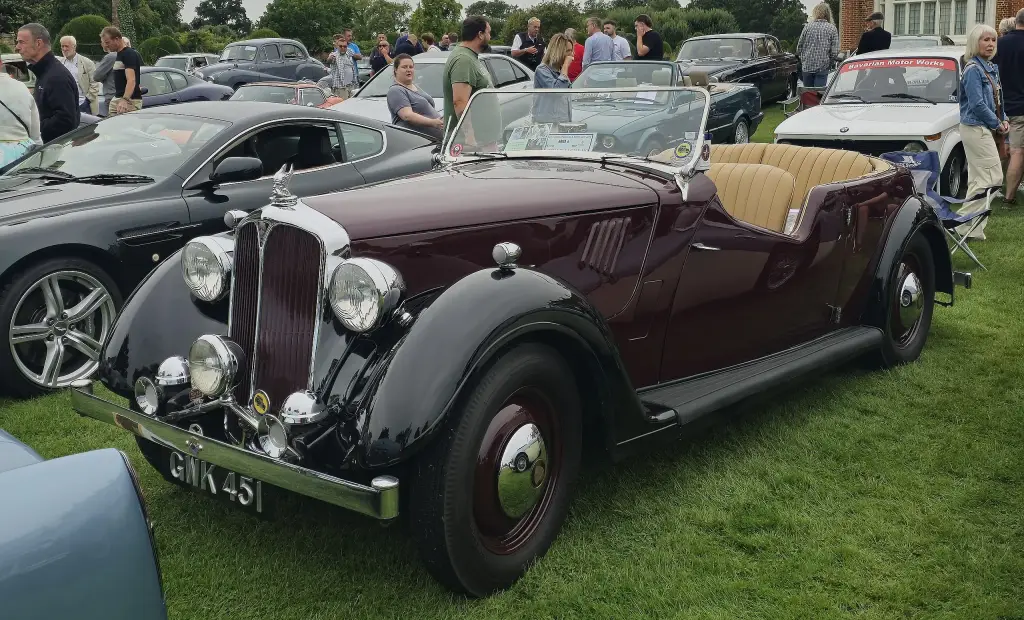
The Rover 10-12 was the fourth model Rover made, following its 8 hp, 6 hp and 16 hp cars. It was launched in November 1905 and shown at that year’s Olympia Motor Show with a four-cylinder, water-cooled, side-valve monobloc engine of 1,767 cc. The next Rover 12, of 1909, used a two-cylinder water-cooled side-valve engine of 1,624 cc; its chassis and rear axle went on, in modified form, into the 1912 cars, and many of these Twelves saw use as taxis. In October 1910 a supplementary Rover 12 with a Knight-Rover two-cylinder sleeve-valve engine of 1,882 cc and a two-seater body was announced for the Olympia show, although Rover had published its intention to build it in mid-1910. Daimler engines were then cast in pairs of cylinders, and this engine was half of a four-cylinder 1909 22 hp Daimler.
The Knight-Rover engine
The two connecting rods sat side by side on the same crank pin, so the firing points were equidistant, and the engine was mounted directly on the chassis frame. The rearmost bracket rolled over the flywheel, which put the rear mountings much further apart from the front set than mounting the engine on its very short block would have allowed. Magneto, distributor and water pump were driven by skew gear from the front of the crankshaft, as were the pinions and chains that drove the shafts operating the sleeve valves. The two-jet carburettor had a silencer on its air intake, and the first jet was used only for starting or idling. A supplementary air supply worked by a foot pedal provided an oil mist from the crankcase to lubricate the tops of the valve sleeves, a three-plunger pump forced oil from the sump into troughs under the big ends, and a telltale on the dashboard warned if the pump was not working. The chassis was entirely new, with a metal-to-metal multi-plate clutch that needed no lubrication, a gearbox on a separate underframe with all its shafts on ball bearings, three forward speeds, a fully enclosed propeller shaft and an overhead worm final drive. The Motor tested a four-seat torpedo body: the compact 106-inch wheelbase left ample legroom and room for luggage behind the front seat, the engine was so silent that the driver was often asked whether it was running, and the magazine would not hesitate to recommend the car. A passenger went off without a word and bought a similar car within 24 hours.
The Clegg 12 and the move to the 14
The new Rover 12 was first shown at the November 1911 Olympia Motor Show as a four-cylinder supplement to the two-cylinder sleeve-valve cars. It was designed by Owen Clegg, who had joined Rover from Wolseley, and used a four-cylinder water-cooled side-valve engine of 2,297 cc with an SU carburettor made by Rover under licence. Around 5,000 were made before the First World War. The three-speed gearbox was separate from the engine and drove a rear axle with a worm drive, with semi-elliptic leaf springs front and rear, rear-wheel brakes worked by the hand lever and a transmission brake under the foot pedal. Post-war the engine gained a detachable cylinder head and an electric starter in 1919, and a chassis 6 inches longer became an option in 1921. Advertisements in 1922 quoted open two- and four-seat, saloon, limousine coupé and drophead coupé bodies at prices from £625 to £800. In 1924 the model was renamed the Rover 14 and given a four-speed gearbox, although the three-speed remained an option on the open cars; the engine was unchanged and the new name was claimed to represent more closely the treasury rating of 13.9 hp. A Weymann fabric-bodied saloon joined the range, and the last cars were made in 1924, after around 13,000 Clegg Twelves.
Design and features
- Knight-Rover sleeve valves: the 1,882 cc two-cylinder engine was half a Daimler 22 hp four and ran almost silently.
- Clegg chassis: a separate three-speed gearbox, enclosed propeller shaft and overhead worm final drive.
- Long production life: the Clegg Twelve stayed in the catalogue from 1912 to 1924 with only detail changes.
- Many body styles: from open two-seaters to a limousine coupé, at £625 to £800 in 1922.
Rover 12 versions
- 10-12 (1905–1907): a 1,767 cc four-cylinder side-valve car, Rover’s fourth model.
- Two-cylinder 12 (1909–1910): 1,624 cc; many ended their lives as taxis.
- Sleeve-valve 12 (1910–1912): the Knight-Rover two-cylinder with a two-seater body.
- Clegg 12 (1912–1923): the 2,297 cc four that became the Rover 14 in 1924.
The Twelve overlapped the smaller Rover 10 and was replaced in name by the Rover 14. More cars are in the Rover collection.
Sources
- Rover 12, English Wikipedia: the early Twelves, the Knight-Rover engine and the Clegg 12