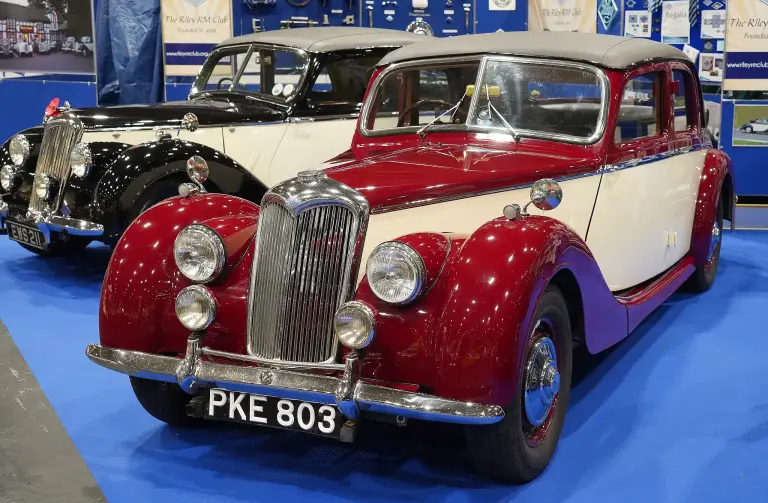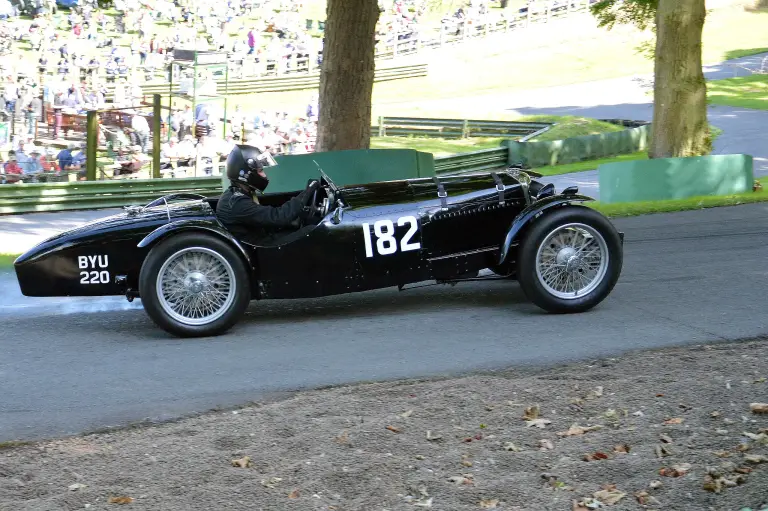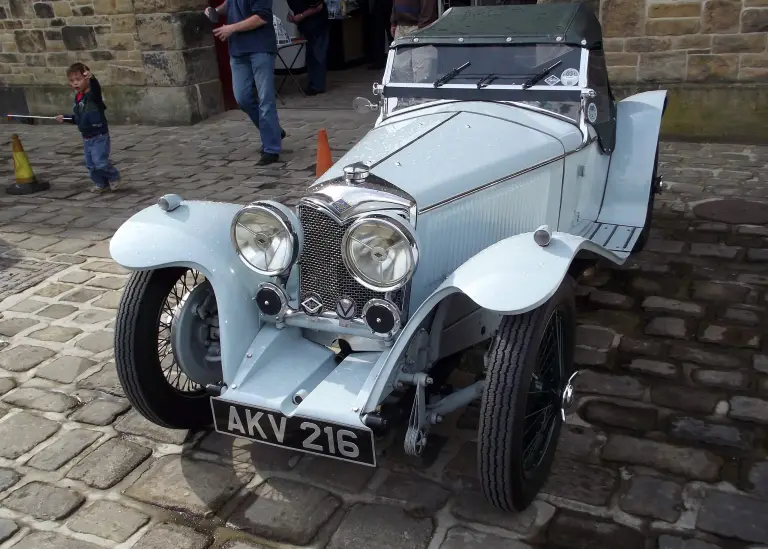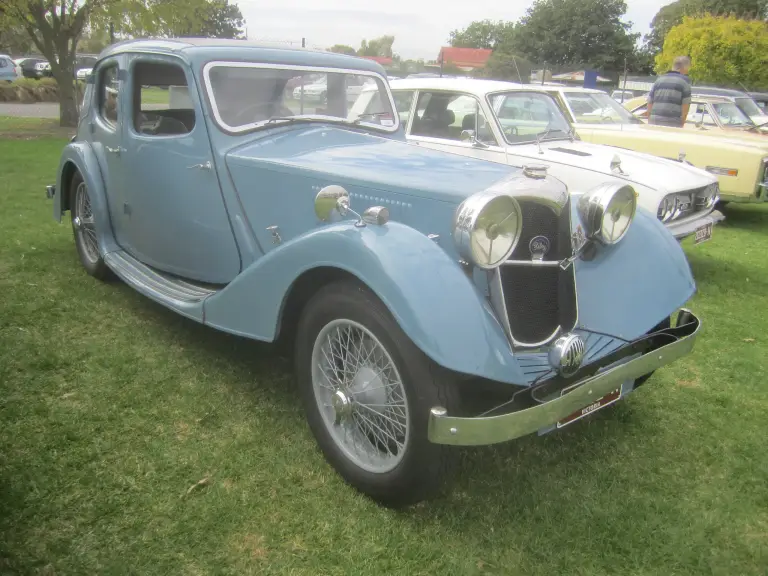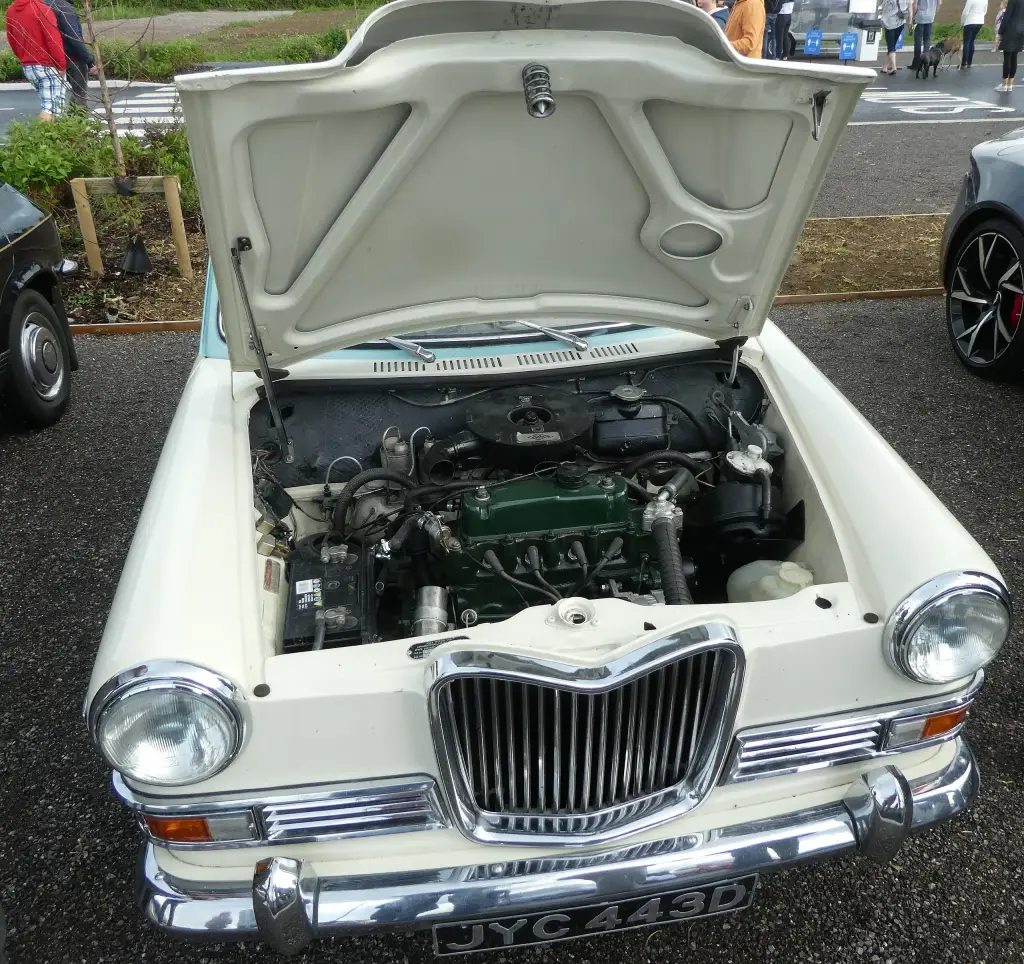
Riley ‘Kestrel’ was a brand name applied by the Riley Motor Car Company and its successors, the Nuffield Organization and British Leyland, to various of their saloon car models. In pre-war Rileys it usually meant a sporty model with fastback styling, and the name was revived in 1965 for a badge-engineered version of the BMC ADO16.
Riley Kestrel at a glance
| Name used | 1926–1940 and 1965–1969 |
|---|---|
| Riley Nine | 1926–1937 |
| Riley 12/4 | 1934–1935 |
| Riley 1½ Litre | 1935–1938 |
| Riley 16 (16/4) | 1937–1940, 2½ litre |
| Revival | 1965–1969, BMC ADO16 |
| Pre-war meaning | sporty model with fastback styling |
| Companies | Riley, then Nuffield, then British Leyland |
Based on one source, the English Wikipedia article on the Riley Kestrel.
History of the Riley Kestrel
A name, not a single car
Unlike most Riley model names, Kestrel did not belong to one car. The company and its successors used it across a series of saloons: from 1926 to 1937 some Riley Nines were Kestrels, from 1934 to 1935 some 12/4s, from 1935 to 1938 some 1½ Litres, and from 1937 to 1940 some of the 16/4 2½-litre cars. In pre-war Rileys the Kestrel name typically denoted a sporty model with fastback styling, which is why it appears on several different chassis and body ranges rather than on a single model.
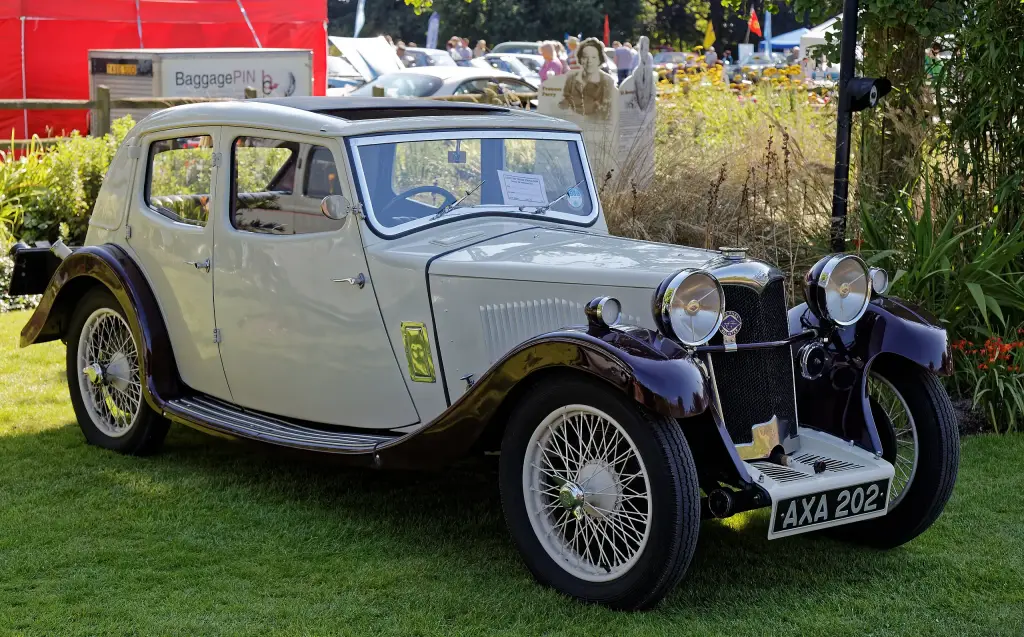
Revived for the ADO16
After the war the name disappeared with the two-engine policy and the RM saloons, which used designations such as RMA and RME instead. It came back in 1965 as a variant of the BMC ADO16, the front-wheel-drive family saloon sold as the Austin and Morris 1100 and 1300. That Riley Kestrel was a badge-engineered version of the same car, with Riley’s own grille and trim, and it stayed in the range until 1969.
The last Kestrels
The ADO16 Kestrel was among the last Rileys, alongside the Riley Elf, and its withdrawal in 1969 came at the same time as the end of the marque. The name therefore bookends Riley’s history: a sporting saloon label in the era of the Nine and the 12/4, and a family saloon badge at the very end.
Design and features
- Sporting image: in pre-war cars the Kestrel badge meant a faster, fastback-styled saloon.
- Several chassis: Nine, 12/4, 1½ Litre and 16/4 cars all carried the name.
- Fastback styling: the body shape that distinguished the pre-war Kestrels.
- 1965 revival: a Riley version of the front-wheel-drive BMC ADO16.
- End of the marque: the last Kestrels were sold in 1969, when Riley disappeared.
Riley Kestrel versions
- Kestrel Nine (1926–1937): the original sporting saloon on the Nine chassis.
- Kestrel 12/4 (1934–1935): the 1½-litre version.
- Kestrel 1½ Litre (1935–1938): the renamed 12/4 range.
- Kestrel 16/4 (1937–1940): the 2½-litre car.
- Kestrel 1100 and 1300 (1965–1969): the badge-engineered ADO16.
The pre-war Kestrel was a body of the Riley Nine and the Riley 12/4; the 1965 car was a cousin of the Riley Elf. More cars are in the Riley collection.
Video: 1966 Riley Kestrel 1100 Four Door Saloon
Video by Jack R on YouTube.
Sources
- Riley Kestrel, English Wikipedia: name history, models, 1965 revival