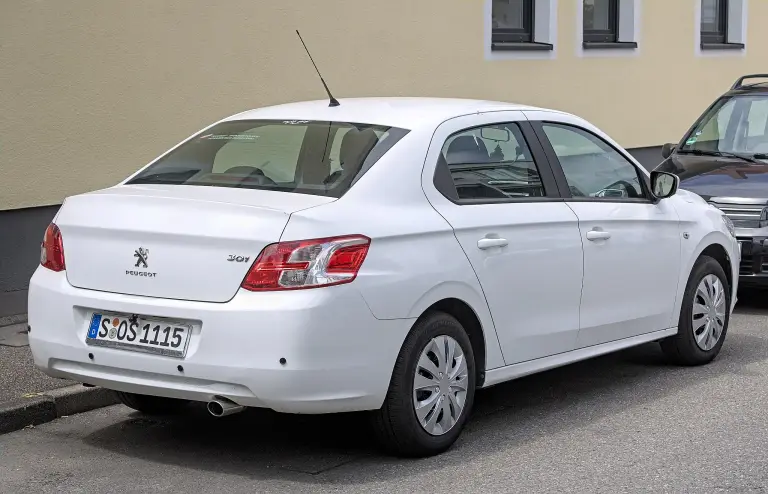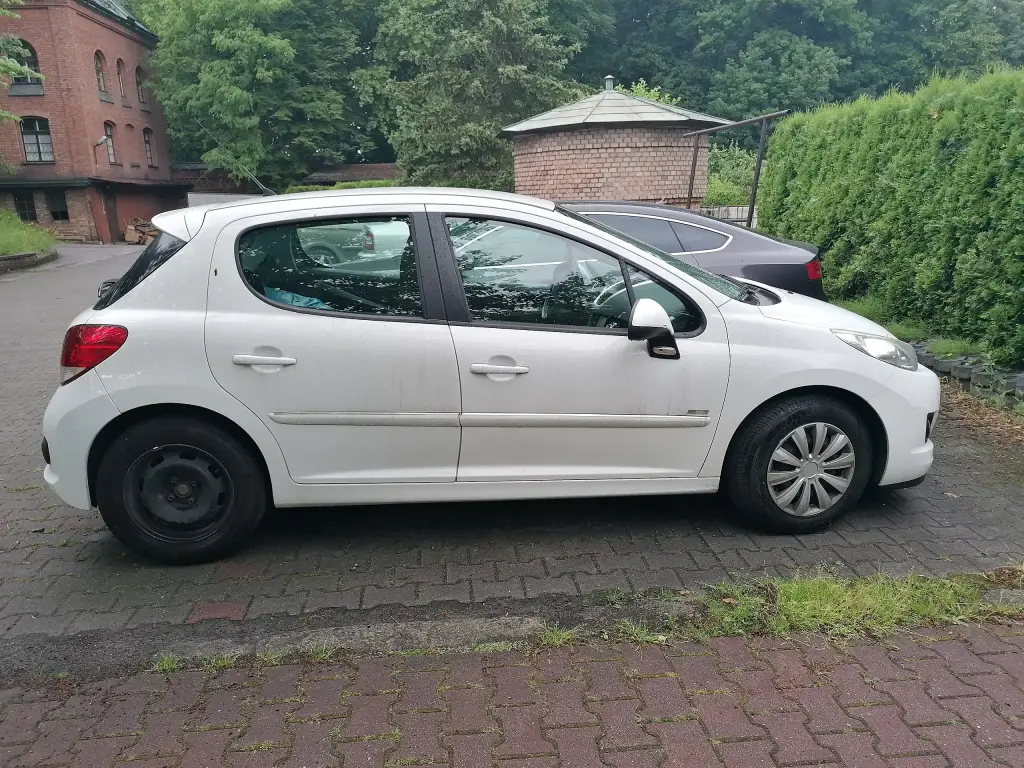
The Peugeot 207 is a supermini produced by Peugeot from 2006 to 2014. It was presented at the Geneva Motor Show in 2006 and entered production in April that year as the successor to the 206, sharing its platform with the Citroën C3.
Peugeot 207 at a glance
| Production | April 2006 to 2014 |
|---|---|
| Presented | Geneva Motor Show, 2006 |
| Platform | modified Citroën C3 |
| Plants | Poissy, Madrid, Trnava |
| Bodies | three and five-door hatchback, SW estate, CC cabriolet |
| Petrol engines | 1.4 8v and 16v, 1.6 16v, then VTi 95 and 120 |
| THP engines | 1.6 turbo with 150 or 175 PS, developed with BMW |
| Diesel | 1.4 HDi 67 PS, 1.6 HDi 90 or 110 PS |
| GTI | THP 175, 184 PS after the 2009 facelift |
| Replaced by | 208, in April 2012 |
History of the Peugeot 207
Launch
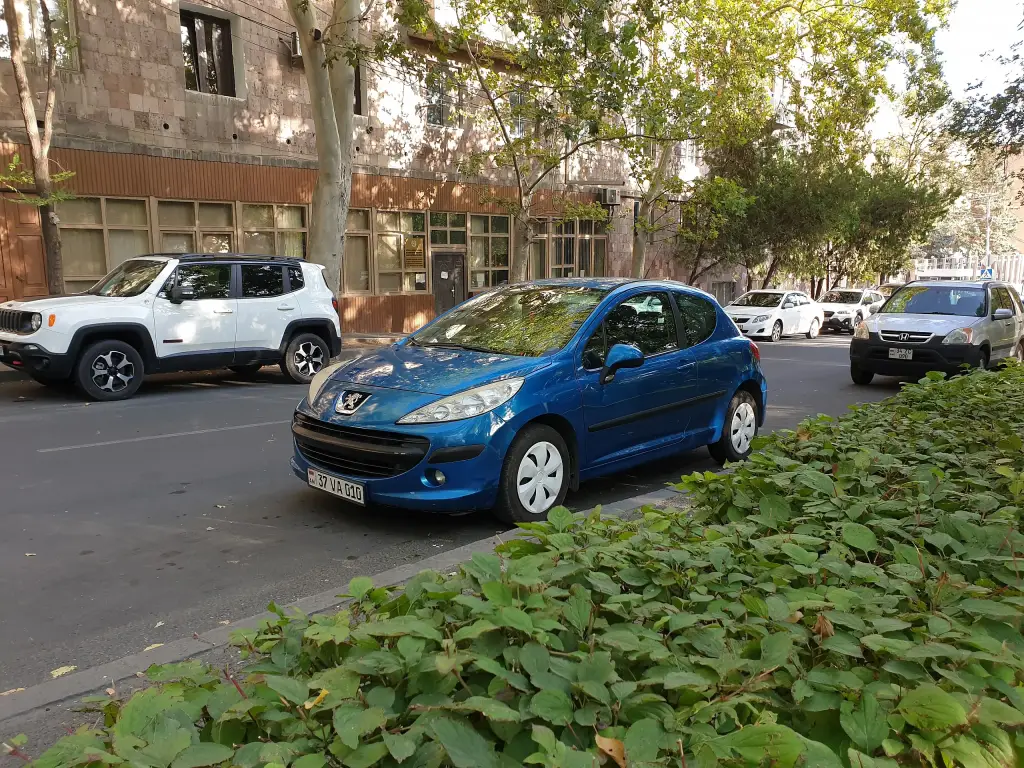
The 207 went on sale in France, Spain and Italy in April 2006 and reached other European markets and the Middle East later; the British launch was on 8 June 2006, the same day two unions at the Ryton plant began a campaign to boycott PSA vehicles over the planned closure of the factory. Peugeot’s British sales grew despite the boycott. Production took place at Poissy in France, Madrid in Spain and a new plant at Trnava in Slovakia.
Engines
At first there were three petrol engines: a 1.4-litre 8v with 75 PS or a 16v with 90 PS, and a 1.6-litre 16v with 110 PS. From the end of 2006 the 1.4 and 1.6 16v gave way to the 1.4 VTi of 95 PS and the 1.6 VTi of 120 PS with Valvetronic. Two turbocharged and intercooled versions followed, of 150 and 175 PS, the product of the PSA agreement with BMW and also used in the Mini Cooper S. The diesels were a 1.4 HDi of 67 PS and a 1.6 HDi of 90 or 110 PS.
Bodies and versions
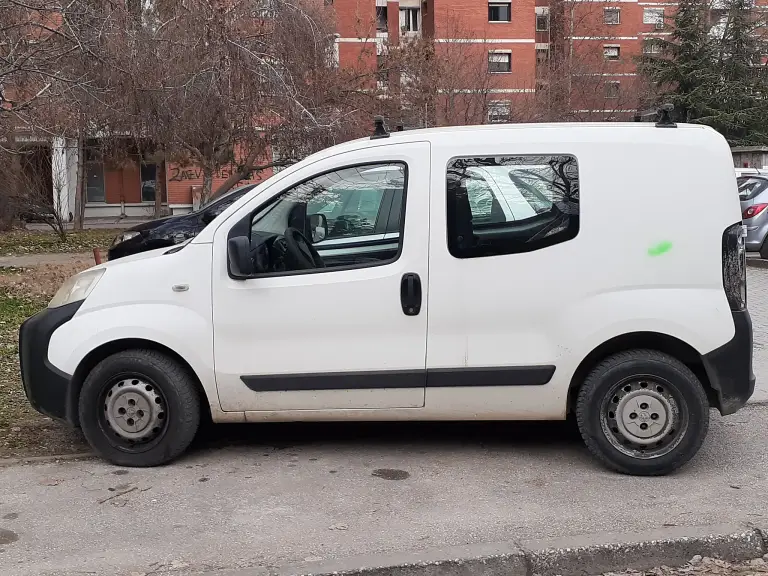
The 207 was sold as a three or five-door hatchback, a 207 SW estate and a 207 CC coupé cabriolet, launched in December 2006 to replace the 206 CC and offered only with the 1.6 HDi or 1.6 VTi. A 207 Van panel van was presented at the Commercial Vehicle Show in Birmingham and sold in Britain, while in most other markets, including France, the commercial version kept its side windows and was called the 207 Affaire. The GTI, sold as the RC in some countries, used the THP 175 engine; the GT had the THP 150 with a glass roof, and both came only with manual gearboxes.
A Le Mans Series edition of 2,000 cars was built with a sport front bumper, a racing stripe over bonnet, roof and spoiler, 17-inch Pitlane wheels and a numbered steering wheel. In July 2009 the car was facelifted with a smaller grille, revised front lighting, LED rear lights and software changes that raised the GTI from 175 to 184 PS.
Reception
Reviews were mixed. Critics disliked the interior design, the gearbox and the handling, the last two also in the GTI. Autocar called it safely played and lacking charm, though the car was praised for value, safety and styling, and one insurer rated it the fourth least reliable vehicle. The CC was better received. Despite this the 207 sold well in Britain, sixth overall and third in the supermini class in 2007 with more than 67,000 cars. A 207 RCup concept with a 2.0-litre engine of 280 PS was shown at Geneva in 2006 as a successor to the 206 World Rally Car.
Design and features
- C3 platform: a modified version of the Citroën C3 base.
- THP engines: 1.6 turbo units of 150 and 175 PS developed with BMW.
- Three bodies: hatchback, SW estate and CC with a folding roof.
- GTI: 175 PS, raised to 184 PS by the 2009 facelift.
- Le Mans Series: a 2,000-car special edition with numbered steering wheels.
Peugeot 207 versions
- Hatchback: three and five-door, the main body.
- 207 SW: estate version.
- 207 CC (2006): coupé cabriolet, 1.6 HDi or 1.6 VTi.
- GTI / RC: THP 175, manual gearbox only.
- GT: THP 150 with a glass roof.
- 207 Affaire and Van: commercial versions with and without side windows.
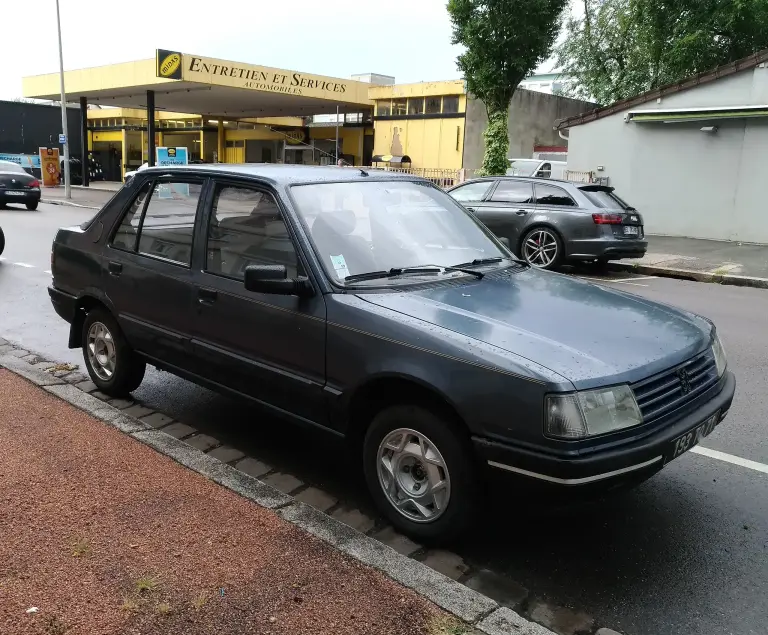
The 207 replaced the Peugeot 206 and was replaced by the 208 in 2012. More in the Peugeot collection.
Video: Peugeot 206 & 207: Alt gegen neu
Video by on YouTube.
Sources
- Peugeot 207, English Wikipedia: launch, engines, bodies, facelift, reception, concepts