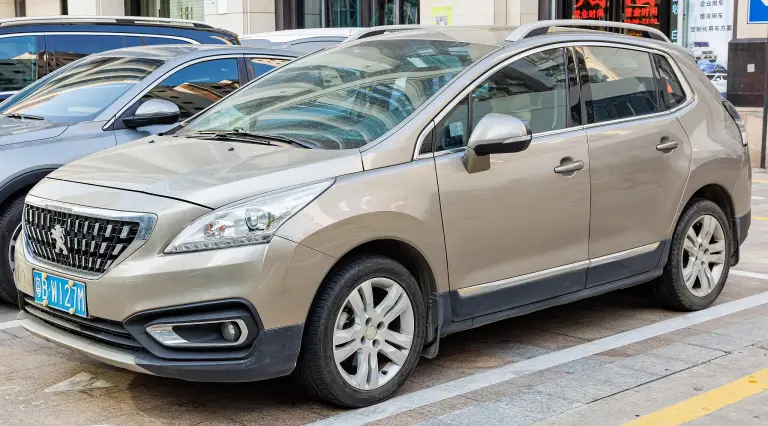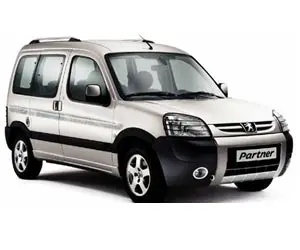
The Peugeot Partner and Citroën Berlingo are a range of small vans and passenger cars produced since 1996. They are sold as light commercial vehicles or as passenger MPVs with rear seats and windows.
Peugeot Partner at a glance
| Launched | July 1996 |
|---|---|
| Project | M49 with the Citroën Berlingo |
| Base | Citroën ZX and Peugeot 306 estate floorpan |
| Passenger versions | Partner Combi, Partner Tepee, then Rifter |
| Facelift | September 2002, M59 |
| Second generation | B9, launched May 2008 |
| First-generation name later | Partner Origin |
| Electric versions | Partner Origin Electric from 2010, and one from i-MiEV parts in 2013 |
| Third generation | K9, at Geneva in 2018, with the Rifter |
| Italian name | Peugeot Rancher for the first generation |
source page is about the shared Berlingo and Partner project; free photographs of the Peugeot version were not found, the existing thumbnail stays
History of the Peugeot Partner
The first generation
The Berlingo and Partner were officially launched in July 1996, initially based on the Citroën ZX and Peugeot 306 estate floorpan and mechanicals. With their boxy cargo space and aerodynamic front, they can be considered the descendants of the Citroën 2CV panel van. When the Berlingo was shown at the Paris Motor Show in 1996, three concepts were presented alongside it, and one of them, the Grand Large, was developed into the Multispace and Combi leisure vans.
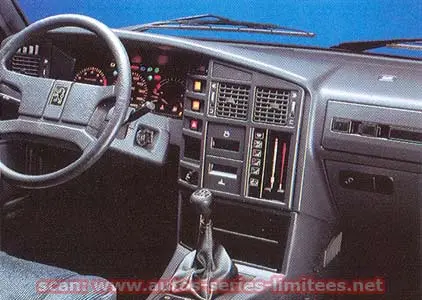
A revised version with a new instrument cluster like the Peugeot 206’s, a redesigned interior and a new front end appeared in September 2002, and a minor facelift followed during 2004. After the second generation arrived, the first-generation cars stayed on sale as the Citroën Berlingo First and Peugeot Partner Origin. In Italy the first-generation Partner was known as the Peugeot Rancher.
Electric and special versions
The first-generation Berlingo was offered with a nickel-cadmium battery from 1998 to 2005. A small electric fleet was later built for La Poste on the first-generation chassis with a ZEBRA molten salt battery and a Venturi powertrain, delivered in 2010, and the same year the Berlingo First Electrique and Partner Origin Electric went on sale, assembled by Venturi at Solesmes in the Sarthe. A hybrid prototype called the Berlingo Dynavolt was built in 1998 with a Lombardini 500 cc twin as a range extender. In Argentina Peugeot sold an off-road Partner called Patagónica, also known in Europe as the Ushuaïa Grand Raid, Escapade, VTC and Indiana.
Second and third generations
The second generation, B9, was unveiled in January 2008 with the Berlingo launched in Europe in April and the Partner in May. Styled by Gilles Vidal and built on the PSA PF2 platform, it was slightly larger and considerably more expensive than before. An electric version using a motor and battery derived from the Mitsubishi i-MiEV was available from 2013. The third generation appeared at the Geneva Motor Show in 2018, with the Peugeot passenger version renamed Rifter; the same van is sold as the Opel and Vauxhall Combo and, from 2019, as the Toyota Proace City. Both the Berlingo and Partner have been produced with petrol, diesel, CNG and electric powertrains.
Design and features
- Berlingo twin: the same van with a different badge since 1996.
- ZX and 306 base: the first generation used the 306 estate floorpan.
- Leisure versions: Combi, Tepee and later the Rifter.
- Electric history: from nickel-cadmium batteries to the i-MiEV-derived van.
- Patagónica: an off-road version sold in Argentina and Europe.
Peugeot Partner versions
- Partner I (1996): the original van and Combi.
- Facelift (2002): new interior and front end, M59.
- Partner Origin: the first generation sold on after 2008.
- Partner II (2008): the B9 generation with the Tepee.
- Partner III and Rifter (2018): the K9 generation.
The Partner sits between the Bipper and the Expert and shares its platform history with the 306. More in the Peugeot collection.
Video: Peugeot Partner Tepee – 100.000 Kilometer im Einsatz
Video by on YouTube.
Sources
- Citroën Berlingo, English Wikipedia: launch, generations, passenger versions, electric models