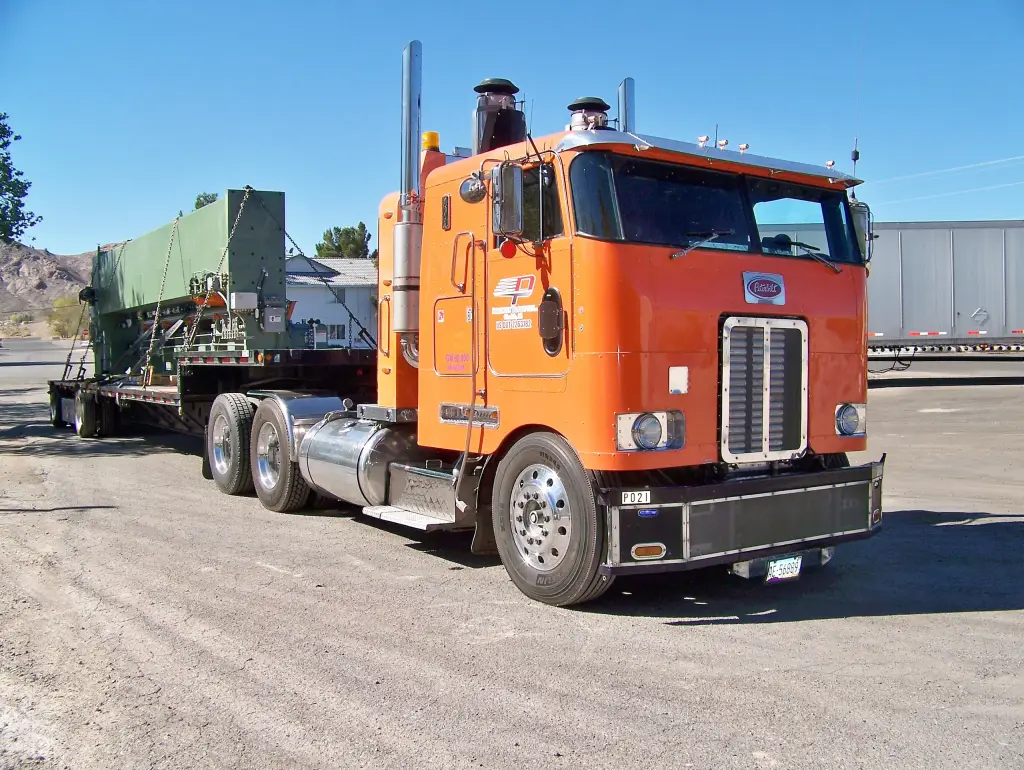
The Peterbilt 362 of 1981 was the first completely new cabover from the company in 22 years. It replaced the 352H with a curved three-piece windshield, a larger and more aerodynamic cab and six cab lengths, and it survived until 2005 as the last cabover model line sold in North America.
Peterbilt 362 at a glance
| Maker | Peterbilt Motors Company (PACCAR) |
|---|---|
| Production | 1981–2005 |
| Layout | cab-over-engine |
| Replaced | 352H |
| Windshield | curved three-piece, three wipers |
| Cab lengths | 54 to 110 inches, six configurations |
| Axles | set-back, twin-steer and all-wheel drive offered |
| Update | 362E from about 1990, with more interior room |
| Built at | Madison, Tennessee, from 1981 |
| Final | last cabover model line sold in North America |
History of the Peterbilt 362
The 362 replaced the 352H in 1981, and it was a much more modern truck than the one it succeeded. Peterbilt gave it a curved three-piece windshield with three wipers, a four-piece screen with two wipers being optional, and a larger cab with a more aerodynamic shape. Assembly began at the Madison, Tennessee, plant, which had opened in 1969 to serve the eastern states.
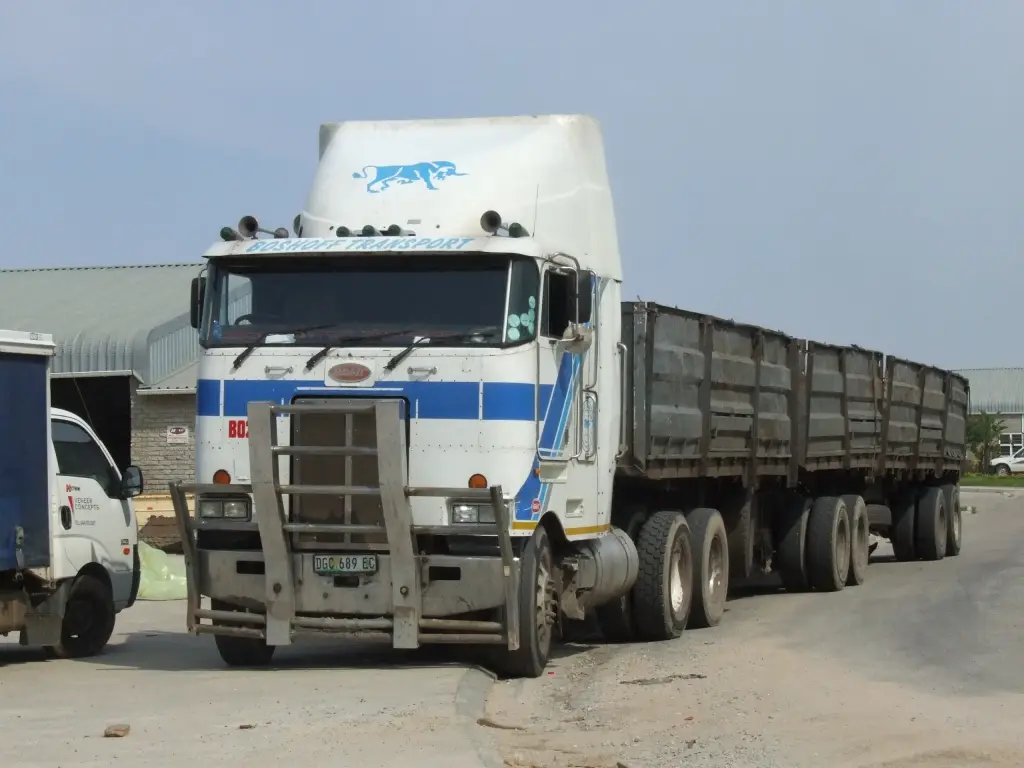
The cabover layout was chosen by operators who needed the longest possible trailer within a given overall length, since the cab sat over the engine and left no bonnet ahead of the driver. Peterbilt offered six cab configurations from 54 to 110 inches, along with set-back front axles, twin-steer arrangements and even all-wheel drive for special applications.
Around 1990 the company introduced the 362E, with greater interior room and easier entry. The model outlived its aerodynamic sister, the 372, which was dropped in 1994 after a poor market reception. In 2005 the 362 ended production, and with it went the last cabover model line sold in North America, as the Freightliner Argosy left the market a year later.
Design and features
- New cab: the first completely new Peterbilt cabover design since 1959.
- Three-piece windshield: a curved screen with three wipers, or four pieces and two wipers as an option.
- Six cab lengths: from 54 to 110 inches to suit day cabs and long sleepers.
- Many axle layouts: set-back front axles, twin-steer and all-wheel drive were all available.
- Long life: 24 years in production, ending as the last cabover sold in North America.
Peterbilt 362 versions
- 362 (1981–2005): the standard cabover.
- 362E (from about 1990): more interior room and easier entry.
- Twin-steer and all-wheel-drive versions: special configurations for heavy and off-road work.
The cabover it replaced is covered with the Peterbilt 352 and 282, and the aerodynamic sister is the 372. The conventional of the same years is the 359; more in the Peterbilt collection.
Video: 1981 PETERBILT 362
Video by Truck Paper on YouTube.
Sources
- Peterbilt, English Wikipedia: 1981 launch at Madison, windshield and cab configurations, 362E, end of production
- List of Peterbilt vehicles, English Wikipedia: production years, cab lengths, axle options