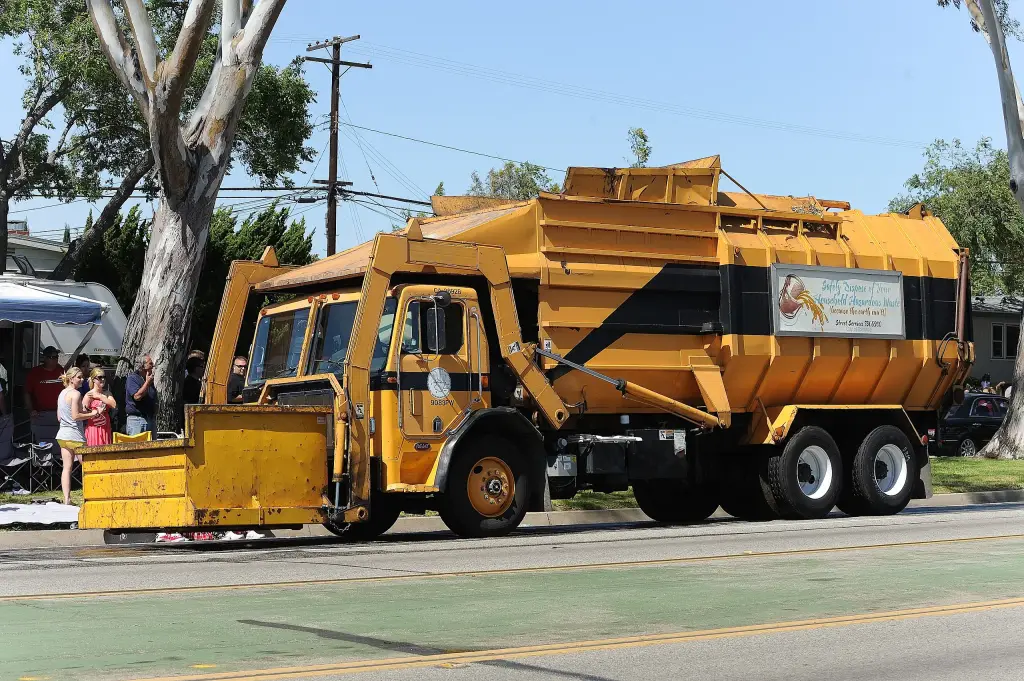
The Peterbilt 320 was the company’s low-cab cabover for refuse collection, built from 1987 to 2018. It replaced the 310 and its Kenworth twin, and it introduced right-hand stand-up drive, a detail that shaped how refuse crews worked for three decades.
Peterbilt 320 at a glance
| Maker | Peterbilt Motors Company (PACCAR) |
|---|---|
| Production | 1987–2018 |
| Layout | cab-over-engine, low cab forward |
| Main use | refuse collection |
| Replaced | Model 310 and the Kenworth Hustler |
| Cab | redesigned 310 cab, no longer shared with Kenworth |
| Driving position | right-hand stand-up drive added |
| Successor | Model 520, introduced in 2016 |
| Class | heavy vocational |
History of the Peterbilt 320
The 320 appeared in 1987 as a redesign of the 310, the low-cab cabover that Peterbilt had built since 1978 together with Kenworth. The new truck was no longer a shared design: Peterbilt reworked the cab for its own use, and the change that mattered most in service was the addition of a right-hand stand-up driving position. A refuse crew gets in and out of the cab dozens of times a shift, and being able to drive standing on the kerb side saved both time and backs.
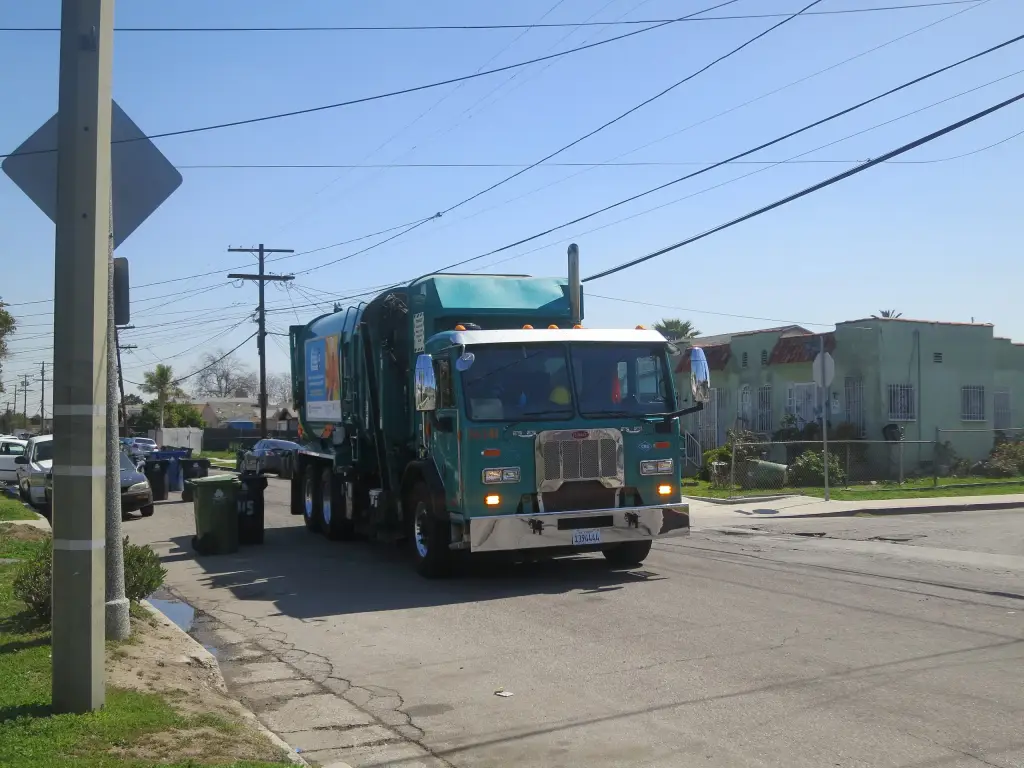
The low-cab-forward layout put the cab over the front axle with the engine beneath it, which kept the truck short and gave a low floor for the collector stepping in and out. In the Peterbilt range the 320 sat apart from the highway tractors: it was a vocational vehicle ordered with a refuse body, most often a rear loader or an automated side loader, rather than a tractor unit.
The model ran for more than thirty years. In 2016 Peterbilt introduced the 520 for refuse work, with a redesigned cab to take PACCAR engines and a modernised interior, and the 320 was phased out in 2018. Examples with municipal fleets are still common, and the 320 remains the image many people have of an American refuse truck.
Design and features
- Low cab forward: the cab sits above the front axle, shortening the wheelbase and lowering the entry step.
- Stand-up drive: the right-hand driving position let the operator move the truck while standing, without climbing across the cab.
- Refuse layout: designed around rear-loading and side-loading bodies rather than general haulage.
- Peterbilt-only cab: the 1987 redesign ended the shared Kenworth cab of the 310.
Peterbilt 320 versions
- 320 (1987–2018): the standard low-cab refuse chassis.
- Municipal specifications: trucks built for city sanitation departments with right-hand drive.
- Model 520 (from 2016): the successor, with a new cab and PACCAR engines.
Other cabovers in the range are covered with the Peterbilt 362 and the earlier 352; the medium-duty line starts with the 200 Mid-Ranger. All models are under Peterbilt.
Video: Allied Waste Peterbilt 320 / Heil Starr
Video by 3amrepmike3 on YouTube.
Sources
- Peterbilt, English Wikipedia: 1987 redesign of the 310, stand-up drive, 520 successor
- List of Peterbilt vehicles, English Wikipedia: production years, replacement of the 310 and Hustler