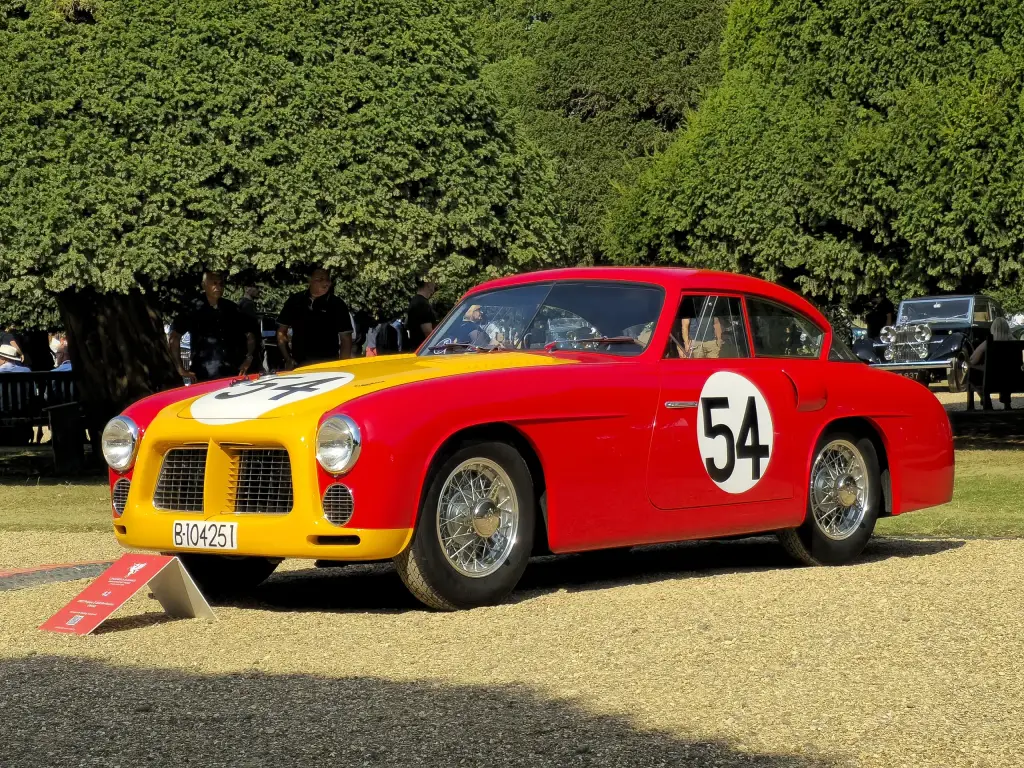
The Pegaso Z-102 was a Spanish sports car built from 1951 to 1958 in coupé and cabriolet form. With an all-alloy V8, a five-speed transaxle and coachwork by Touring, Saoutchik and Serra, it was one of the fastest cars in the world at the time, reaching 151 mph in supercharged trim.
Pegaso Z-102 at a glance
| Maker | ENASA, Barcelona |
|---|---|
| Production | 1951–1958 |
| Bodies | coupé and cabriolet |
| Built | 84 (some sources say 71), of them 28 cabriolets |
| Engine | all-alloy V8, 2.5, 2.8 or 3.2 litres |
| Power | 175 to 360 hp |
| Gearbox | five-speed non-synchromesh transaxle |
| Rear suspension | De Dion |
| Top speed | 192 km/h standard, 243 km/h supercharged |
| Coachbuilders | Touring, Saoutchik, Serra, ENASA |
| Designer | Wifredo Ricart |
Production totals and top speeds differ between sources; the figures here are those given by the English Wikipedia article on the Z-102.
History of the Pegaso Z-102
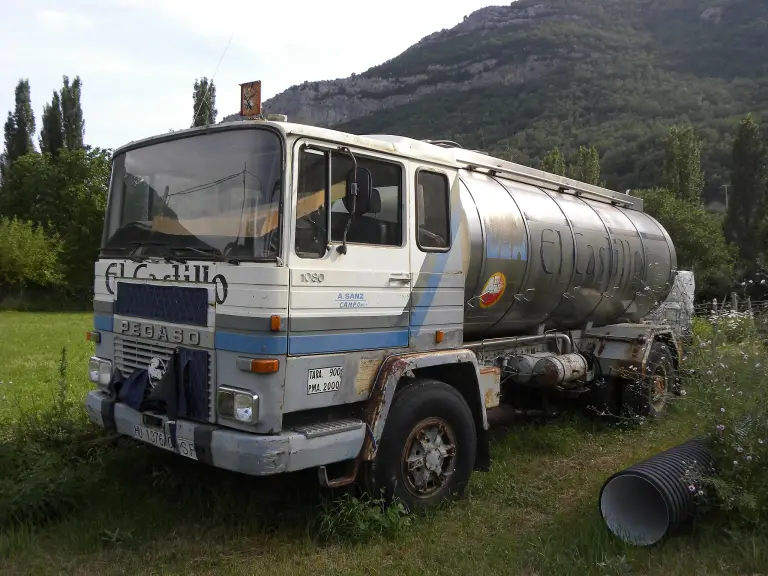
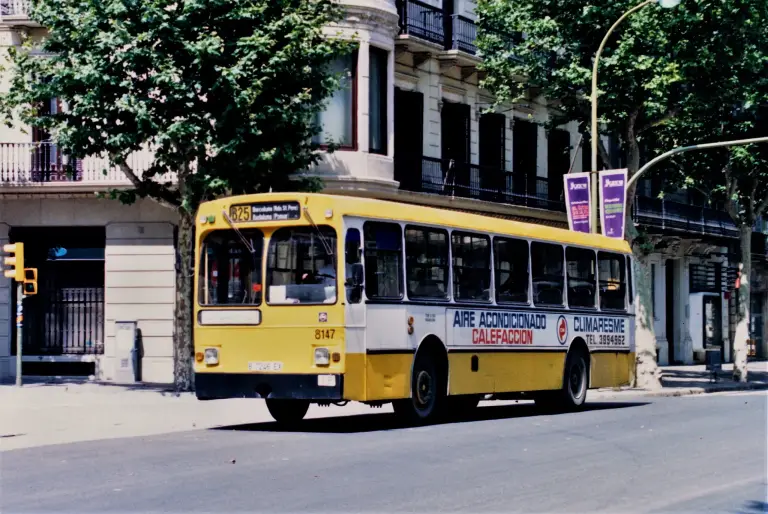
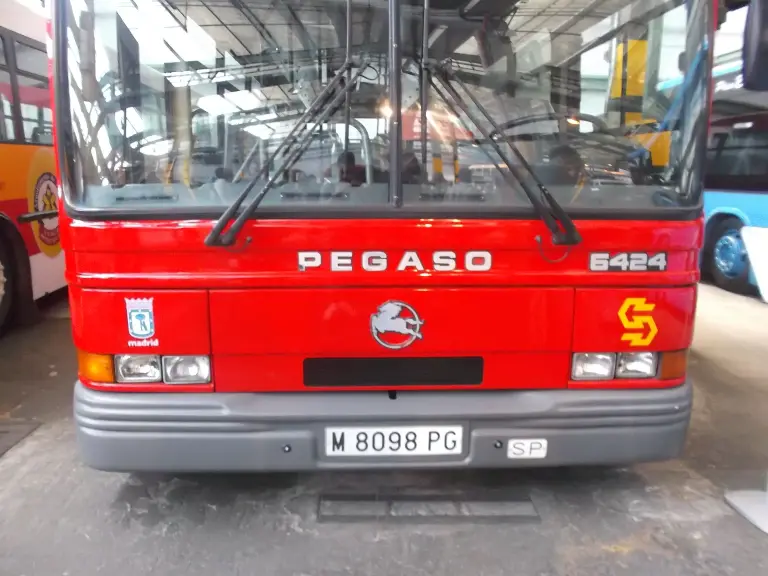
Pegaso was known for lorries and coaches, but for seven years it also built sports cars. The man behind them was Wifredo Ricart, the company’s chief technical manager and formerly chief engineer at Alfa Romeo, where he had designed the Tipo 512. The Z-102 began in 1951 as a pair of prototypes, a coupé and a drophead, both with steel bodies that proved too heavy, which led Pegaso to switch to alloy.
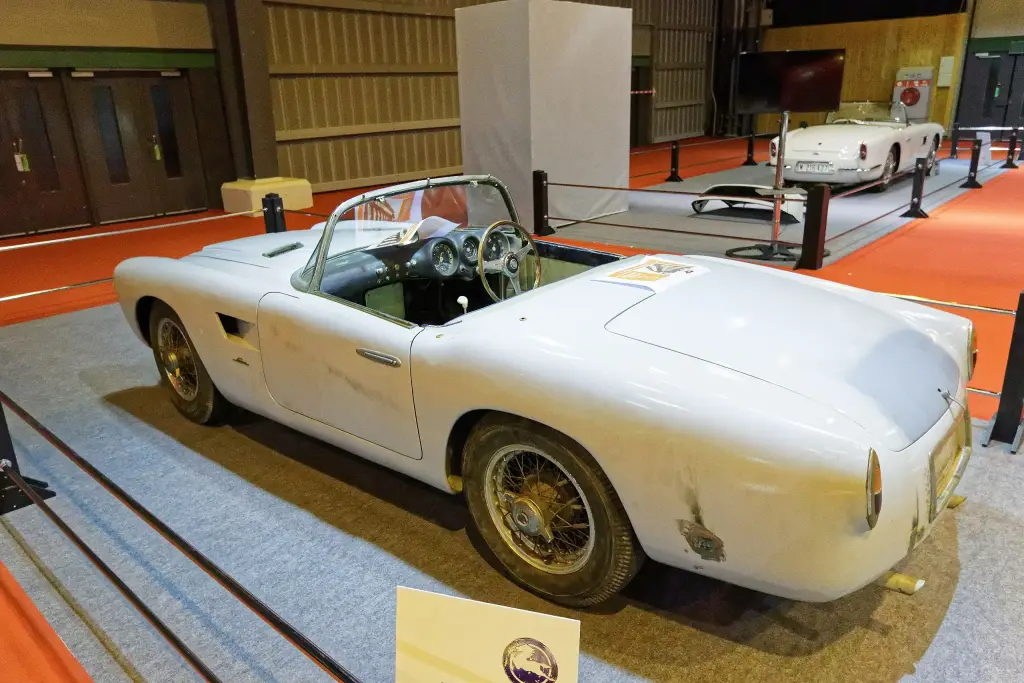
The car had a pressed steel chassis with an alloy body, almost everything made in-house in Barcelona except the coachwork. Production started with a four-cam all-alloy 2.5-litre V8 with dry-sump lubrication; later versions used 2.8- and 3.2-litre DOHC desmodromic 32-valve V8s with multiple carburettors or an optional supercharger. Output ran from 175 to 360 hp, sent to the rear wheels through a five-speed non-synchromesh transaxle.
The engineering was unusual throughout. The frame’s main beams had large lightening holes and the wheel wells under the body served as stressed members. The gearbox sat behind the differential inside a reverse A-frame whose apex was at the rear of the chassis, with a fuel tank on each side, and the De Dion rear suspension kept its tube in line with a small wheel running in a vertical channel on the differential instead of a Watt’s linkage or Panhard rod.
Most Z-102s carried Touring bodies, which developed Ricart’s design with a redesigned grille, a lower stance and cleaner details; 19 were bodied by ENASA itself, 11 of them Berlinettas, Saoutchik built 18 including three convertibles and one prototype, and Serra built a handful. ENASA also made the Cupola, designed from sketches by Spanish students, of which two were built and one survives in the Louwman Museum. Two Z-102s were entered for the 1952 Monaco Grand Prix and three for the 1953 Le Mans, though racing success was limited.
Built on a cost-no-object basis, the Z-102 proved too expensive to continue and was dropped after 1958. A simplified, cheaper Z-103 with 3.9, 4.5 and 4.7-litre engines followed but had little success: only three were built.
Design and features
- All-alloy V8: four overhead camshafts, dry-sump lubrication and, in later form, desmodromic valve gear.
- Five-speed transaxle: the gearbox behind the differential, in a reverse A-frame at the rear of the chassis.
- De Dion rear suspension: located by a small wheel running in a channel on the differential.
- Coachbuilt bodies: Touring, Saoutchik, Serra and ENASA, with the Touring design the best known.
- Genuine speed: 151 mph supercharged, making it one of the fastest production cars of its day.
Pegaso Z-102 versions
- 2.5-litre Z-102: the original four-cam engine with chain-driven camshafts.
- Competition engine: gear-driven camshafts, magneto ignition and 6,800 rpm.
- 2.8 and 3.2-litre cars: later DOHC desmodromic V8s up to 360 hp.
- Cupola: an ENASA-bodied design from student sketches, two built.
- Z-103: the simplified 3.9 to 4.7-litre successor, three built.
The coach that shared Pegaso’s engineering ambition is in Pegaso Z-403 Monocasco; the lorries that paid for the cars are in Pegaso Barajas; more under Pegaso.
Video: 1954 Pegaso Z 102 Series II Cabriolet by Saoutchik
Video by Cars & Travels ! – REMROB on YouTube.
Sources
- Pegaso Z-102, English Wikipedia: production, engines, chassis, coachbuilders, racing
- Pegaso, Spanish Wikipedia: the sports car programme and ENASA history