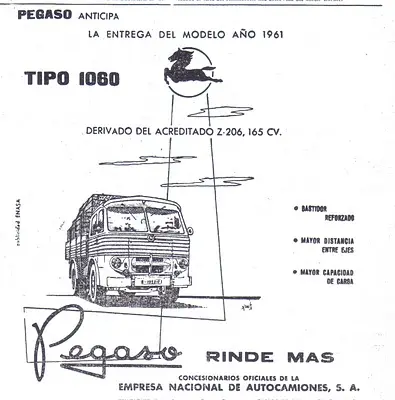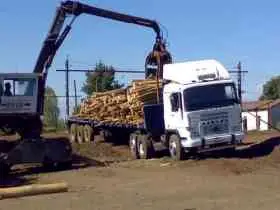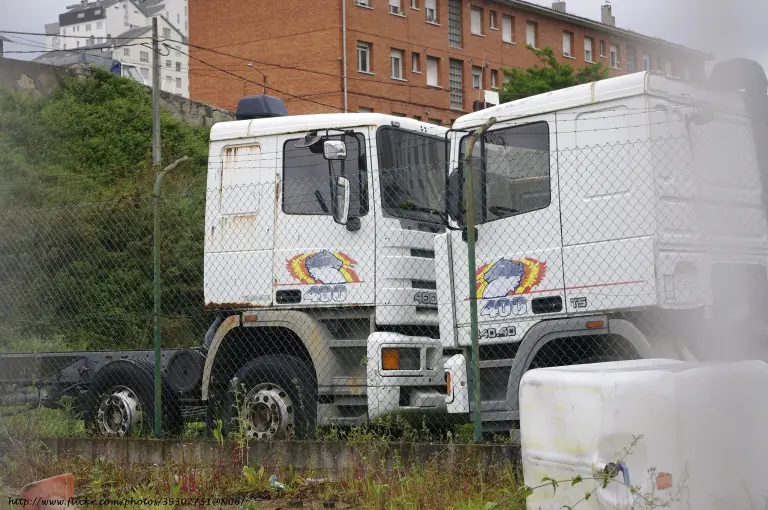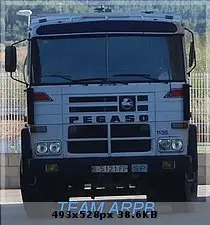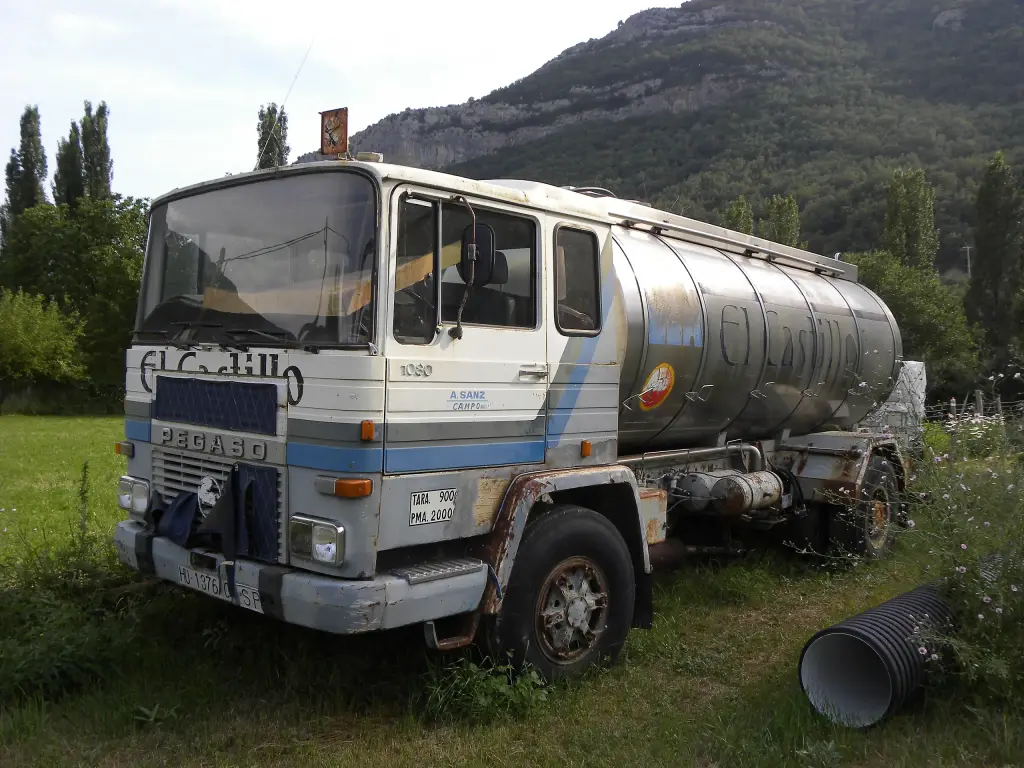
The Pegaso 1080 stands for a small block of numbered models, the 1083, 1086 and 1088, sold by ENASA alongside the 1060 and 2000 ranges. They belong to the years when Pegaso lorries were the backbone of Spanish freight traffic.
Pegaso 1080 at a glance
| Maker | ENASA, Barcelona and Madrid |
|---|---|
| Marque | Pegaso |
| Model numbers | 1083, 1086, 1088 |
| Period | 1960s and 1970s numbered range |
| Owner | ENASA until 1990, then Iveco |
| Marque production | over 350,000 vehicles, 1946–1990 |
| Peak year | more than 26,000 vehicles in 1974 |
| Main plant | Barajas, Madrid |
| Also built | light vehicles at Valladolid after the 1968 SAVA takeover |
The Wikipedia articles on Pegaso describe the marque and its ranges, not the 1080 models individually; everything here comes from those two articles.
History of the Pegaso 1080
Pegaso was created in 1946, when the Spanish state formed ENASA on the remains of Hispano-Suiza’s automotive business in Barcelona and put Wifredo Ricart in charge of engineering. The marque’s lorries were developed in-house, with Pegaso’s own engines and cabs, and by the 1960s the company covered everything from light vans to heavy tractors.
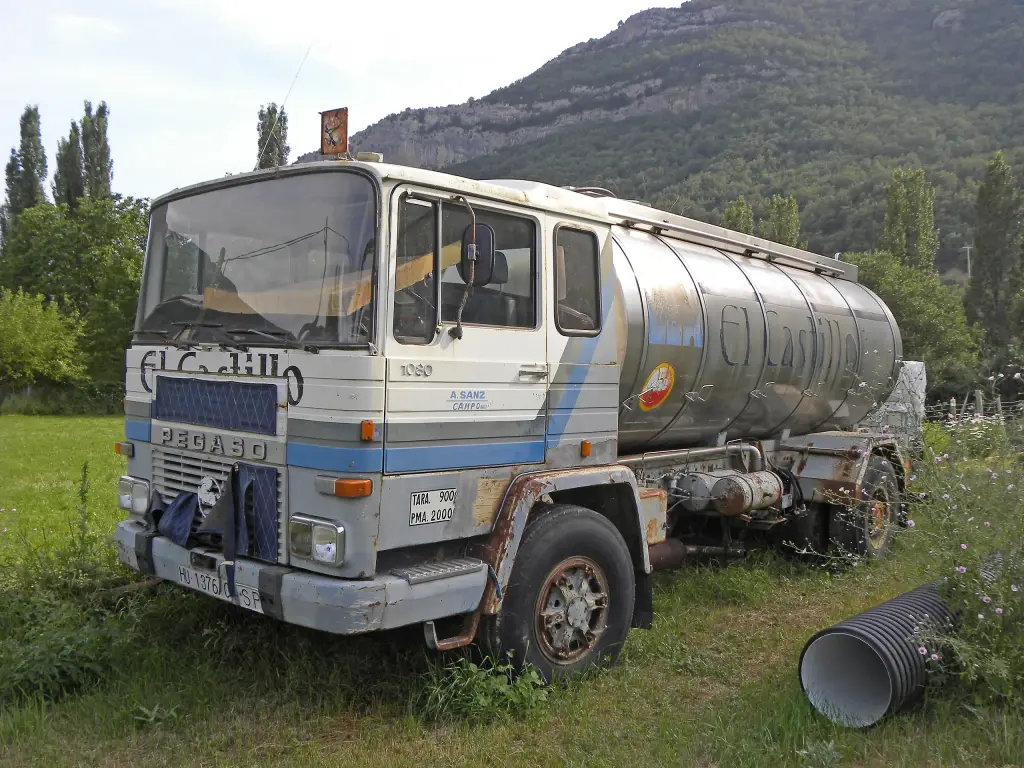
The 1080 numbers fall into the same system of closely spaced designations as the 1060 and 2000 models. Pegaso used these numbers to distinguish bodies, axle layouts and payload classes while keeping one basic engineering family, which is why so many of its lorries look alike and differ mainly in detail.
The 1970s were Pegaso’s strongest years: output peaked at more than 26,000 vehicles in 1974, and the company exported to Benelux, Venezuela and Cuba as well as selling across Spain. The 1990 sale of ENASA to Iveco ended the independent marque, and the last Pegaso engine was built in 1995.
Design and features
- Numbered designations: 1083, 1086 and 1088 differ in the digits that Pegaso used for body and weight class rather than in their basic layout.
- Own components: Pegaso engines and cabs, made in Barcelona and Madrid, rather than bought-in kits.
- Shared family looks: the 1960s and 1970s Pegaso cab carried across several model numbers.
- Export work: these lorries served the marque’s European and Latin American markets as well as Spain.
Pegaso 1080 versions
- 1083: first number of the block.
- 1086: middle member of the group.
- 1088: best known of the three, still seen at Spanish lorry rallies.
See also the 1060 range and the 2000 series, or the whole Pegaso collection.
Video: manejando pegaso 1088/60
Video by pegaso1088 on YouTube.
Sources
- Pegaso, English Wikipedia: history, production figures, exports
- Pegaso, Spanish Wikipedia: ENASA, plants, ranges, sale to Iveco