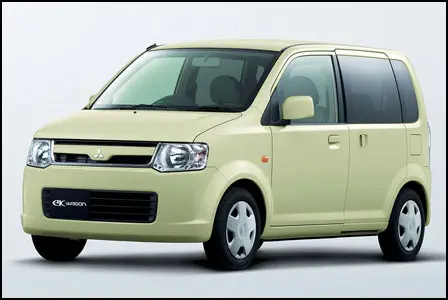
The Mitsubishi eK is a kei car series from Mitsubishi Motors and Nissan, based on the long-running Minica and first introduced on 11 October 2001. The name abbreviates excellent keijidōsha, or excellent minicar, and is meant to be pronounced ee kay, a pun on the Japanese words for a good kei car.
Mitsubishi eK at a glance
| Maker | Mitsubishi Motors, with Nissan versions |
|---|---|
| Introduced | 11 October 2001 |
| Type | kei car |
| Basis | the Minica it replaced |
| First versions | eK Wagon, eK Sport (2002), eK Classy (2003), eK Active (2004) |
| First engine | 3G83 three-cylinder, 50 PS, later 64 PS turbo |
| First sales | 13,000 in four days against a 10,000 monthly target |
| Nissan version | Otti from 2005, Dayz from 2013 |
| eK Space | tall version with sliding doors from 2014 |
| Award | Good Design Award 2001 |
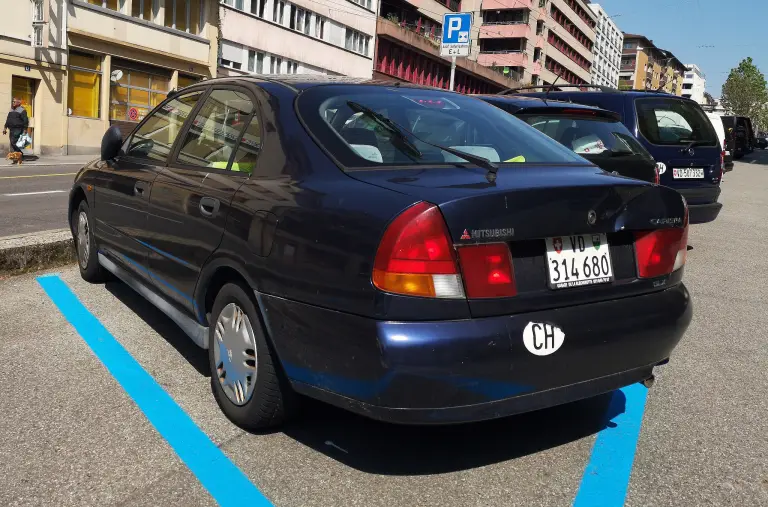
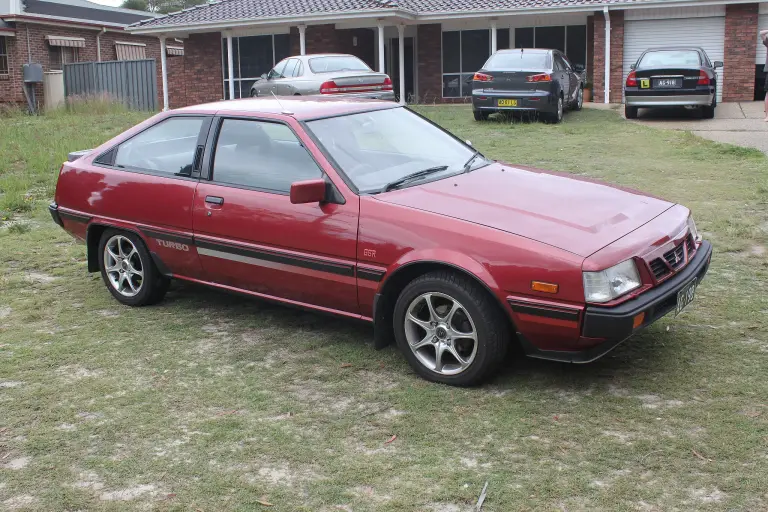
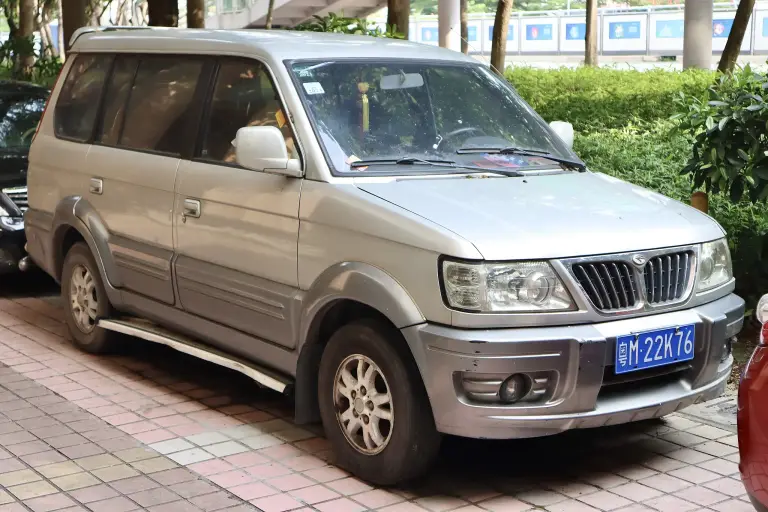
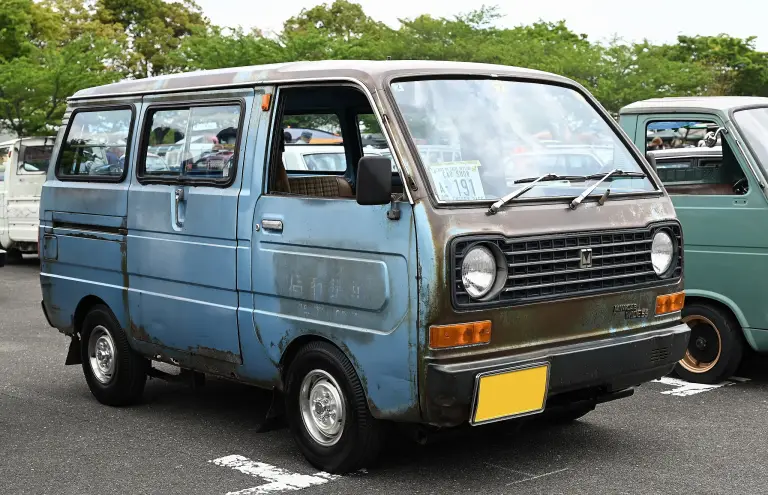
Based on one source: the English Wikipedia article on the Mitsubishi eK. No free photos of the model were found in the material, so the article keeps the earlier picture.
History of the Mitsubishi eK
A replacement for the Minica
The first generation came as the eK Wagon from 11 October 2001, the eK Sport from 2 September 2002, the eK Classy from 26 May 2003 and the eK Active from 25 May 2004. The eK Wagon launched with a single model, the M, plus an M+X package adding alloy wheels and cosmetic items. It had only the naturally aspirated 3G83 three-cylinder engine of 50 PS, with a 64 PS turbo added later on other models. The standard gearbox was a three-speed automatic with a column shift, a four-speed followed, and some models could have a five-speed manual with a floor shifter; most came with front- or four-wheel drive.
The car won the Good Design Award from the Japanese Ministry of Economy, Trade and Industry in 2001. Against a target of 10,000 a month, 13,000 were sold in the first four days and 20,000 by the end of October 2001, making it Mitsubishi’s highest-volume model in Japan, with about 480,000 sold by 2005. It was sold through the Car Plaza chain.
The crossover-styled eK Active arrived on 25 May 2004, shortly before the range was facelifted. It had 14-inch wheels, 10 mm more ground clearance and front seats 45 mm higher, dark grey body cladding for an off-road look, a different front end with the new corporate face conceived by Olivier Boulay, and a choice of naturally aspirated V or turbocharged VT engines with a four-speed automatic and optional four-wheel drive. A better-equipped eK Wagon G with the four-speed automatic was added in May 2003 as the M20G Thanks Edition marking 200,000 sales, and became a standard model that August. The eK Wagon was facelifted on 20 December 2004 and the eK Classy was discontinued on 20 December 2005.
Nissan and later generations
After Nissan agreed with Mitsubishi on 16 January 2005 to expand its OEM mini car range, Nissan released the Otti on 17 June 2005, sold through its Red Stage and Blue Stage dealers and differing from the eK Wagon and eK Sport only in grille design and colours. Nissan received 36,000 eK Wagons a year from 8 June 2005, and the Otti was replaced by the Dayz on 6 June 2013 and discontinued on 28 June 2013.
The second-generation eK Wagon and eK Sport were released on 13 September 2006 and facelifted on 21 August 2008, with a sliding door on the passenger side that was unusual for the class and was dropped for the third generation. A rebodied version of that generation became the fourth-generation Toppo. The third generation, with the new eK Custom, arrived in June 2013 as the first major design update since the car’s launch, with Nissan selling its version as the Dayz and the eK Custom as the Dayz Highway Star. A facelift followed in October 2015 and the Active Gear grade in December 2017. The taller eK Space with rear sliding doors appeared in 2014, with Nissan versions called the Dayz Roox and later the Roox.
The fuel economy scandal
In April 2016 Mitsubishi announced that it had found improper fuel-economy testing affecting several kei models, including the eK, eK Space and the Nissan Dayz and Dayz Roox it supplied. Employees had manipulated fuel-consumption data using methods that did not comply with Japanese regulations, and about 625,000 vehicles were affected, including those supplied to Nissan. The disclosure caused a sharp fall in Mitsubishi’s share price and widespread criticism of its corporate governance and quality control, and a government investigation led the company to admit that improper testing had been used for decades on some models.
Design and features
- Excellent kei: the name is a pun on a good kei car.
- Sales hit: 13,000 sold in four days in 2001.
- Nissan twins: the Otti, then the Dayz and Dayz Roox.
- eK Space: a taller version with sliding doors from 2014.
- Fuel economy scandal: about 625,000 cars affected in 2016.
Mitsubishi eK versions
- eK Wagon (2001): the original model.
- eK Sport (2002): sportier version with the turbo engine.
- eK Classy (2003) and eK Active (2004): luxury and crossover styles.
- Nissan Otti (2005): OEM version.
- eK Custom and Dayz (2013): third generation.
- eK Space (2014): tall body with sliding doors.
The eK replaced the Minica, and its commercial relative is the Minicab. Its electric sibling is described in the i-MiEV page, and more cars are in the Mitsubishi collection.
Sources
- Mitsubishi eK, English Wikipedia: versions, engines, Nissan twins, fuel economy scandal