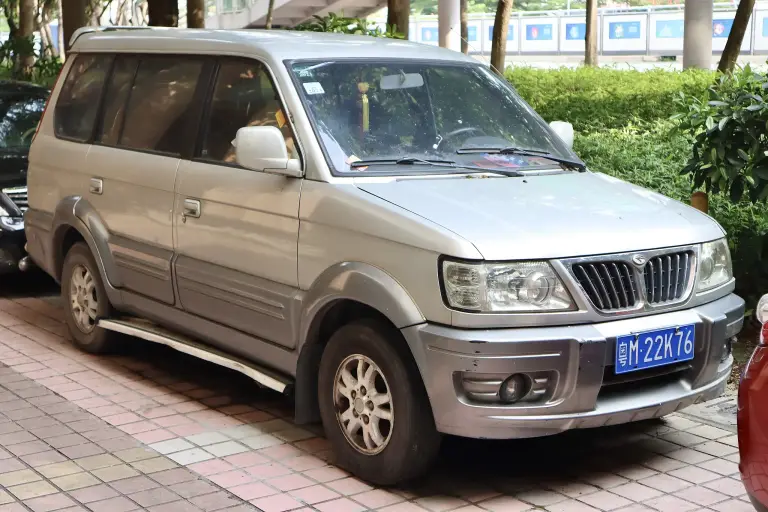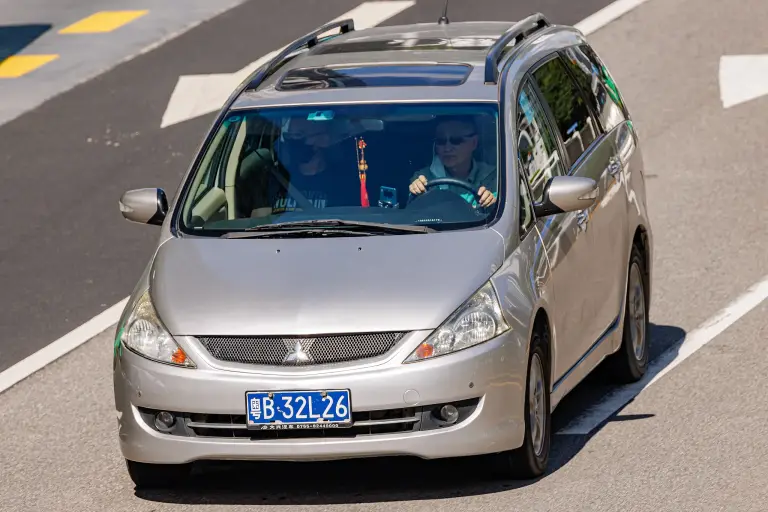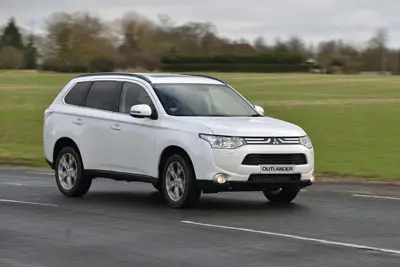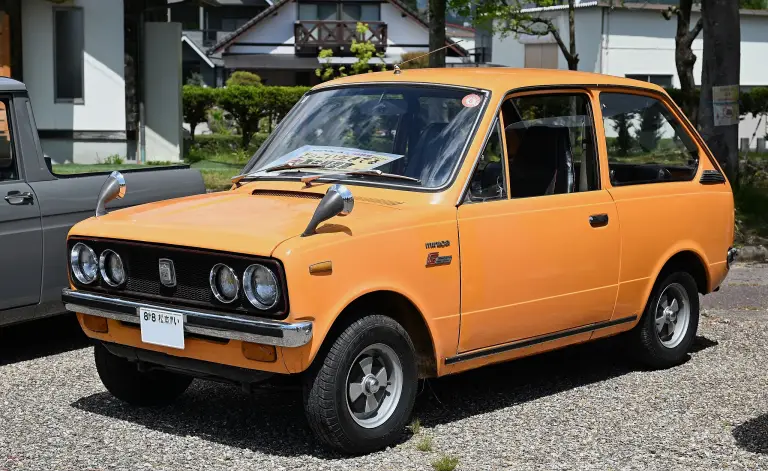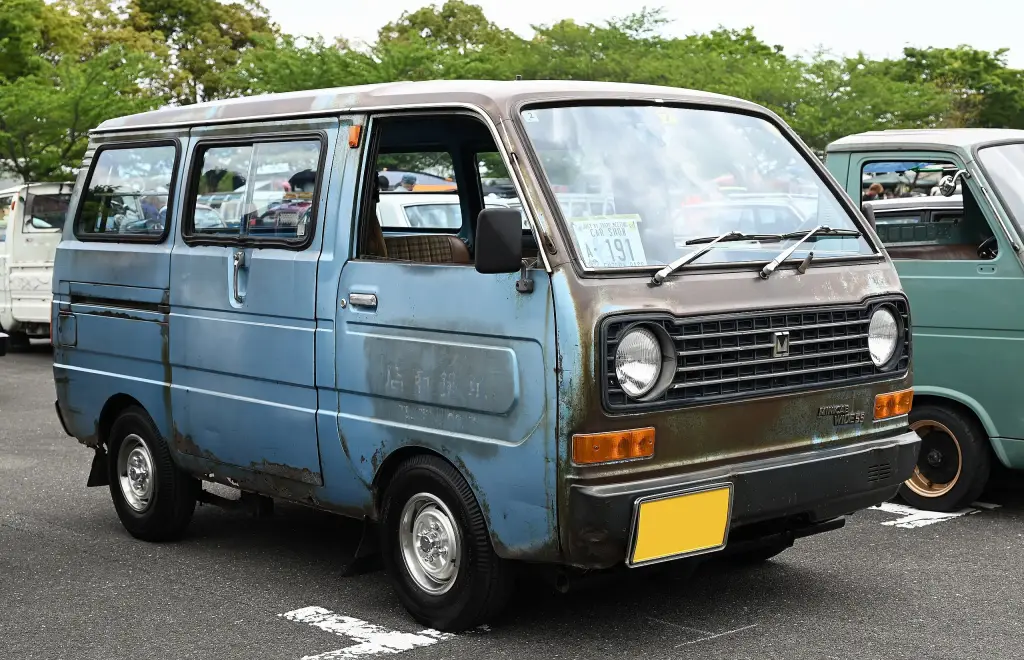
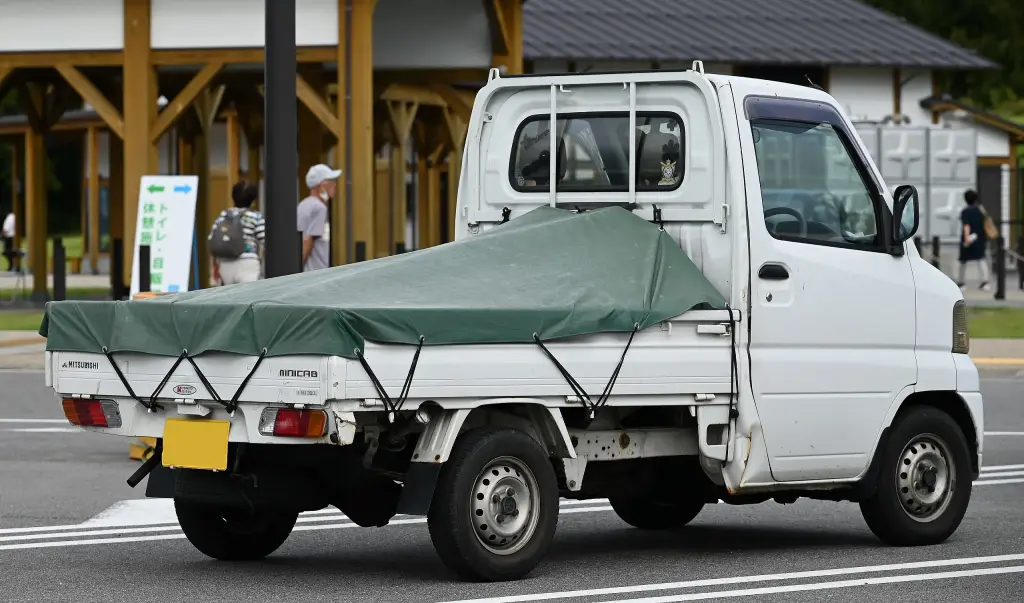
The Mitsubishi Minicab is a kei truck and microvan built and sold in Japan since 1966, at first through the Galant Shop dealership chain. It was also sold by China Motor Corporation in Taiwan as the CMC Veryca from 1985, and a battery electric version called the Minicab MiEV has been on sale since December 2011.
Mitsubishi Minicab at a glance
| Maker | Mitsubishi Motors |
|---|---|
| Production | since 1966 |
| Type | kei truck and microvan |
| First generation | LT30, 1966, 359 cc air-cooled two-stroke |
| First generation built | about 224,766 |
| Second generation | T130, May 1971 |
| Second generation built | just under 210,000 |
| Third generation | L012, L013, L015, from April 1976 |
| Third generation built | 768,393 |
| Export name | L100 in some markets |
| Four-wheel drive | from 1982 |
| Electric | Minicab MiEV, December 2011 |
Based on one source: the English Wikipedia article on the Mitsubishi Minicab, of which the material available covers the first four generations in detail.
History of the Mitsubishi Minicab
An air-cooled kei truck
The cab-over Minicab pickup was launched in 1966 to replace the 360 trucklet, which by then had taken the same name as the Minica sedan. Coded LT30, it shared that car’s air-cooled two-stroke 359 cc ME24 engine and had cargo gates on three sides to simplify loading. A van version followed in 1968 in four equipment levels. The T30 truck was replaced in 1971 by the Minicab EL, but the van stayed in production with a dummy grille and headlight surround, and the air-cooled van with its 26 PS ME24E engine lasted until 1976 with almost no changes apart from a 1974 adjustment for larger number plates; the Super Deluxe used the 30 PS ME24F. About 224,766 first-generation Minicabs were built.
Second and third generations
In May 1971 came the first model change. The Minicab EL, coded T130, had a new interior and a longer bed, and was sold only as a truck while the old LT30 van carried on until 1976. Its reed-valve ME24 engine produced 30 PS in every version, and the front suspension changed to wishbones with leaf springs at the rear. A panel box van joined in September 1972, when the Minicab W with the water-cooled 2G10 engine appeared, carrying the T131 chassis code and marked by a prominent W under the left headlight. A 1975 update added MCA emissions technology, kept output at 28 PS, and brought larger yellow kei plates, while three-point belts became standard on the Super Deluxe. Just under 210,000 second-generation Minicabs were built, the slowest-selling generation.
In April 1976 the third generation arrived. The Minicab 5, code L012, grew in length and used the 471 cc Vulcan S engine, with a windscreen defroster, a central console box and central ventilation. In April 1977 it was widened and given a full 546 cc engine as the Minicab Wide 55, code L013, with 29 PS. In 1981 the engine changed to the timing-belt G23B with 31 PS, the name returned to plain Minicab and the code became L015. Export cars were sold as the Mitsubishi L100 in markets such as Chile and Argentina, with a 644 cc 2G24 engine and small 650 badges, and in China the third generation was built as the Shenwei SYW 1010 and the Liuzhou Wuling LZ 110. The flat-floor van received double-walled construction in 1982, the same year four-wheel drive was introduced and the range was facelifted. A total of 768,393 third-generation Minicabs were built.
Later generations
The fourth generation of June 1984, the U11 and U12 series for two- and four-wheel drive, brought angular headlamps, larger windows, a rear wiper, an electronically locking tailgate and power brakes, with fifteen van variants and ten trucks. Later generations followed the Minica in parallel. Since February 2014 the Minicab has been a rebadged Suzuki Carry or Every, with the exception of the electric Minicab MiEV, which has been sold in Japan since December 2011.
Design and features
- Air-cooled start: the first Minicab shared the Minica’s 359 cc two-stroke engine.
- Three generations of growth: from the LT30 to the 768,393-strong L015.
- L100 export: sold abroad with a 644 cc engine and 650 badges.
- Four-wheel drive: offered from 1982.
- Suzuki base: a rebadged Carry since 2014, except for the electric MiEV.
Mitsubishi Minicab versions
- LT30 (1966): first-generation air-cooled truck and van.
- T130 (1971): second generation with wishbone front suspension.
- Minicab W (1972): water-cooled 2G10 version.
- Minicab 5 and Wide 55: third generation with larger engines.
- L100: export version with the 644 cc engine.
- Fourth generation (1984): U11 and U12, with four-wheel drive.
- Minicab MiEV (2011): battery electric version.
The Minicab is the commercial twin of the Minica, and its Taiwanese descendant is the CMC Veryca. More vehicles are in the Mitsubishi collection.
Sources
- Mitsubishi Minicab, English Wikipedia: generations, engines, production totals, MiEV