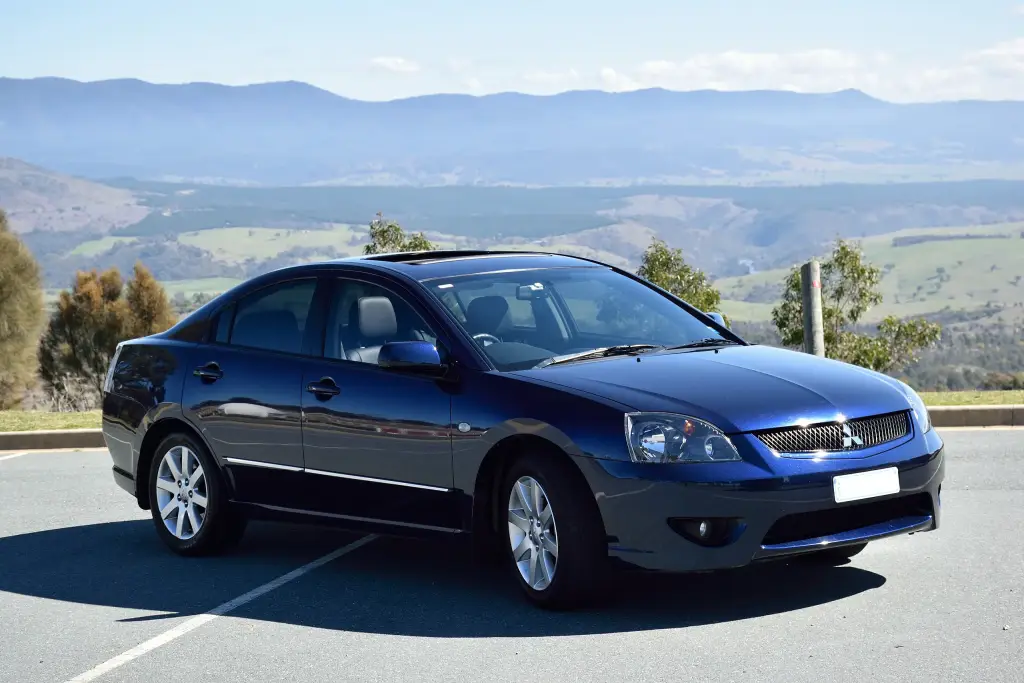
The Mitsubishi 380 is a mid-size sedan produced by Mitsubishi Motors Australia between 2005 and 2008. It replaced the Magna and Verada, was built only as a four-door sedan, and marked the end of car manufacturing by Mitsubishi in Australia.
Mitsubishi 380 at a glance
| Maker | Mitsubishi Motors Australia, Clovelly Park, Adelaide |
|---|---|
| Production | October 2005 – March 2008 |
| Model code | DB |
| Body | four-door sedan only |
| Based on | ninth-generation Mitsubishi Galant |
| Engine | 3.8-litre V6 |
| Drive | front-wheel drive |
| Development cost | over A$600 million |
| Series II | April 2006 |
| Series III | 29 July 2007 |
| Built | 32,044 |
| Sold in Australia | 30,195 |
| Predecessor | Magna and Verada |
Based on one source: the English Wikipedia article on the Mitsubishi 380.
History of the Mitsubishi 380
Approved in 2002
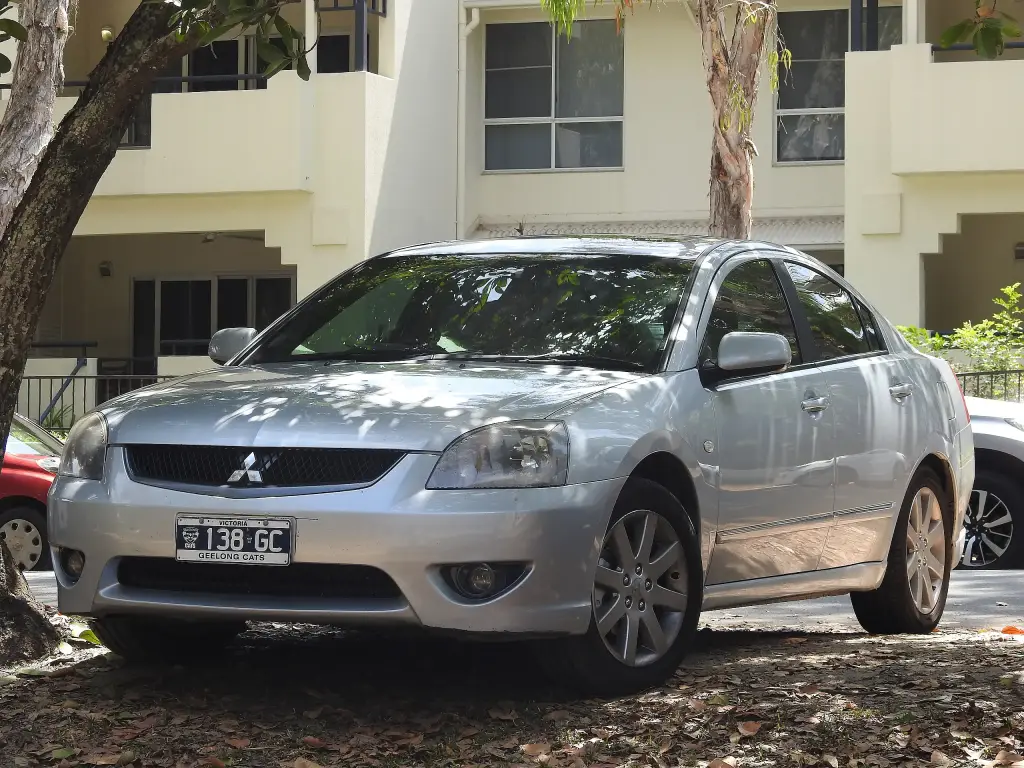
Development began in 2002, when Mitsubishi executives in Japan allowed the Australian subsidiary to work on two related cars. The first was a right-hand-drive version of the ninth-generation Galant, codenamed PS41, as a replacement for the Magna and Verada. The second was a long-wheelbase PS41L planned for 2007 in both left- and right-hand drive. As Mitsubishi’s finances worsened and DaimlerChrysler pulled out of its alliance with the company, PS41L was abandoned in 2004 and even PS41 looked doubtful.
Research in mid-2004 found that 84 per cent of Australians believed Mitsubishi would stop building cars in the country. To restore confidence, television commercials from December 2004 promoted an industry-first five-year, 130,000-kilometre warranty, and the company spent A$600 million on the project, including A$250 million on upgrading the Adelaide plant. A new body press formed each body side from a single piece of steel, holding body-to-body variation to 0.7 mm instead of the 1 to 1.5 mm then usual.
A Galant underneath
The name 380 was chosen to make a fresh start, since Magna had become associated with a slow-selling car long overdue for replacement; Magna was not even on the shortlist of seven names from 220. Mitsubishi said the number suggested high technology, European standards and a large 3.8-litre engine.
The car was heavily based on the American-designed Galant, but about 70 per cent of it was changed for Australia. The floorpan was reworked at the rear for a full-size spare wheel, the rear side members were strengthened for towing, and body rigidity was increased for local roads. The front end was redesigned after DaimlerChrysler’s departure ended the Olivier Boulay-designed look, with the base and mid-range models drawn by the Japanese studio and the sports and upper-luxury versions conceived locally.
Short life
The 380 was labelled a make-or-break model even before its launch in October 2005. Sales started slowly, and the Series II of April 2006 cut the price of the entry model by nearly 20 per cent. A Series III with mainly cosmetic changes arrived on 29 July 2007. Neither lifted sales enough, production was never profitable, and Mitsubishi stopped building the car in March 2008 after just under three years. A total of 32,044 were made and 30,195 were sold in Australia.
Design and features
- Australian-built: the last passenger car produced by Mitsubishi in Australia.
- Galant base: the American ninth-generation Galant platform, re-engineered for local roads.
- 3.8-litre V6: the engine that gave the car its name.
- Single body: a sedan was the only version offered.
- Short run: three series in under three years.
Mitsubishi 380 versions
- 380 (2005): the original range.
- Series II (April 2006): entry model price cut by nearly 20 per cent.
- Series III (July 2007): mainly cosmetic changes.
- GT and GT-L: the sports and luxury versions with locally designed front ends.
The 380 followed the Magna and was based on the Galant. The earlier Australian large car was the V3000, and more cars are in the Mitsubishi collection.
Sources
- Mitsubishi 380, English Wikipedia: development, design, production figures