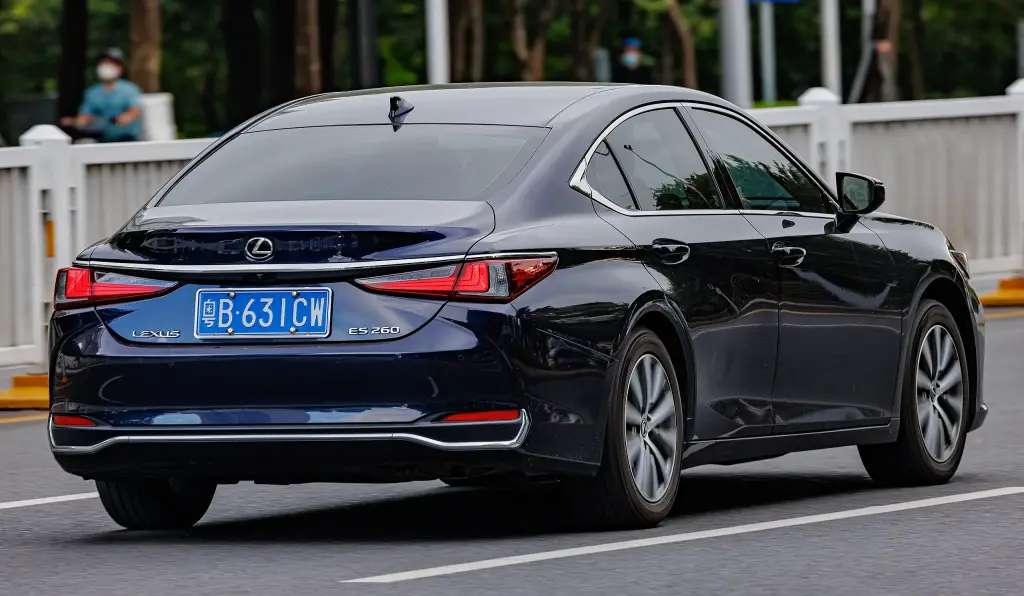
The Lexus ES is a luxury sedan sold since 1989 across several generations. It has always been front-wheel drive, for five generations it used the Toyota Camry platform, and it has been the best-selling Lexus sedan in the United States for more than fifteen years.
Lexus ES at a glance
| On sale since | 1989 |
|---|---|
| Class | entry-level luxury sedan |
| Layout | front engine, front-wheel drive |
| Platform | Toyota Camry for the first five generations |
| First model | ES 250 (V20), January 1989 |
| ES 250 engine | 2.5-litre V6, 116 kW (156 hp) |
| ES 250 gearbox | four-speed automatic or five-speed manual |
| US base price | about $22,000 in 1989 |
| ES 250 production | June 1989 to 5 July 1991 |
| Hybrid | from 2012 |
| Later generations | related to the Camry and the Avalon |
| Name | Executive Sedan; some importers say Elegant Sedan |
based on one source (English Wikipedia)
History of the Lexus ES
The ES was developed quickly so that Lexus would not launch with a single model, the LS 400. The first generation, the ES 250, debuted at the North American International Auto Show in Detroit in January 1989. It was based on the Japanese-market Camry Prominent and Vista, and its 2.5-litre V6 was aimed directly at the Acura Legend. Design patents were filed in Japan on 17 November 1987, and both the ES 250 and the LS 400 went on sale in the United States in September 1989.
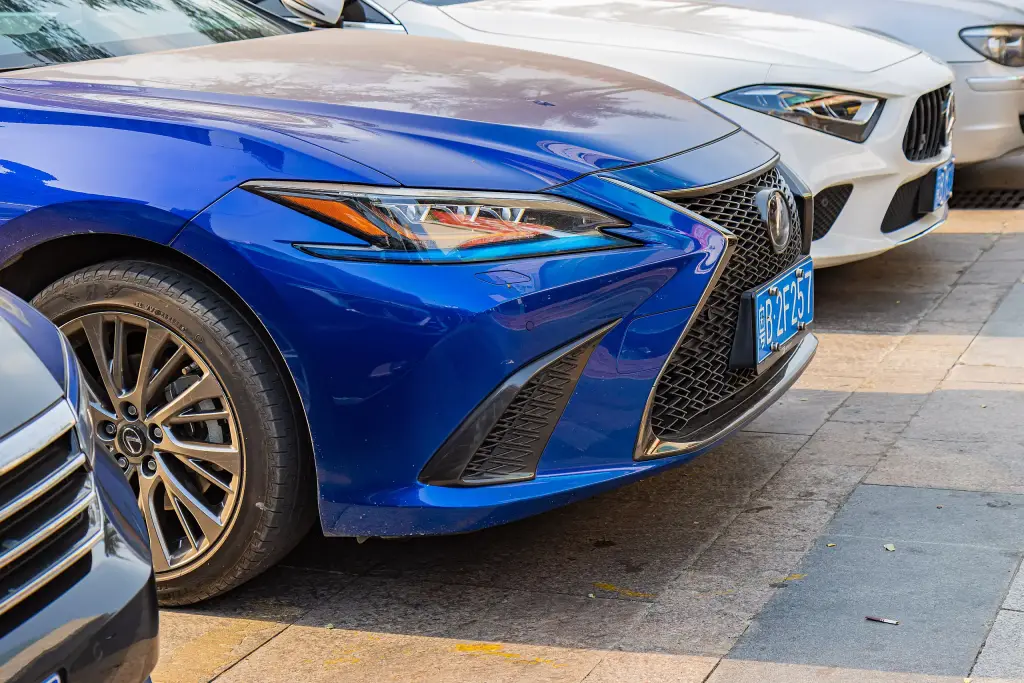
Outside, the ES 250 shared the body and dimensions of its Toyota relatives but had a more prominent grille, larger tail lights, chrome trim, frameless windows and its own wheel design. Inside there was a six-speaker Pioneer sound system, wood trim, one-touch windows and leather seats, with a four-speed automatic or a five-speed manual. Safety equipment included a driver’s airbag and anti-lock brakes. The car cost about $22,000 and logged 1,216 sales in its first month, though the LS 400 sold far better. Production ran from June 1989 to 5 July 1991, with 19,534 cars built in 1990 and 17,942 in 1991.
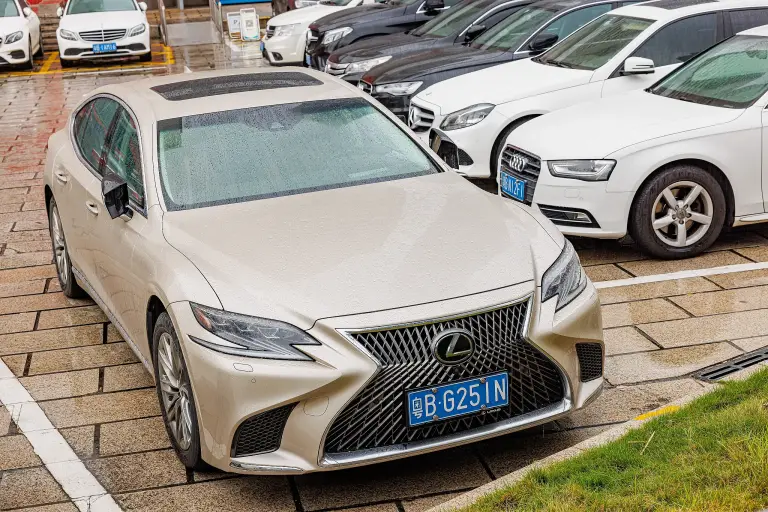
A second generation ES 300 followed in 1991, a third in 1996 and a fourth, the ES 300 and ES 330, in 2001. In Japan the same cars were sold as the Toyota Windom until the fifth generation of 2006, which introduced the L-finesse styling. The sixth generation arrived in 2012 as a 2013 model with a longer wheelbase shared with the Avalon, a hybrid version was added in 2012, and the seventh generation finally brought the ES to Europe in place of the GS. The ES has always been tuned for comfort, quietness and ride quality rather than sporty handling.
Design and features
- Comfort first: the ES was positioned in the comfort luxury class, with quietness and ride quality above handling.
- Camry foundations: five generations used the Toyota Camry platform, which kept the car simple and roomy.
- Front-wheel drive: the ES was Lexus’s only front-wheel-drive model until the RX arrived in 1998.
- Hybrid and electric: a petrol-electric ES arrived in 2012 and a battery-electric version in 2025.
- Sales success: in the United States the ES has been the best-selling Lexus sedan for over fifteen years.
Lexus ES versions
- ES 250 (1989): the first generation, with a 2.5-litre V6 and optional five-speed manual.
- ES 300 (1991 and 1996): the second and third generations.
- ES 300 and ES 330 (2001): the fourth generation.
- ES 350: the V6 model of the later generations.
- ES 300h: the hybrid introduced in 2012.
- Eighth generation: the first without a V6, with a battery-electric version added in 2025.
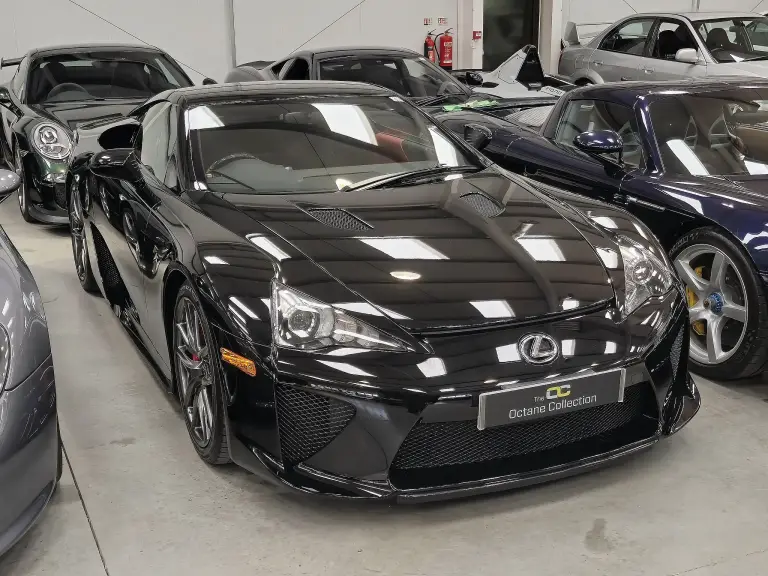
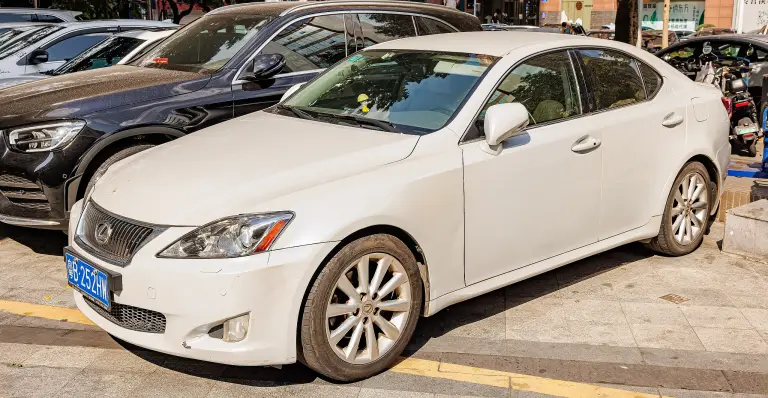
The ES was one of the two cars that launched Lexus together with the LS 400, and it eventually replaced the GS in Europe. The sportier member of the range is the IS; more cars are in the Lexus collection.
Sources
- Lexus ES, English Wikipedia: origins, first generation, generations, positioning