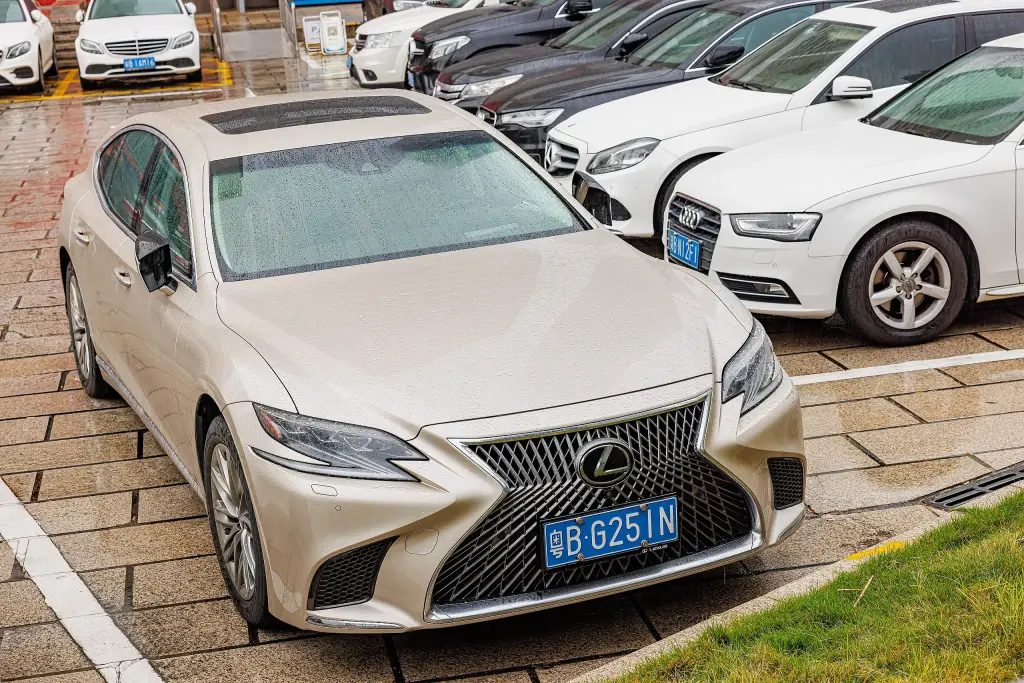
The Lexus LS is a line of full-size luxury sedans that has been the flagship of Lexus since 1989. The first LS 400 was the car for which the brand was created, and later generations brought long-wheelbase bodies, hybrid power and, from the fifth generation, a V6.
Lexus LS at a glance
| Class | full-size luxury sedan, Lexus flagship |
|---|---|
| Since | 1989 |
| Generations | five |
| First model | LS 400, January 1989, Detroit |
| Production began | 15 May 1989, Tahara |
| First engine | 4.0-litre 1UZ-FE V8, 180 kW (242 hp) |
| Torque | 350 N·m (258 lb·ft) |
| Gearbox | four-speed automatic with ECT-i |
| 0-100 km/h | 8.5 seconds |
| Top speed | 250 km/h (155 mph) |
| Drag coefficient | Cd 0.29 |
| Japanese version | Toyota Celsior until 2006 |
based on one source (English Wikipedia)
History of the Lexus LS
Development began in August 1983, when Toyota chairman Eiji Toyoda started the F1 project, a secret programme for a world-class luxury sedan. There was no fixed budget or deadline, and the car used no existing Toyota platform. Chief engineer Ichiro Suzuki aimed to beat American and European flagships in aerodynamics, quietness, top speed and fuel economy; the programme used 60 designers, 1,400 engineers in 24 teams, 2,300 technicians, about 450 prototypes and 900 engine prototypes, and covered 2.7 million kilometres of testing.
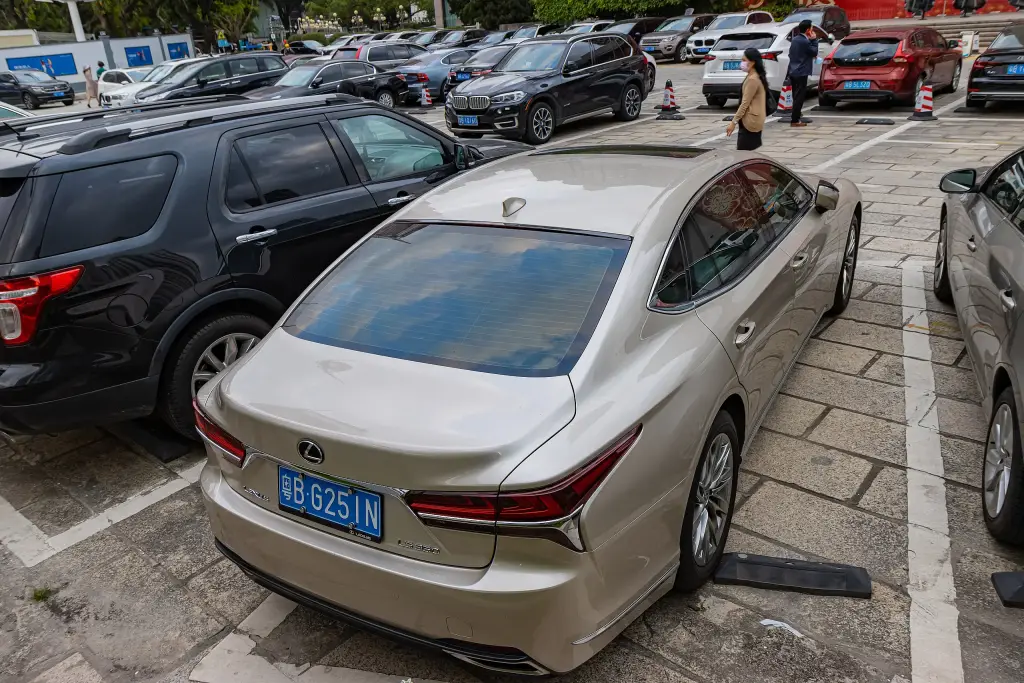
The LS 400 made its debut at the North American International Auto Show in Detroit in January 1989 as a 1990 model. Production started on 15 May 1989, the first cars were available in August and American sales began on 1 September 1989, with limited exports to Australia, Canada and the United Kingdom from 1990. Output was held to about 50,000 cars a year to protect quality, 40,000 of them for the United States. The new 4.0-litre 1UZ-FE V8 gave 180 kW (242 hp) and 350 N·m through a four-speed automatic, with double-wishbone suspension and optional air suspension; the car reached 100 km/h in 8.5 seconds and 250 km/h, and its cabin measured 58 dB at 100 km/h.
A second generation arrived in November 1994 and the LS 430 in January 2000. The LS 460 and LS 460 L of 2006 introduced the first production eight-speed automatic and an automatic parking system, and in 2007 the LS 600h and LS 600h L added V8 hybrid power. Every generation has been built at Tahara in Aichi, and in Japan the early cars were sold as the Toyota Celsior until the Lexus marque arrived there in 2006. The fifth generation switched to a V6 with no V8 option and a single body length.
Design and features
- The F1 project: an open-ended, billion-dollar programme with no shared Toyota parts.
- Quiet cabin: 58 dB at 100 km/h, quieter than its BMW and Mercedes-Benz rivals.
- Aerodynamics: a drag coefficient of 0.29 for the original LS 400.
- Technology firsts: the LS 460 brought the first production eight-speed automatic and automatic parking.
- Hybrid flagship: the LS 600h of 2007 paired a V8 with electric power.
Lexus LS versions
- LS 400 (1989): the original V8 flagship.
- LS 430 (2000): the third generation.
- LS 460 and LS 460 L (2006): the fourth generation, with long-wheelbase and eight-speed options.
- LS 600h and LS 600h L (2007): V8 hybrid versions.
- Fifth generation: a V6 engine and a single body length.
The LS was launched together with the front-wheel-drive ES, and the sporting member of the range below it is the GS. The supercar that followed decades later is the LFA; more cars are in the Lexus collection.
Sources
- Lexus LS, English Wikipedia: F1 project, first generation, generations, production