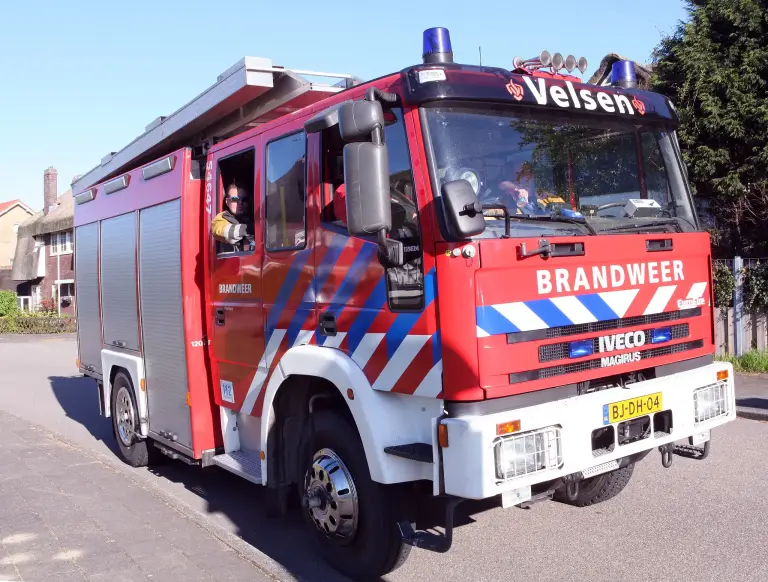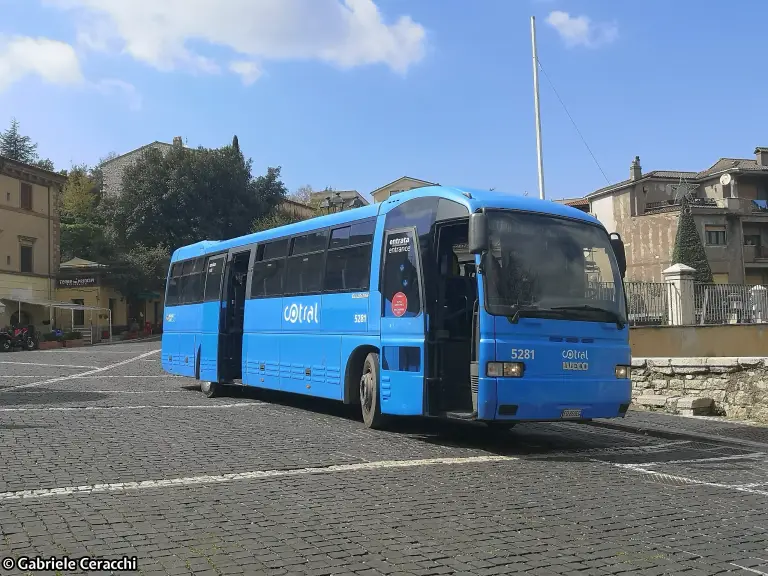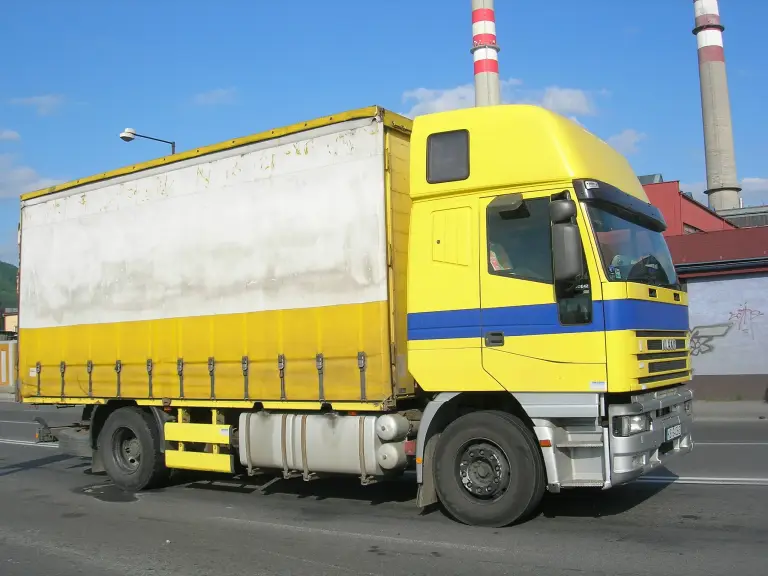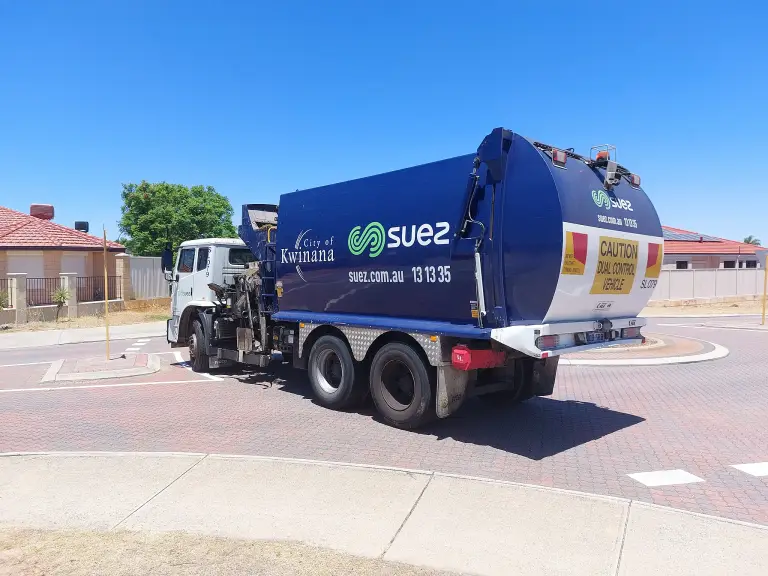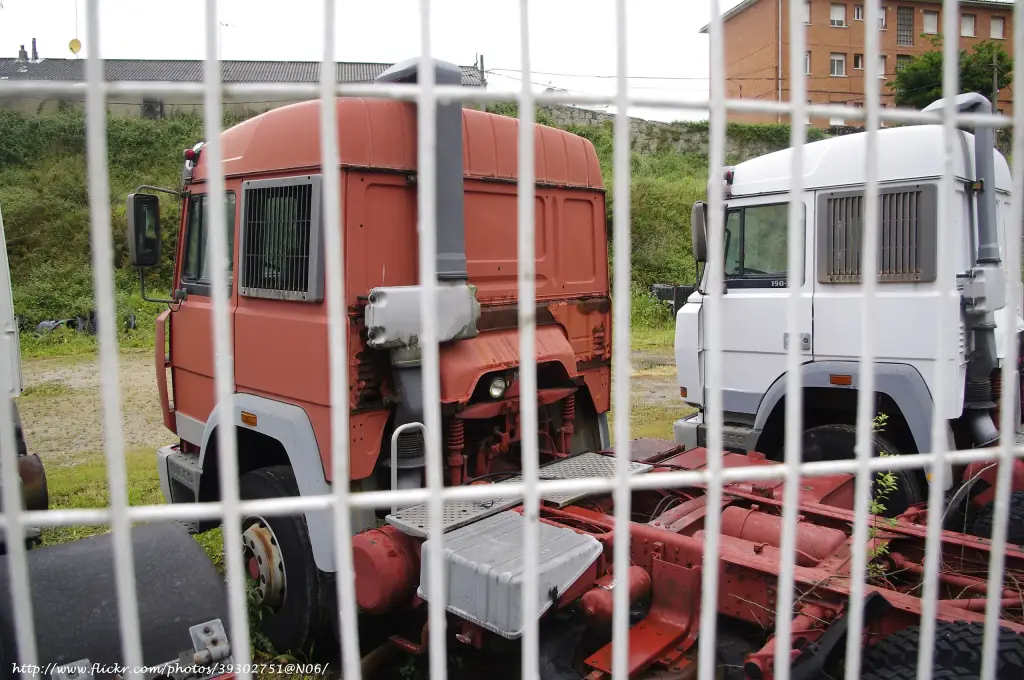
The Iveco Zeta is a light and medium lorry that appeared in 1976 and entered production in 1977. Its cab was developed with the help of Fiat’s wind tunnel at Orbassano. It continued the line begun by the OM Lupetto in 1959 and was itself replaced by the new Iveco Eurocargo in 1991.
Iveco Zeta at a glance
| Maker | Iveco |
|---|---|
| Shown | 1976, in production from 1977 |
| Predecessor | OM X-series of 1972, itself following the 1959 Lupetto |
| Replaced by | Iveco Eurocargo in 1991 |
| Badges | Fiat, OM, Unic, Magirus-Deutz, Saurer, then Iveco |
| Weight range | 5 to 10 tonnes |
| Naming | gross weight in hundreds of kilograms, then power in tens of hp, as in 50.10 |
| Cab | single or double, with a raised roof on some vans; tilting on heavier models |
| Engines at launch | three, later more; Deutz air-cooled four of 4.1 litres in Magirus versions |
| TurboZeta | from 1987, 3.9-litre turbo four of 101 or 116 hp |
| Licensed production | Zastava in Serbia and Otoyol in Turkey |
| Also built | a country version, a tractor unit and the 79 with a tilting cab |
History of the Iveco Zeta
The Zeta continued the line that began with the OM Lupetto in 1959. The Lupetto, the Leoncino, the Daino and the Tigrotto were all replaced by the OM X-series in 1972, and that range became the basis for the Zeta. In practice the Zeta was a restyling of the earlier S-series, with a cab developed with the help of Fiat’s wind tunnel at Orbassano.
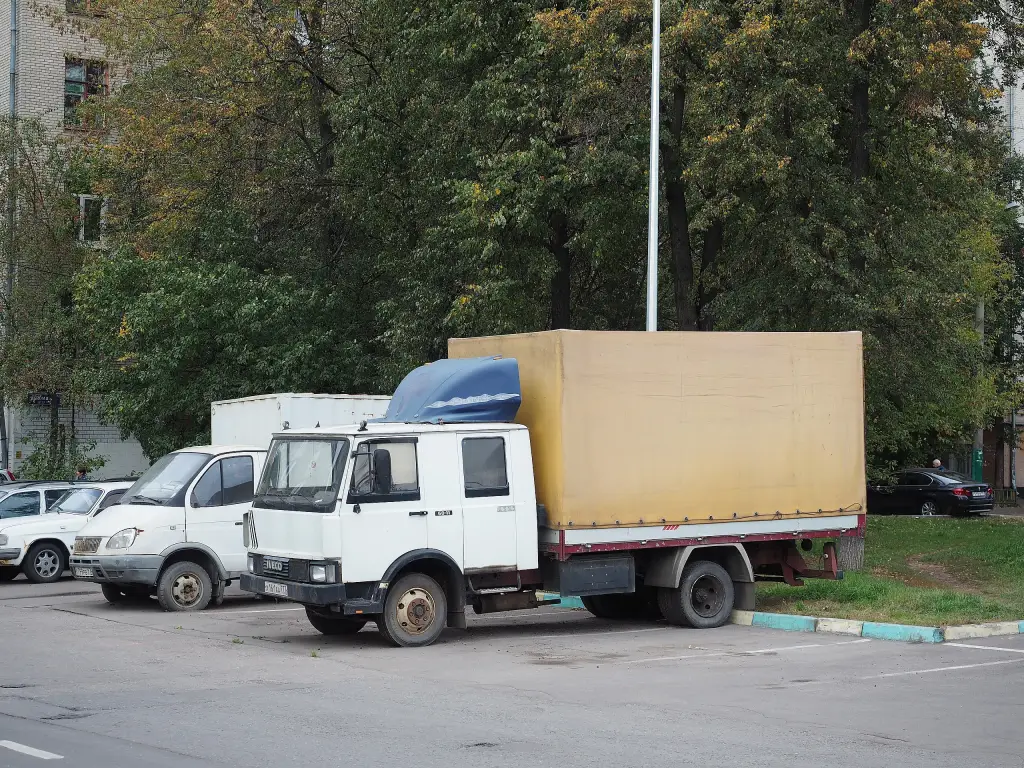
It was first sold with Fiat or OM badges and a number giving the gross tonnage, from the 5 to the 10-tonne OM 50 to 100. In France it was marketed by Unic, which had been part of Fiat since 1966 and merged with Iveco in 1975, in Germany as a Magirus-Deutz with air-cooled Deutz engines and in Switzerland as a Saurer-OM or Saurer-Fiat, also available with a Saurer engine. The unified Iveco name came in gradually from 1979, keeping a hyphenated OM or Fiat during the change, and the process was complete by 1982. After Iveco took over Ford’s European truck operations in 1986 the Zeta appeared in Britain with combined Ford and Iveco badges.
The lorry was offered in a great many configurations because it had to replace several different ranges from different makers: three engines and four wheelbases at first, single and double cabs and van models with a raised roof, and a tilting cab on the 7.9-tonne 79 that was standard on the heavier models. A light facelift and a reshuffle of the range came in 1979. The naming system used two sets of numbers divided by a full stop: the first gave the gross weight in hundreds of kilograms and the second the power in tens of horsepower, so a five-tonner with a 100 hp engine was a 50.10, and a tractor version of the 50.10 was also available.
Magirus-Deutz versions with the 4.1-litre air-cooled Deutz F4L913 engine of 87 hp were called 90D or 90M, with the weight in tonnes after the letters, from the 90D5.2 to the 90M7.9; they were dropped in 1983. In 1987 came the TurboZeta with turbocharged versions of the 3.9-litre four-cylinder Iveco 8040 engine of 101 or 116 hp, a light facelift and rectangular headlights that later spread through the range. Zeta and TurboZeta were also built under licence by Zastava Kamioni in Kragujevac, Serbia, until at least 2012 and sold as the EuroZeta from 2004, and by Otoyol in Turkey from 1990 to 2006; in the United States the TurboZeta was sold as the EuroTurbo in the 1980s. The Eurocargo took over the last of the range in 1991.
Design and features
- Six badges: Fiat, OM, Unic, Magirus-Deutz, Saurer and Iveco.
- Wide range: 5 to 10 tonnes, several wheelbases and a tilting cab on heavier models.
- TurboZeta: the 1987 version with turbocharged 3.9-litre engines.
- Licensed abroad: built by Zastava in Serbia and Otoyol in Turkey.
Iveco Zeta versions
- Fiat and OM (from 1977): original badging with weight-based names such as OM 50.
- Magirus-Deutz 90D and 90M: air-cooled 4.1-litre versions until 1983.
- TurboZeta (1987): 101 or 116 hp turbocharged four.
- EuroZeta (from 2004): Zastava-built version with Euro III engines.
- EuroTurbo: the name used for the TurboZeta in the United States.
The Zeta was replaced by the EuroCargo, and it was sold in France by Unic. More Iveco lorries are in the Iveco collection.
Sources
- Iveco Zeta, English Wikipedia: history, badges, naming, engines, licensed production