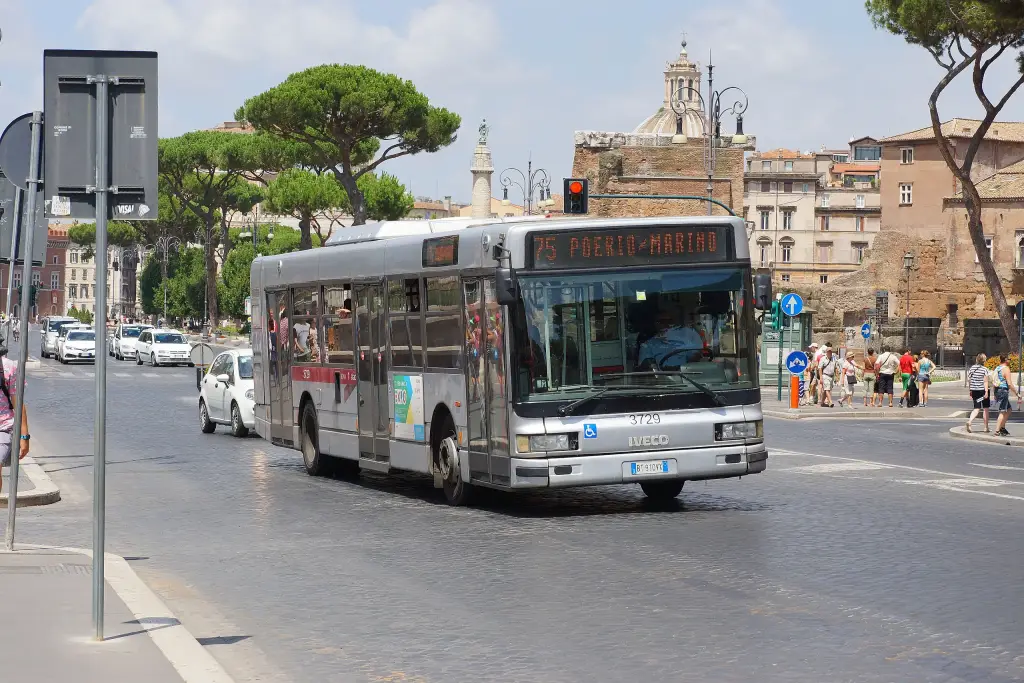
The Iveco CityClass is an urban, suburban and peri-urban bus launched by the Iveco bus division in 1997. Designed by Giorgetto Giugiaro, it was renamed Irisbus in 2000 and stayed in production until 2008, with 10,000 units built. It replaced the Iveco 490 TurboCity and was itself replaced by the Irisbus Citelis.
Iveco CityClass at a glance
| Maker | Iveco bus division, Irisbus from 2000 |
|---|---|
| Production | 1997–2008 |
| Designer | Giorgetto Giugiaro |
| Models | CityClass 491 urban, CityClass 591 suburban |
| Lengths | 10.80 m midibus, 12 m standard, 18 m articulated |
| Units built | 10,000, of which more than 7,000 in Italy |
| Predecessor | Iveco 490 TurboCity |
| Successor | Irisbus Citelis |
| Early engines | Fiat V.I. 8360.46V V6, 220, 250 or 270 hp |
| From 2001 | Iveco Cursor, 290 hp for the 10 and 12 metre buses, 350 hp for the articulated |
| CNG version | Cursor engine from 2005, 270 hp |
| Hydrogen prototype | three fuel-cell buses delivered in 2004 |
History of the Iveco CityClass
The CityClass was shown to professionals and the public at the Paris Motor Show in 1995 and went on sale as a 1997 model. The project was drawn up in the 1990s by Giorgetto Giugiaro to replace the Iveco TurboCity, and the bus was sold as the 491 in urban form and the 591 in suburban form, each in midibus, standard and articulated lengths.
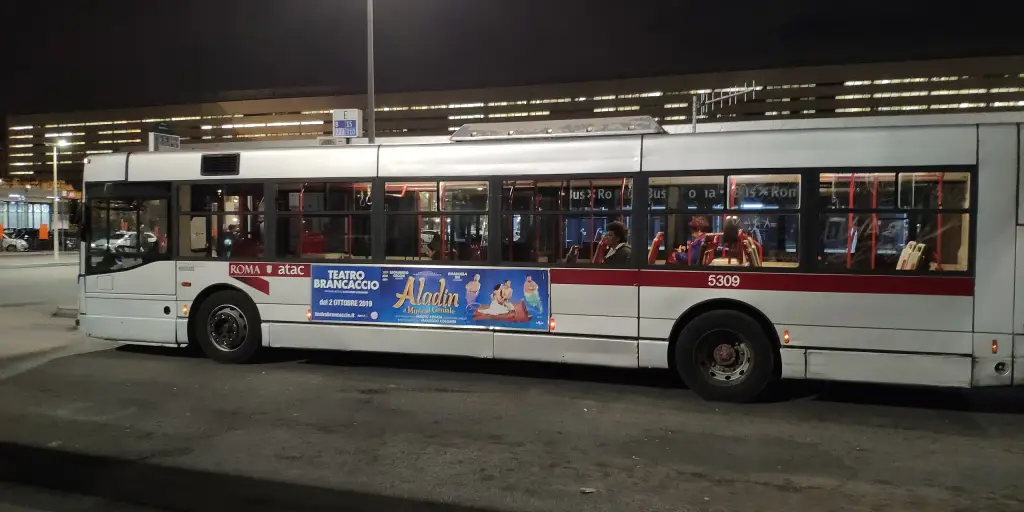
At the end of 1999 the Iveco badge on the grille was replaced by the Irisbus dolphin, after the bus divisions of Iveco and Renault Véhicules Industriels merged, and the bus was marketed under that name in Europe until 2008. In 2001 it received the new Iveco Cursor engine of 290 hp for the 10 and 12 metre versions; the articulated bus took a 350 hp Cursor in place of the earlier 310 hp Fiat unit, and from 2005 a suitable version of the Cursor also powered the CNG buses, at 270 hp.
The CityClass became the most widely distributed urban bus in Europe. Besides the big Italian cities such as Milan, Rome, Genoa and Turin, where it was almost the only type in service, it ran with public and private operators all over Italy and was exported to Switzerland, France, Germany, Romania, South Korea, Spain and Greece. In most Spanish cities the CityClass, bodied by Castrosua, Hispano Carrocera and Noge, was the most common bus in the urban fleet.
Iveco also used the CityClass for its first hydrogen bus. A prototype was tested in 2002, three 12-metre fuel-cell buses were delivered in 2004 to operators in Turin, Barcelona and Munich, and the Turin bus ran during the 2006 Winter Olympics with an autonomy of 12 hours at 60 km/h.
Design and features
- Giugiaro design: the body was drawn by Giorgetto Giugiaro in the 1990s.
- Two families: the 491 urban bus and the 591 suburban version with more seats.
- Three lengths: 10.80, 12 and 18 metres, the last articulated.
- Hydrogen pioneer: the first Italian hydrogen bus, tested in Turin.
Iveco CityClass versions
- CityClass 491 (urban): 108 places in the Italian 12-metre version, 18 of them seated.
- CityClass 591 (suburban): 96 places in the 12-metre version, 37 seated.
- Articulated 18 m: 140 places in the urban version and 113 in the suburban one.
- CNG version: 88 places and a 270 hp Cursor engine from 2005.
- Fuel-cell buses: three 12-metre hydrogen buses delivered in 2004.
The CityClass replaced the TurboCity, and its engines came from the Cursor family. More Iveco buses are in the Iveco collection.
Sources
- Iveco CityClass, English Wikipedia: dates, versions, engines, production, hydrogen project