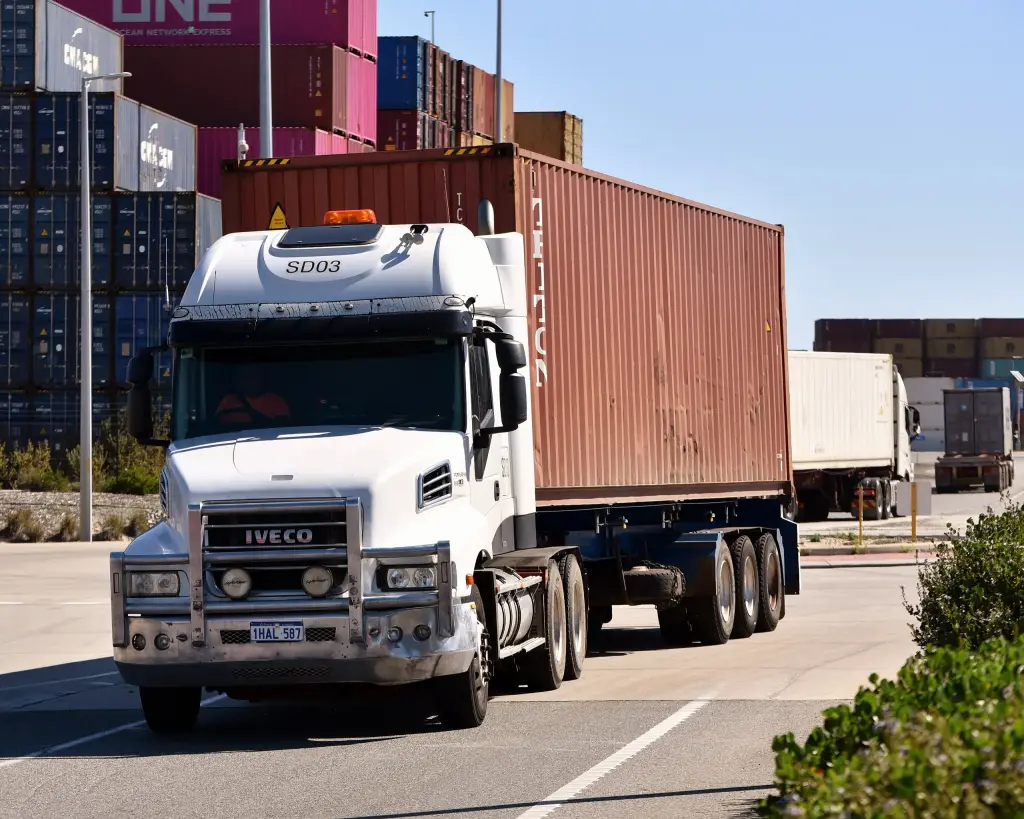
The Iveco PowerStar is an Australian tractor unit developed and assembled in Dandenong, Victoria. It is based on the European cab-over models but has a bonnet, and it is sold with day or sleeper cabs. Since 1998 it has been rated for anything from a single trailer to multi-trailer road trains.
Iveco PowerStar at a glance
| Maker | Iveco Trucks Australia, Dandenong, Victoria |
|---|---|
| Production | since 1998 |
| Layout | bonneted tractor unit, 6×4 |
| Cabs | day cab and sleeper cab |
| First-generation engines | Iveco, Detroit Diesel Series 60, Cummins ISM, ISX and Signature, Caterpillar C12 and C15 |
| Transmissions | ZF Eurotronic, Eaton RoadRanger, Eaton Autoshift |
| Rear axles | Meritor differentials |
| Suspension | Hendrickson HAS461 or Neway |
| Electrics | 24 volt |
| Second generation | on the Stralis cab, at first with Cursor engines and EuroTronic II only |
| From 2010 | Cummins ISX available again with the 16-speed EuroTronic II |
| Dakar wins | 2012, 2016, 2023, 2024, 2025 and 2026 |
History of the Iveco PowerStar
The first PowerStar was released in 1998 with a choice of Iveco engines and American units, among them the Detroit Diesel Series 60, the Cummins ISM, ISX and Signature and the Caterpillar C12 and C15. Gearboxes came from ZF as the Eurotronic, from Eaton as the RoadRanger and as the automated Autoshift, rear differentials were usually Meritor, and the electrical system worked at 24 volts. The rear suspension was a Hendrickson HAS461 or a Neway.
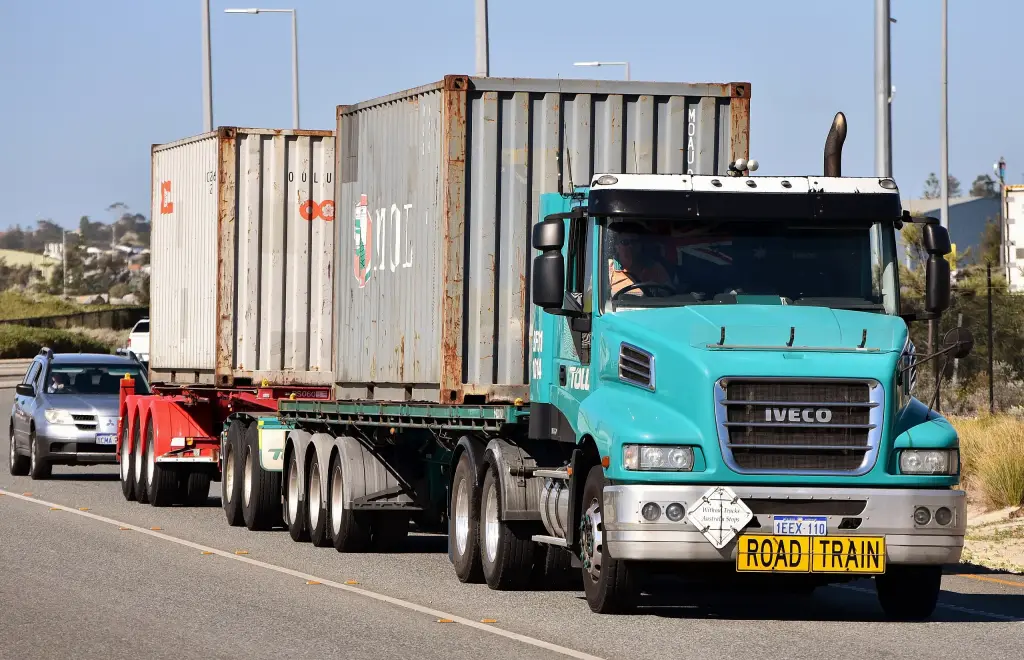
The lorry proved popular with operators who had until then bought only North American prime movers, because it could be ordered with the same driveline as their American trucks while offering the comfort of a European cab, and it was well priced. It could be rated for a single trailer or for multi-trailer road train work.
The second generation was based on the newer Stralis cab and was at first offered only with the Iveco Cursor engine and the EuroTronic II transmission, without the North American driveline, which made it less popular than the first generation with buyers who wanted American engines. From 2010 the Cummins ISX returned to the range with the 16-speed EuroTronic II, alongside the Iveco Cursor.
A European version, the Iveco Strator, is built in the Netherlands from rebuilt Stralis lorries adapted to European safety rules; it is the only bonneted heavy lorry Iveco sells in Europe. The PowerStar has also had a strong record in the Dakar Rally, with wins for Gérard de Rooy in 2012 and 2016, Janus van Kasteren in 2023, Martin Macík in 2024 and 2025 and Vaidotas Žala in 2026.
Design and features
- Bonnet and European cab: American lorry layout with European comfort.
- Road train ratings: from single trailers to multi-trailer trains.
- Choice of engines: Iveco, Cummins, Caterpillar and Detroit Diesel over the years.
- Dakar record: six wins between 2012 and 2026.
Iveco PowerStar versions
- First generation (from 1998): Iveco and American engines, Eaton and ZF gearboxes.
- Second generation: Stralis cab, Cursor engines and EuroTronic II.
- From 2010: Cummins ISX with the 16-speed EuroTronic II.
- Iveco Strator: the European version built in the Netherlands.
The PowerStar shares its cab with the European Stralis and is sold alongside the Acco in Australia. More Iveco lorries are in the Iveco collection.
Sources
- Iveco PowerStar, English Wikipedia: engines, driveline, generations, motorsport
- Iveco Powerstar, Italian Wikipedia: versions, Dakar wins