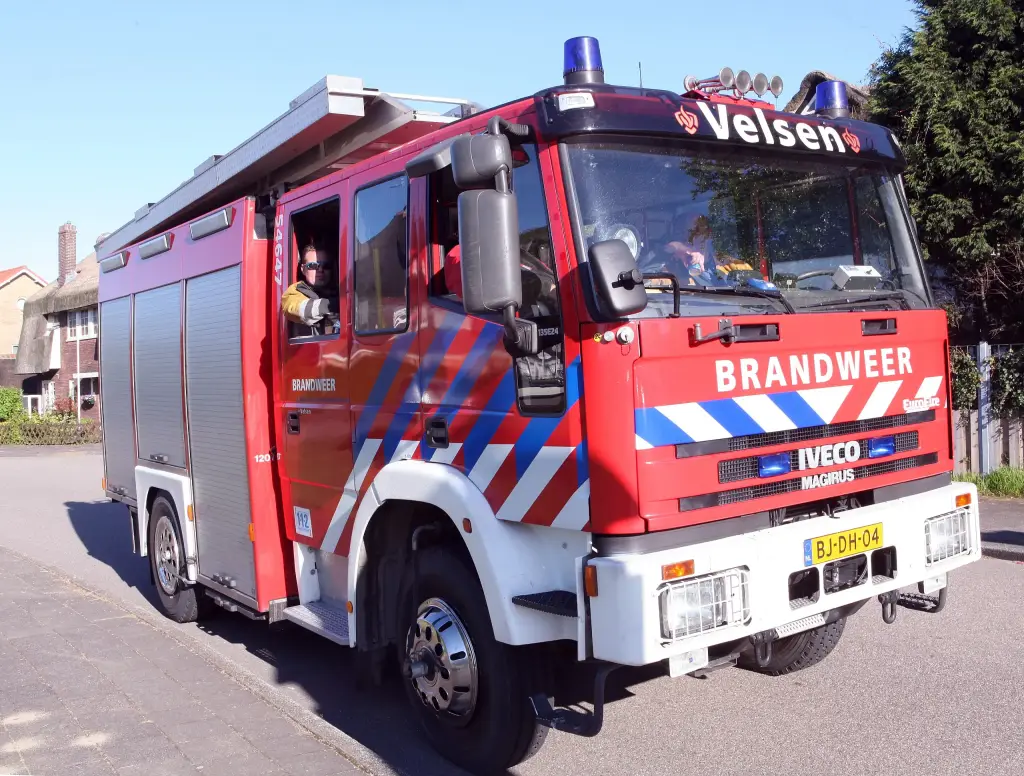
Iveco EuroFire was a holding company created by Iveco, with 85 per cent, and Renault Véhicules Industriels, with 15 per cent, to combine the fire and rescue activities of the two groups. It was announced in July 1996, set up in December of that year and began operating on 1 January 1997. Its lorries carried the EuroFire name, as on the Magirus EuroFire fire engines.
Iveco EuroFire at a glance
| Type | holding company for fire and rescue vehicles |
|---|---|
| Owners | Iveco 85 per cent, Renault Véhicules Industriels 15 per cent |
| Announced | July 1996 |
| Founded | December 1996 |
| Operating | from 1 January 1997 |
| Group turnover in 1996 | about 320 billion lire |
| Companies | Magirus Brandschutztechnik, Iveco Mezzi Speciali, Camiva |
| Magirus site | Ulm, Germany, with Weisweil, Gorlitz and Kainbach bei Graz |
| Iveco Mezzi Speciali site | San Polo, Brescia, closed in 2008 |
| Camiva site | Chambery, France |
| Position | first in the world in fire-fighting at the time |
Based on one source: the Italian Wikipedia article, which describes the company rather than a single model.
History of the Iveco EuroFire
The company was announced in July 1996 and confirmed that November, once the national and European competition authorities had given their approvals. It was incorporated in December 1996 and became operational on 1 January 1997. In 1996 the turnover of the three companies involved was about 320 billion lire, which made the new group the first in the world in fire-fighting equipment.
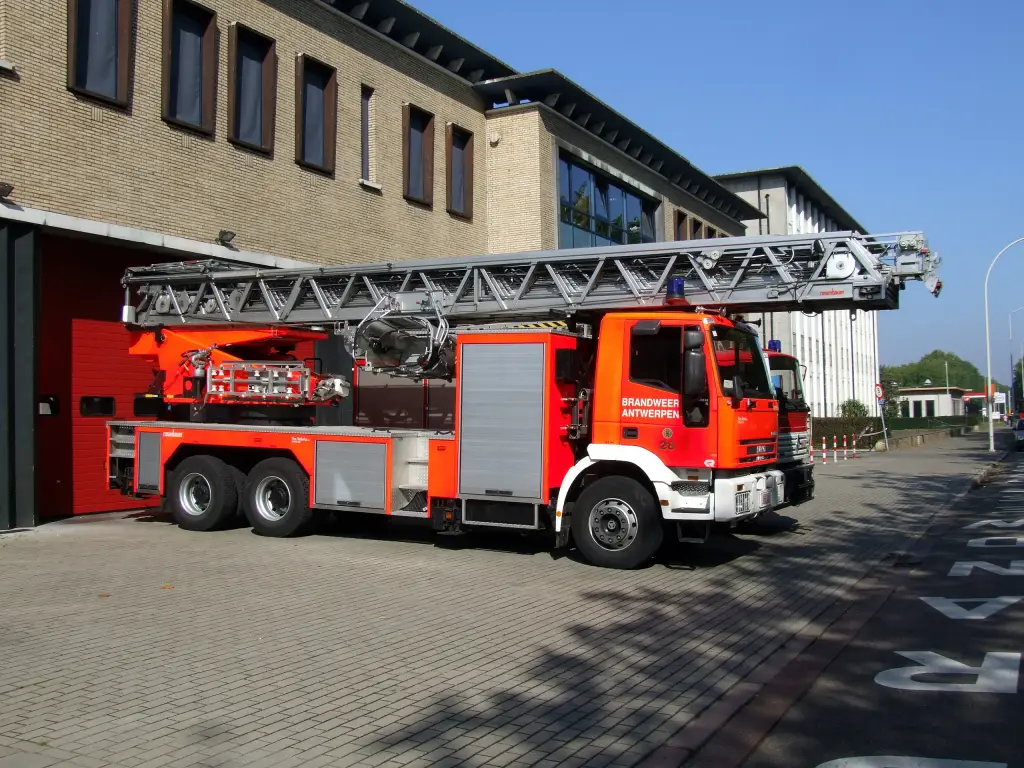
All the rescue and fire-fighting activities of the Italian and French groups were brought into the holding: Iveco Magirus Brandschutztechnik, split off from Iveco Magirus in the autumn of 1995, Iveco Mezzi Speciali of Brescia and the French company Camiva. Iveco Mezzi Speciali had grown out of the Baribbi works in Brescia, which Iveco took over in the early 1990s.
Magirus, at its historic works in Ulm, built 780 vehicles in 1996 with a turnover of 210 billion lire and 580 employees, and worked from sites in Weisweil, Gorlitz and the Austrian Magirus-Lhor at Kainbach bei Graz. Iveco Mezzi Speciali made 160 vehicles a year in its San Polo works in Brescia, with a turnover of 50 billion lire and 180 employees, and Camiva, long established at Chambery in Savoy, built 330 vehicles a year with 60 billion lire and 230 employees. The Brescia works was closed in 2008 and the work moved to the historic Iveco site that had belonged to OM in via A. Franchi.
Design and features
- Two-group venture: Iveco held 85 per cent and Renault 15.
- Three makers united: Magirus, Iveco Mezzi Speciali and Camiva in one holding.
- World leader: the largest fire-fighting group in the world in 1996.
- EuroFire name: used on the fire engines, as on the Magirus EuroFire.
Iveco EuroFire versions
- Magirus Brandschutztechnik: the German fire-fighting works at Ulm.
- Iveco Mezzi Speciali: the Brescia works, closed in 2008.
- Camiva: the French maker at Chambery.
The fire engines of the group were based on Magirus and Iveco chassis, and the later Italian fire service vehicles used the Stralis. More Iveco vehicles are in the Iveco collection.
Sources
- Iveco Eurofire, Italian Wikipedia: history, ownership, works, turnover