The Hyundai Santro is the city car Hyundai sold in India, first from 1998 to 2014 and then again from 2018 to 2022. Hyundai took the name from Saint-Tropez, the French town famous for fashion, because it wanted the car to look fashionable. The first generation was the Atos Prime under another name; the second was a model of its own, sized to sit below the i10.
Hyundai Santro at a glance
| Maker | Hyundai Motor Company |
|---|---|
| First generation | MX, introduced 1998 |
| On sale in India | early 1999 |
| Also sold as | Atos Prime in Europe, Kia Visto in Korea and Indonesia |
| Indian names | Santro Zip (1998–2006), Santro Xing (2003–2014) |
| First generation ended | 2014 |
| Second generation | AH2, launched 23 October 2018 |
| Second-generation engine | 1.1-litre Epsilon G4HG, 69 hp |
| Gearboxes | five-speed manual, five-speed automated manual |
| Bi-fuel | petrol and CNG version available |
| Second generation ended | 2022 |
| Global NCAP | two stars for adult and child occupants, 2019 |
History of the Hyundai Santro
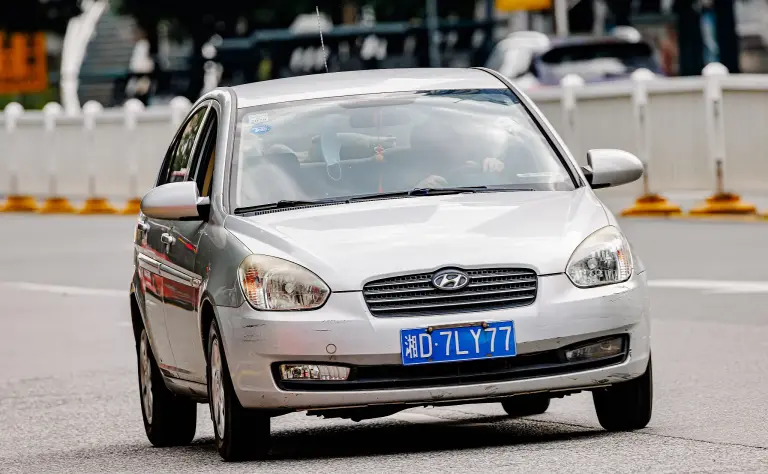
The first Santro arrived in 1998 and went on sale in India early in 1999. It was the Atos Prime, the restyled version of the Hyundai Atos, and it was also sold in Europe as the Atos Prime and in Korea and Indonesia as the Kia Visto. In India it started life as the Santro Zip, a name used from 1998 to 2006; when the facelifted car appeared in 2003, before the Kia Visto was replaced by the Picanto in 2004, it became the Santro Xing, which stayed on the market until 2014.
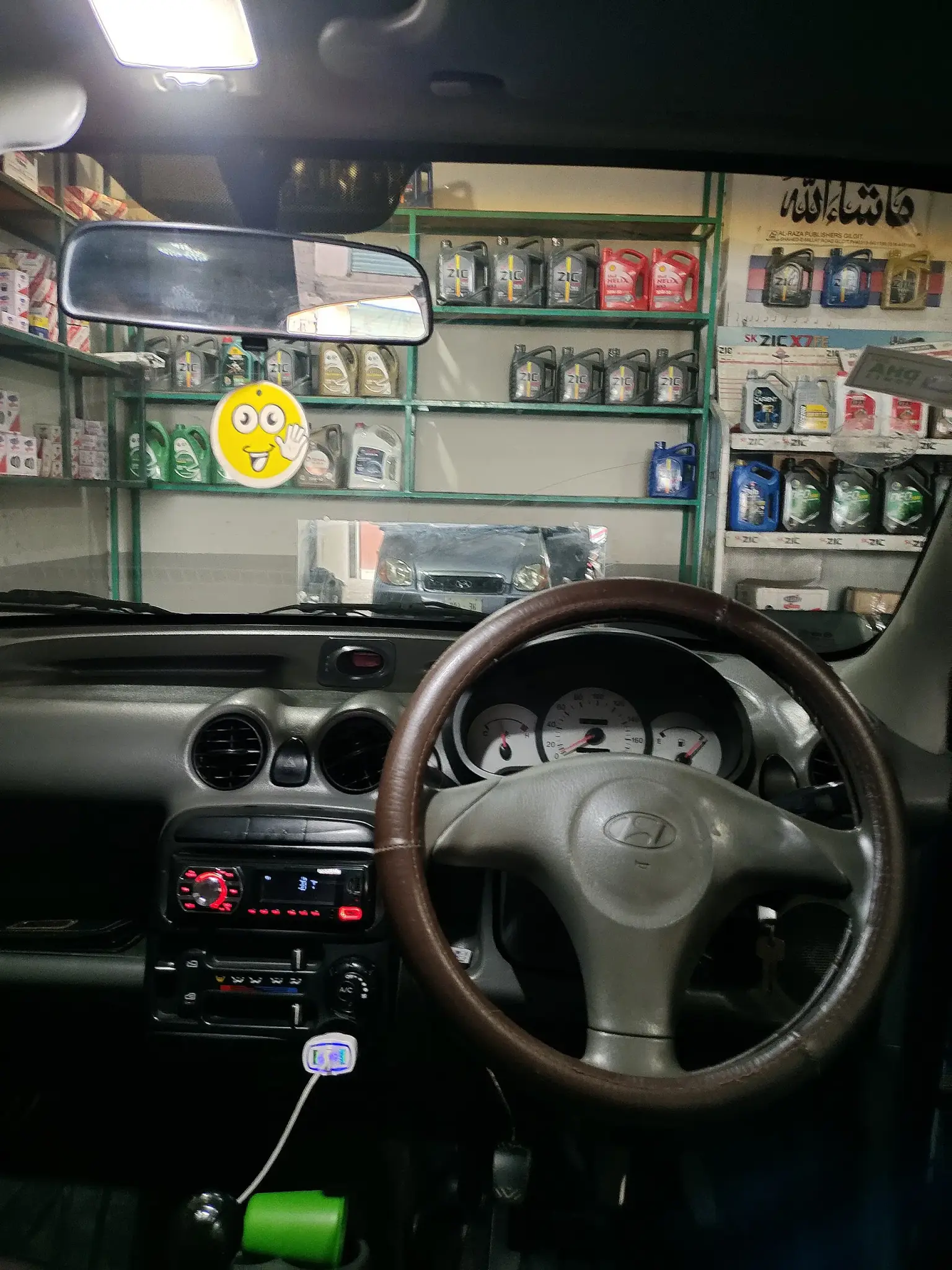
The nameplate returned in 2018. The second-generation Santro was launched in India on 23 October 2018, four years after the previous car had gone and nearly twenty-five years after production began, and it was positioned below the Hyundai i10. It used a 1.1-litre Epsilon G4HG petrol engine producing 69 hp at 5,500 rpm and 99 N·m at 4,500 rpm, with a bi-fuel petrol and CNG version also offered. Buyers could choose a five-speed manual or a five-speed automated manual gearbox.
The second-generation car was named one of the top three urban world cars of 2019. In the Global NCAP frontal offset crash tests under the Safer Cars for India programme in 2019, the Indian version with a driver airbag scored two stars for adult and for child occupant protection. Production ended again in 2022.
Design and features
- Fashionable name: Santro comes from Saint-Tropez, chosen to make the car look stylish.
- Atos Prime base: the first generation was the Atos Prime with an Indian name.
- Two lives: on sale from 1998 to 2014 and again from 2018 to 2022.
- Bi-fuel option: the second-generation car could run on petrol or CNG.
Hyundai Santro versions
- Santro Zip (1998–2006): the first Indian name for the Atos Prime.
- Santro Xing (2003–2014): the facelifted first generation.
- Atos Prime and Kia Visto: the same car in Europe, Korea and Indonesia.
- Santro AH2 (2018–2022): the second generation with a 1.1-litre engine.
The Santro grew out of the Atos and sat below the i10 in the Indian range. More Hyundai models are in the Hyundai collection.
Video: Hyundai Santro Xing – user review
Video by Autoportal on YouTube.
Sources
- Hyundai Santro, English Wikipedia: name origin, generations, engines, safety result