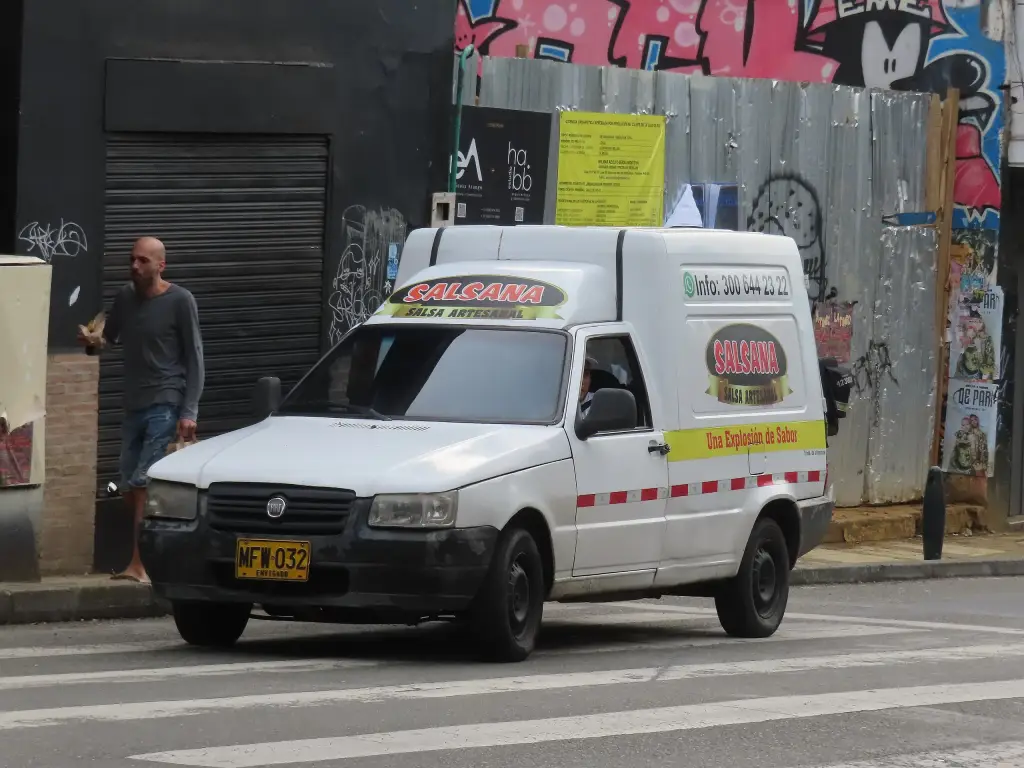
The Fiat Fiorino is a small commercial vehicle produced by Fiat since 1977. Its first two generations were panel van derivatives of other small models, the Fiat 127 and the Fiat Uno, while the current third generation was developed jointly with PSA Peugeot Citroën and is based on the Fiat Small platform. The name comes from the fiorino d’oro, an old Italian coin normally translated into English as the florin.
Fiat Fiorino at a glance
| Production | 1977–present |
|---|---|
| First generation | 1977–1988 |
| First generation code | Type 147 |
| Based on | Fiat 127 Series 2 |
| Body | high-cube panel van, 1.3 m tall |
| Launch engine | 903 cc OHV four |
| Added 1979 | 1,050 cc OHC Fiasa |
| Added 1981 | 1,301 cc diesel |
| Brazilian production | 250,545 cars, 1980–1988 |
| Current generation | Sevel LAV, shared with Citroën Nemo and Peugeot Bipper |
based on one source
History of the Fiat Fiorino
First generation, 1977–1988
Originally called the Fiat 127 Fiorino, the first generation carried the project code Type 147 and was based on the Series 2 Fiat 127, with the back turned into a van box in a 1.3-metre tall high-cube design, an arrangement later copied by several European makers. Its platform was a stretched version of the Brazilian 147 with a different rear suspension.
The van was launched in early November 1977 with the same 903 cc OHV inline-four petrol engine used in the Fiat 127. In March 1979 the 1,050 cc OHC Fiasa engine was added, together with a glazed passenger version called Panorama. That year also saw the start of right-hand-drive production, which allowed sales in the United Kingdom and other countries that drive on the left; British buyers were offered only the larger 1.05-litre engine.
In 1981 Mirafiori production came to an end, and with it came a change to the front of most European-market Fiorinos. The van received the 147’s taller front sheet metal with an extra air intake beneath the grille instead of the original 127 design. The Italian-made 903 cc engine was dropped and a new 1,301 cc SOHC diesel was introduced. While the Brazilian 147 passenger car received a facelift with square headlights called Europa, the Fiorino largely kept the original sheet metal; the Pick-up City and better-equipped vans used the new Europa front from 1982.
For right-hand-drive markets the Fiorino kept the original 127 underpinnings and design. These cars were sold only as vans, with either a flat roof or a Hi-Top roof, and were built by Bertone, which was also assembling the X1/9 and the Ritmo Cabriolet for Fiat. The 127-series Fiorino received a light facelift in 1985 with Fiat’s five-bar grille, the Ducato’s wing mirrors and a five-speed manual gearbox, and production ended in late 1987, still using the original sheet metal with quarterlights in the front doors. After the 127 was replaced by the Uno in 1983, Fiat dropped the 127 part of the name in Europe and called the vehicle simply Fiorino.
Brazil and Argentina
In September 1980 the Fiorino was launched in Brazil, based on the locally built Fiat 147 and fitted with its 1.3-litre engine. It was initially a van only, panelled or glazed, with a payload of 420 kg. Fiat had offered a pick-up on the shorter 147 bodywork since late 1978, with the 1,050 or 1,300 engine, but in 1981 this moved to the longer Panorama and Fiorino chassis; the longer pick-up came as a standard version and from 1982 also as the better-equipped 147 City with the square, forward-leaning headlights of the 1981 facelift. A further facelift in 1983 brought a grille based on the South American 127/147 Unificata, introduced gradually because some cheaper versions kept the original design until 1986.
From 1982 Brazilian buyers could choose from at least four versions of the high-cube design. The Furgão was a two-seater panel van, the Vetrato a glazed two-seater, and the new Combinata had removable facing benches at the rear for six more passengers with a minimum of comfort; all three had a cargo divider, unlike the Settegiorni, a five-seat station wagon new for 1982 and the equivalent of the European Panorama. In Europe, Fiat sold the Ognitempo kit to turn the Fiorino into a camper.
The Fiorino was assembled from 1977 to 1981 at Mirafiori in Turin alongside the 127. Production began in the Minas Gerais plant in Brazil in 1980, and in 1981 European production moved from Mirafiori to Minas Gerais; right-hand-drive cars and some other European markets were built by Bertone until late 1987. After Brazilian production ended in 1988 the tooling went to Argentina, where Sevel Argentina built the van or pick-up from August 1989 with a locally made 1.3-litre petrol engine or the Brazilian 1.3 diesel. 25,035 first-generation Fiorinos were built in Córdoba between 1989 and 1995, and a total of 250,545 were built in Betim between 1980 and 1988, of which 172,086 were vans and 78,459 pick-ups.
Later generations
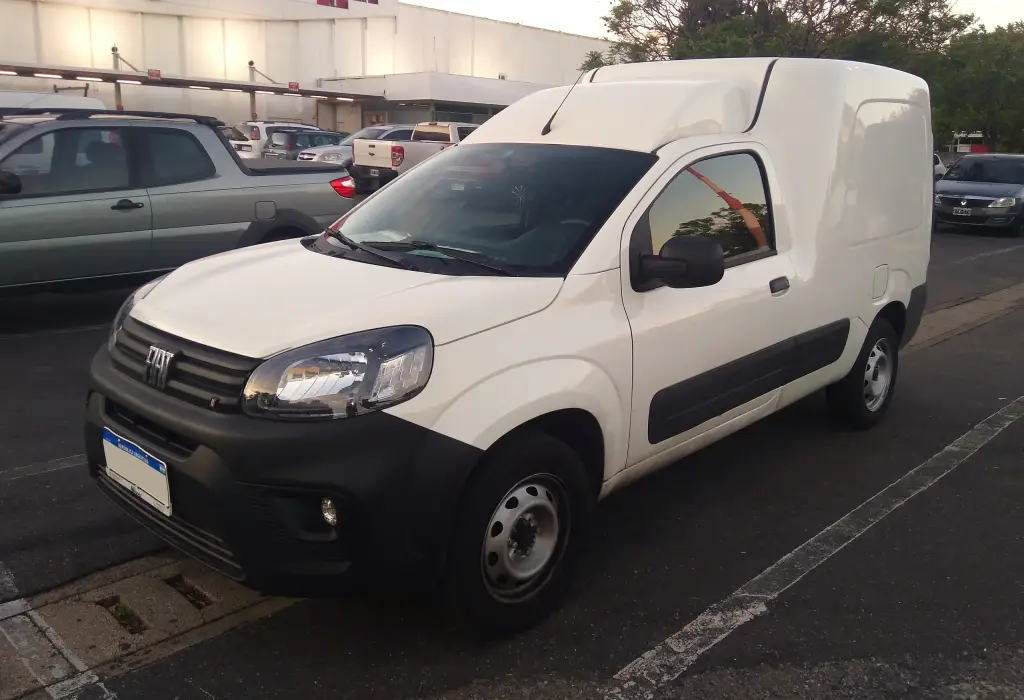
The second generation was again a panel van derivative of a small Fiat, the Uno, and the current third generation was developed jointly with PSA Peugeot Citroën, now part of Stellantis, on the Fiat Small platform. This generation, the Sevel LAV, is also built with a passenger body as the Fiat Qubo and is marketed alongside its rebadged versions, the Citroën Nemo and the Peugeot Bipper. It sits below the Fiat Doblò, Citroën Berlingo and Peugeot Partner in their makers’ ranges.
Design and features
- High-cube body: a 1.3-metre tall van box on a passenger-car platform.
- Three generations: from the 127 and Uno to the Sevel LAV shared with PSA.
- Panorama: a glazed passenger version added in 1979.
- Made in several countries: Italy, Brazil and Argentina built the first generation.
- Name: from the fiorino d’oro, the Italian gold coin also called the florin.
Fiat Fiorino versions
- 127 Fiorino: the original 1977 panel van with a 903 cc engine.
- Fiorino Panorama: the glazed passenger version of 1979.
- Furgão, Vetrato, Combinata and Settegiorni: Brazilian versions of 1982.
- Fiorino pick-up: built in Brazil and Argentina on the long chassis.
- Fiat Qubo: the passenger-bodied version of the Sevel LAV generation.
The first Fiorino was derived from the Fiat 127, and the current generation sits below the Fiat Doblò in the range. The Fiat Ulysse was the brand’s larger people carrier. More cars are in the Fiat collection.
Sources
- Fiat Fiorino, English Wikipedia: generations, first-generation development, Brazilian and Argentine production