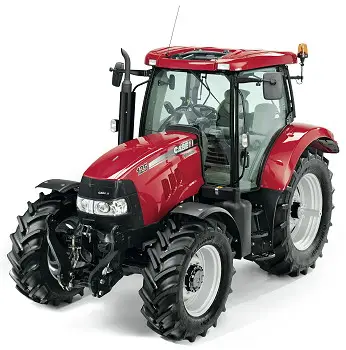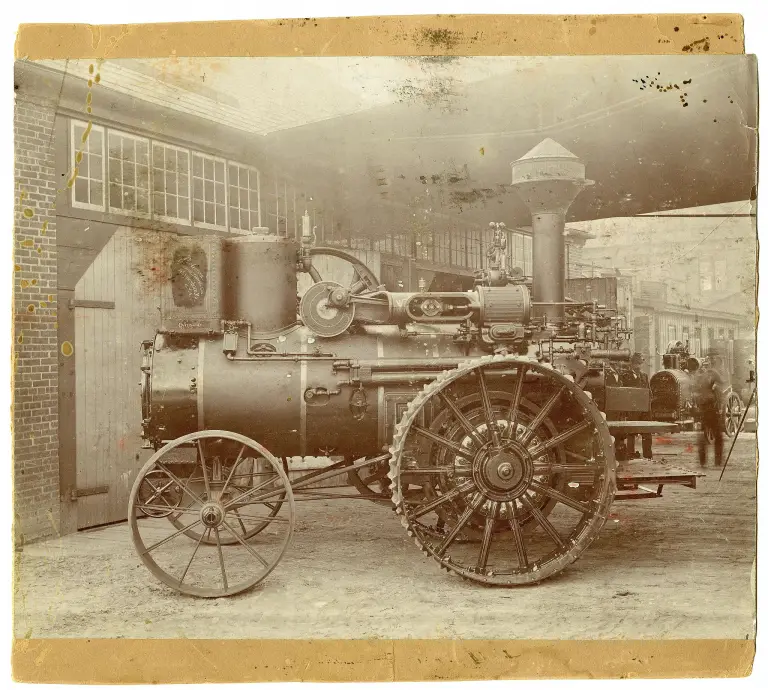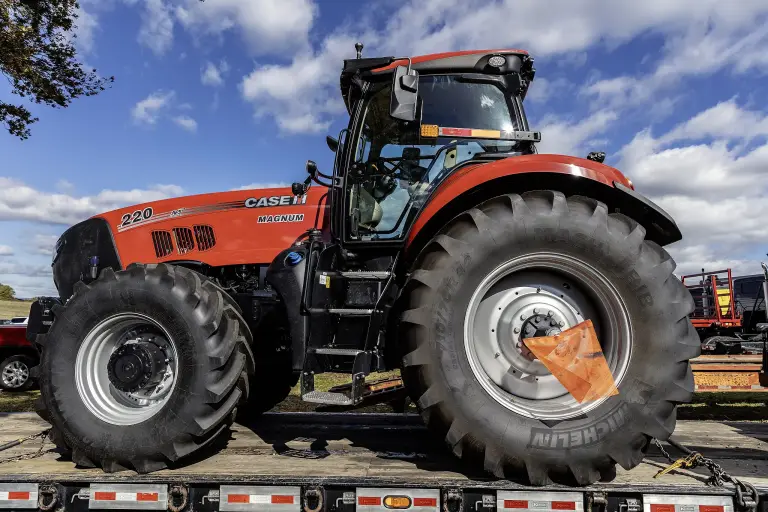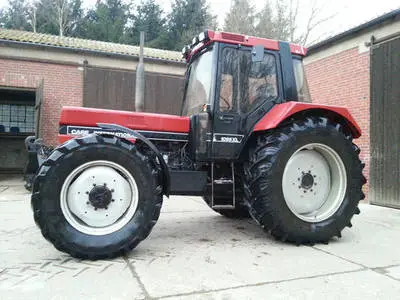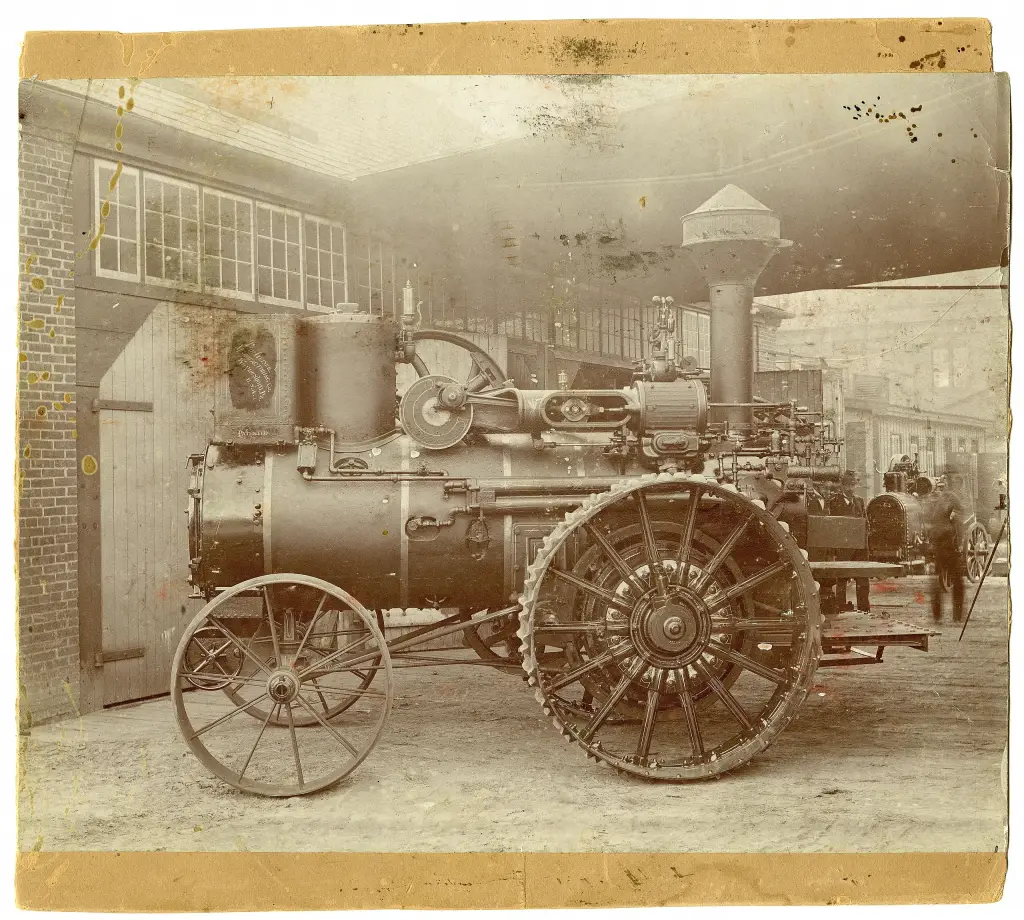
The Case L and the Case LA are the two names of one Case farm tractor of the 1930s and 1940s. The old posts for both now lead to this page.
Case L and LA at a glance
| Models | Case L, Case LA |
|---|---|
| Maker | J. I. Case Company, Racine, Wisconsin |
| Period | the years between the end of steam in 1927 and the merger into Case IH in 1985 |
| 1928 | the company took the name J. I. Case Company and bought Emerson-Brantingham’s farm business |
| 1937 | Case took over the Rock Island Plow Company |
| Related line | the Case D series of the same period |
| Engine and output | not stated in the sources used here |
Only company-level facts are available for these models; the page is short for that reason.
History of the Case L and LA
After the steam engines
Case built about 36,000 steam engines before changing over to gas tractors in 1927, the year it also stopped building cars. The L and LA belong to the generation that came next, designed around a petrol engine from the start.
Buying up the farm trade
In 1928 Case bought the farm machinery business of Emerson-Brantingham and took the name J. I. Case Company; in 1937 it added the Rock Island Plow Company. Both purchases widened the range of implements and tractors the company could sell to a farmer.
What is known
The sources used here record the company’s course through these years but not the L and LA individually, so the page gives no power, weight or production figures. The two names come from the old posts that redirect here.
Design and features
- Two names, one line: L and LA are the models described here.
- Post-steam generation: petrol tractors of the 1930s.
- Company in growth: built while Case absorbed Emerson-Brantingham and Rock Island Plow.
- Open specification: no figures in the sources, none invented here.
Case L and LA versions
- Case L: the earlier form of the tractor.
- Case LA: the later form.
- Case D series: the related line of the same years.
- Case VAC: the smaller tractor that followed.
The related line is on the Case D series page and the smaller tractor on the Case VAC page. The earliest machines are on the Case 10-18 page, and everything is in the Case section.
Sources
- Case Corporation, English Wikipedia: company history
- Case Corporation, German Wikipedia: 1927, 1928 and 1937 purchases
- Case IH, English Wikipedia: company timeline