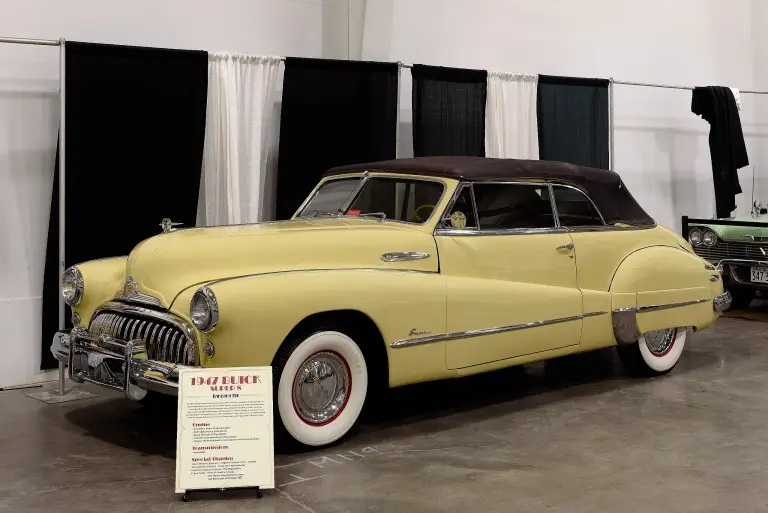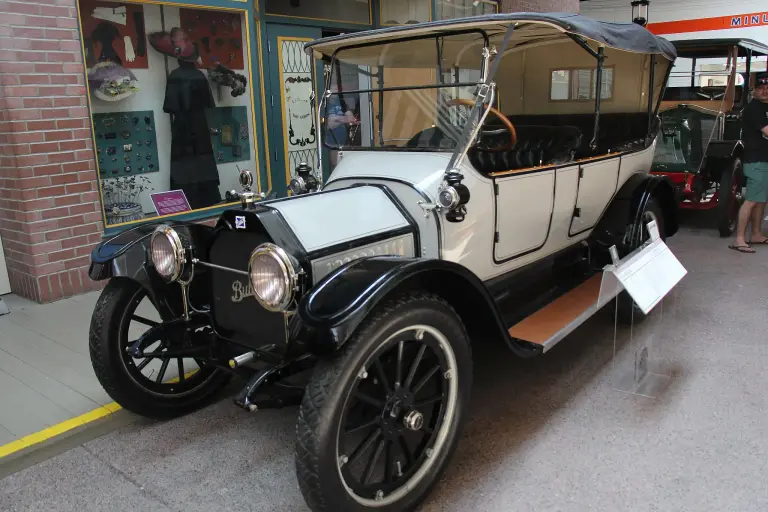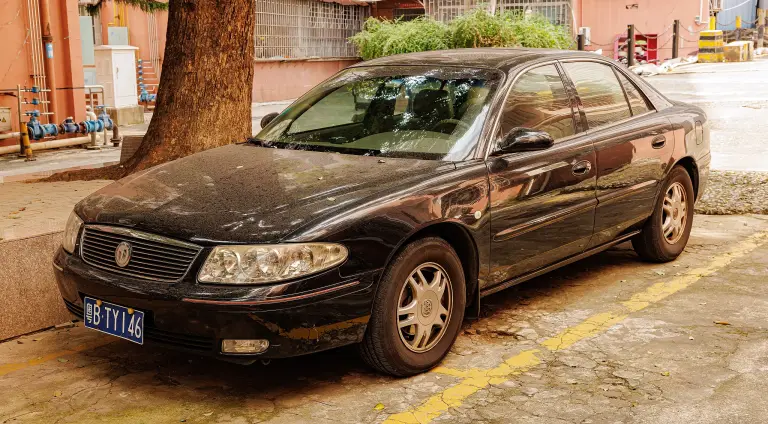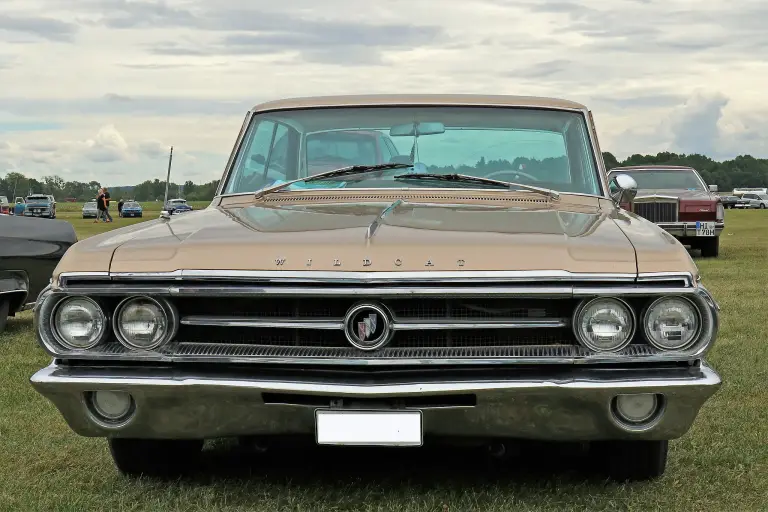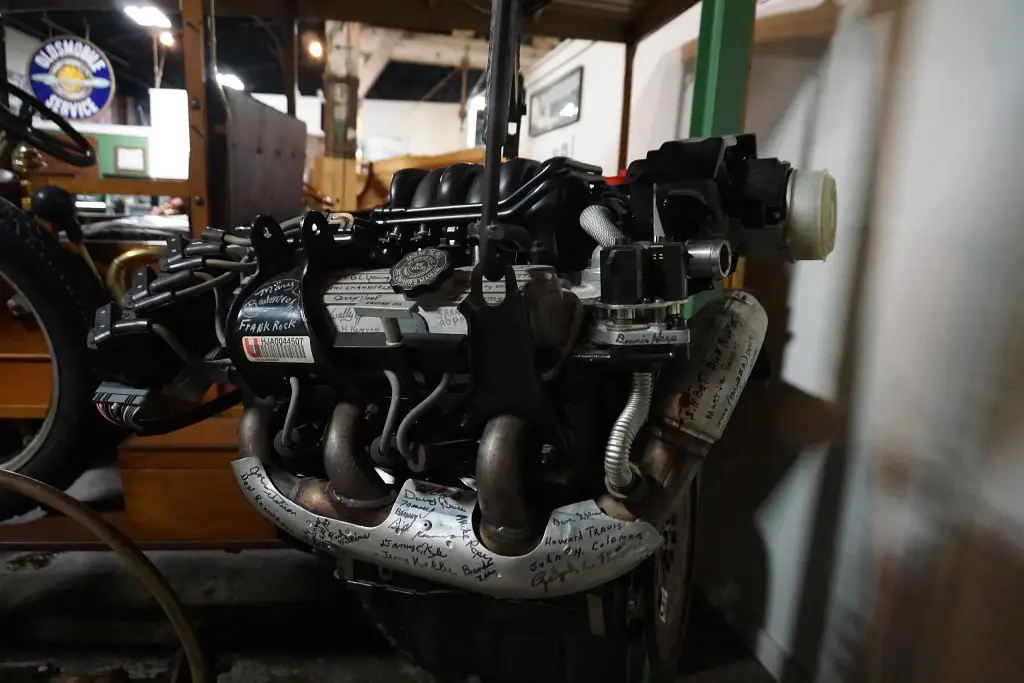
The Buick V6 is an overhead-valve V6 developed by Buick and introduced in 1962. It began as a 198-cubic-inch engine called the Fireball and grew into the 231-cubic-inch 3800, one of the most-manufactured engines in automotive history.
Buick V6 engine at a glance
| Maker | Buick, General Motors |
|---|---|
| Introduced | 1962 model year |
| Original size | 198 cu in (3.2 L), Fireball V6 |
| Layout | 90-degree OHV V6 |
| Derived from | Buick 215 cu in aluminium V8 |
| Best known as | the 3800, 231 cu in (3.8 L) |
| Production total | over 25 million |
| Notable | Ward’s 10 Best Engines of the 20th Century |
| Bore spacing | on-centre from the 1988 LN3 |
| Sold to Kaiser-Jeep | 1967; reacquired by GM in 1974 |
Based on one source, the English Wikipedia article on the Buick V6 engine.
History of the Buick V6 engine
The engine family began as the answer to a cost problem. Buick’s 215-cubic-inch aluminium V8 was expensive to make, so the division developed a cast-iron engine on the same tooling, arranged as a 90-degree V6 with two cylinders removed. With a bore and stroke of 3.625 by 3.1875 inches it displaced 197.4 cubic inches, weighed about 35 pounds more than the aluminium V8 but cost less to build. Called the Fireball V6, it became the standard engine in the 1962 Buick Special and was the first V6 in an American car.
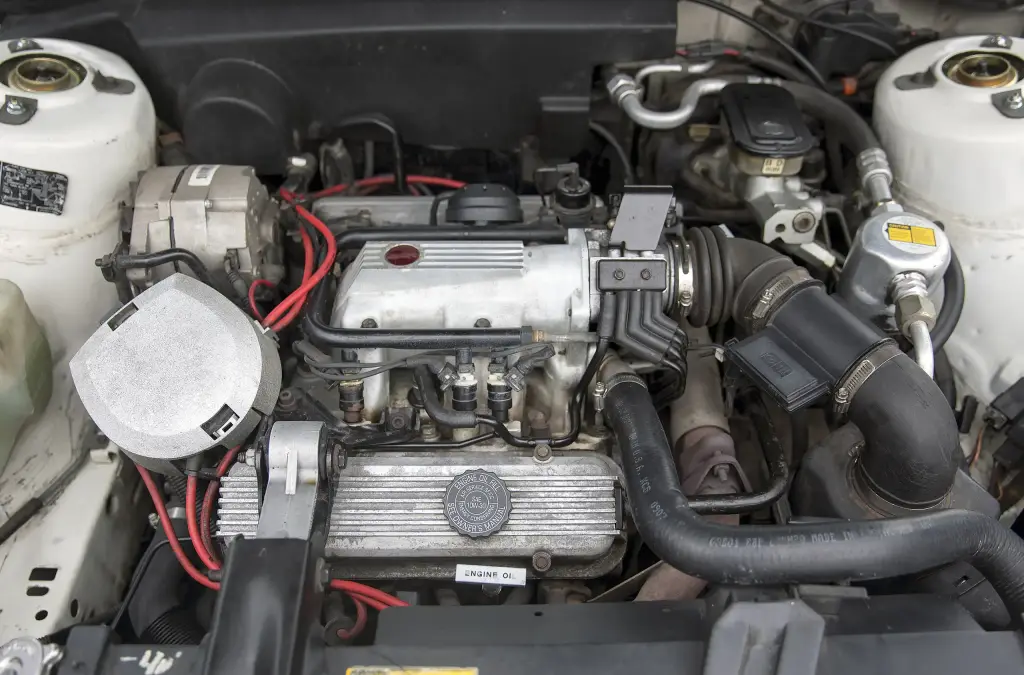
Because the crankshaft has only three crank pins set 120 degrees apart, with opposing cylinders sharing a pin, the engine fires unevenly. The resulting roughness was so noticeable that a former American Motors executive described it as «rougher than a cob». The off-centre design lasted until the 1988 LN3 version, when the left bank was moved forward to give on-centre bore spacing.
The engine was enlarged to 225 cubic inches for 1964–67, used in the Special and Skylark and in Oldsmobile’s F-85 and Cutlass, including the Vista Cruiser and the Buick Sport Wagon. With a single-barrel carburettor it made 155 hp, and with a two-barrel in 1966–67, 160 hp. Kaiser-Jeep also used it as the Dauntless V6 from 1965, with a much heavier flywheel to damp the vibration.
Buick sold the tooling to Kaiser-Jeep in 1967, by then judging a V6 unnecessary in a market of V8s and muscle cars. The 1973 oil crisis changed that, and GM bought the design back from American Motors in early 1974. The 231-cubic-inch version that followed became the base of the 3800, developed through many iterations and built in the United States and later in Australia.
The 3800 made Ward’s 10 Best Engines of the 20th Century list and appeared repeatedly on the magazine’s annual list. It is one of the most-manufactured engines in history, with more than 25 million produced, and it was still being fitted to Buicks in the 2000s — the 2009 model year was the last GM car to use it.
Design and features
- From a V8: designed on the tooling of Buick’s 215 aluminium V8.
- Uneven firing: three crank pins gave a characteristic roughness until 1988.
- The 3800: the 231-cubic-inch version that became a GM mainstay.
- Longevity: over 25 million built and a place in Ward’s 20th-century list.
Buick V6 engine versions
- 198 Fireball (1962–63): the original 3.2-litre engine.
- 225 (1964–67): enlarged, also sold to Jeep as the Dauntless.
- 231 / 3800: the long-running 3.8-litre version.
- LN3 and later (1988–): on-centre bore spacing and further development.
The engine was introduced in the Special and used in the Skylark and Sport Wagon; the V8 it came from is covered under the Buick V8. More Buicks are in the Buick collection.
Sources
- Buick V6 engine, English Wikipedia: origins, 198/225/231 versions, 3800, production totals