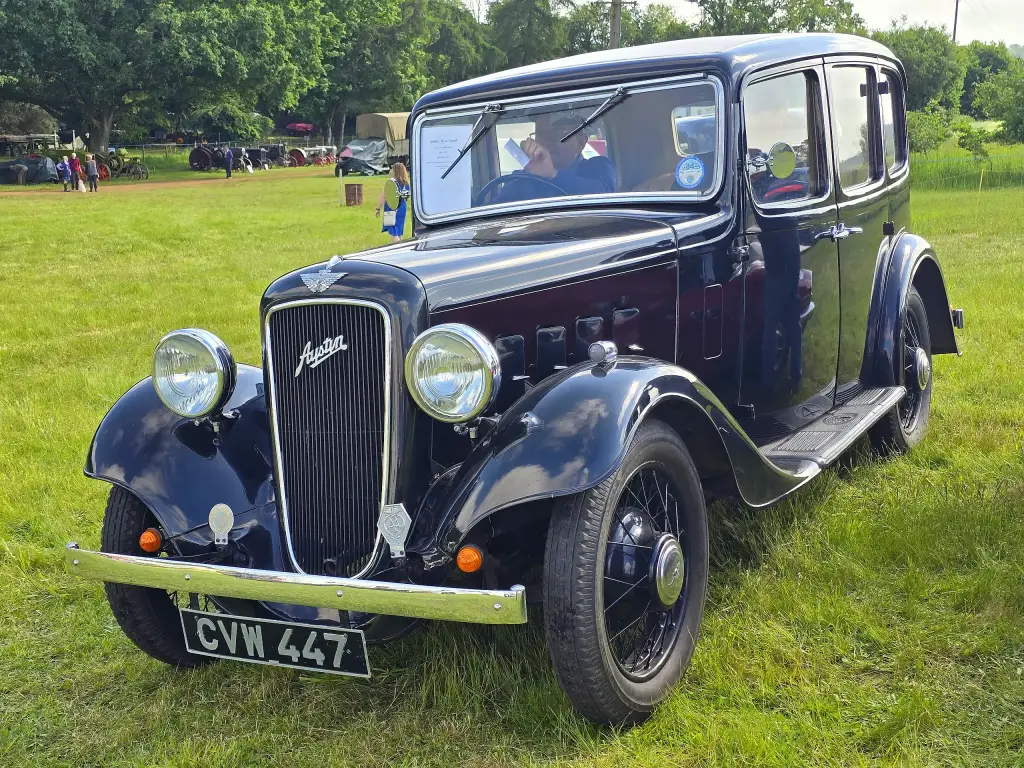
The Austin Twelve is a motor car introduced by Austin in 1921. It was the second of Herbert Austin’s post-First World War models and in many ways a scaled-down version of the Austin Twenty introduced in 1919; slower-than-expected sales of the Twenty brought about this divergence from his intended one-model policy.
Austin 12 at a glance
| Introduced | announced at the beginning of November 1921 |
|---|---|
| Produced | to 1939 (taxi option); last cars for the War Department in 1940 |
| Name | refers to the fiscal horsepower (12.8), not the bhp |
| Engine | 20 bhp (1,660 cc), later 27 bhp (1,861 cc from 1926); 72 by 102 mm, later 72 by 114.5 mm |
| Body styles (1922) | four-seat tourer and two/four-seater at £550, coupé at £675 |
| Sales peak | 14,000 in 1927 |
| Later updates | wire wheels 1933, synchromesh on top two ratios 1934, coil ignition 1935 |
This page is based on English Wikipedia only (a trusted source), so the facts were not cross-checked against a second source.
History of the Austin 12
The Twelve was announced at the beginning of November 1921, after Austin’s company had been in receivership for six months. The number refers to its fiscal horsepower (12.8) rather than its brake horsepower, which was initially 20 bhp from a 1,660 cc engine and later 27 bhp from a 1,861 cc one. The long-stroke engines encouraged by the tax regime, 72 by 102 mm and later 72 by 114.5 mm, had much more low-speed torque than the bhp rating suggests.
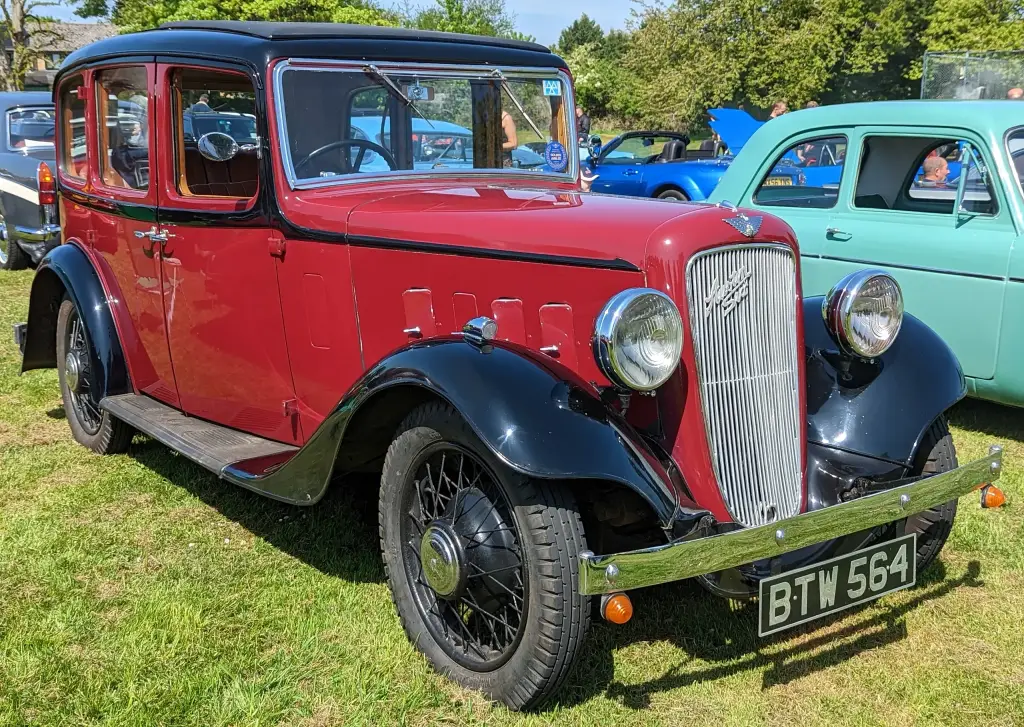
Overview
At first it was only a tourer, but by 1922 three body styles were offered: the four-seat tourer and the two/four-seater (both £550) and the coupé at £675. The car enjoyed success throughout the vintage era, with annual sales peaking at 14,000 in 1927. The mechanical specification changed little, though the engine grew from 1,661 cc to 1,861 cc in 1926, and many body styles were offered, with saloons becoming more popular as the twenties drew to a close.
The Heavy Twelve
The car stayed in the Austin catalogue, and as a taxi option, until 1939; the last cars were produced for the War Department in 1940. After the early thirties it was called the Heavy Twelve by the public, to distinguish it from newer 12 tax-horsepower cars in the catalogue, the Light Twelve-Four and Light Twelve-Six, and it got some updating: artillery-style wheels were replaced by wire wheels in 1933, coil ignition replaced the magneto in 1935, and synchromesh between the top two ratios arrived in 1934. The last of the Weymann-style fabric-covered cars was built in 1931 and there were no open tourers after 1934.
After the war the name Austin Twelve returned to the catalogue for a couple of years until the arrival of the A40 Dorset and Devon saloons in 1947. Today the Twelve is remembered as virtually unburstable and is well catered for by the Vintage Austin Register in the UK and other clubs.
Design and features
- Engine: a long-stroke four, 1,661 then 1,861 cc.
- Controls: a large circular horn switch on the steering wheel is mentioned in a 1924 report of the Harley all-weather tourer.
- Updates: wire wheels, synchromesh and coil ignition in the 1930s.
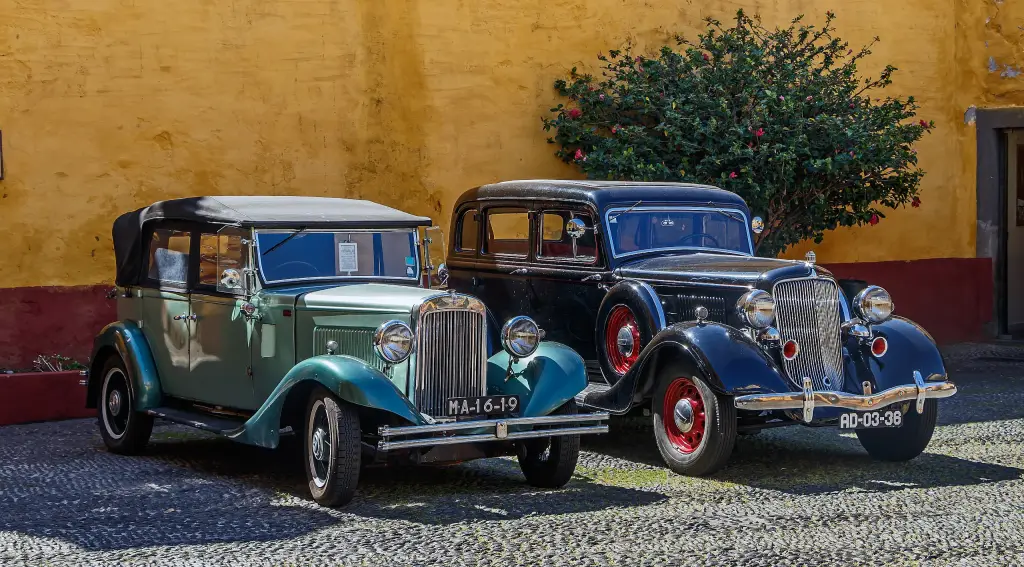
Austin 12 versions
- Tourer, two/four-seater and coupé (1922).
- Saloons (from the later 1920s).
- Heavy Twelve (1930s): the updated car, distinguished from the Light Twelves.
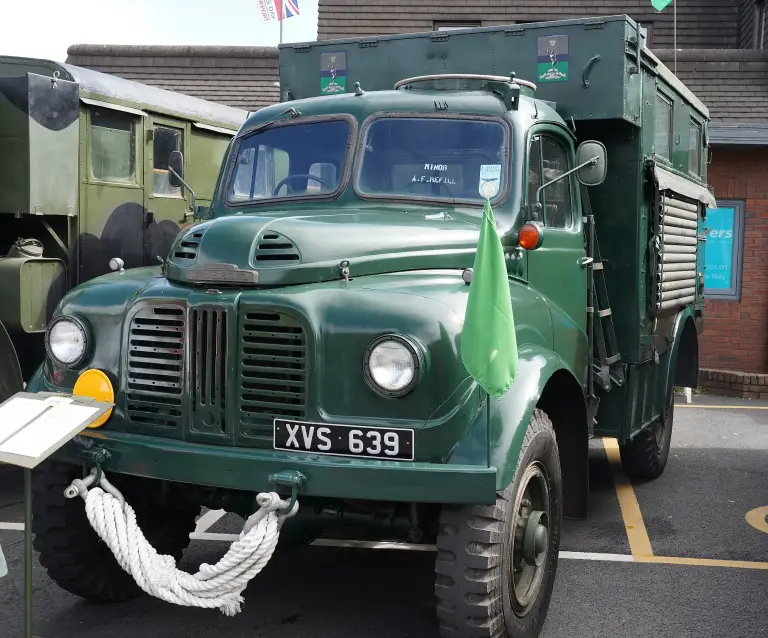
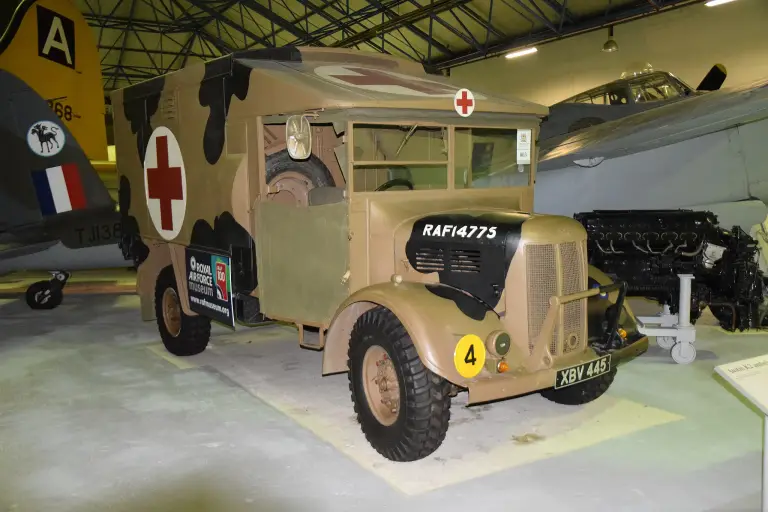
- Taxi and War Department cars: to 1939 and 1940.
More Austin cars are in our Austin collection, for example the Austin 7, the Austin 12/6 that followed it as a lighter Twelve and the Austin Twenty.
Austin 12 questions and answers
When was the Austin Twelve introduced?
In November 1921.
Why is it called Twelve?
The number is its fiscal horsepower (12.8), not its brake horsepower.
How many sold in the best year?
14,000, in 1927.
What is the Heavy Twelve?
The nickname of the old Twelve in the 1930s, to tell it from the Light Twelves.
When did it end?
The catalogue entry ran to 1939 and the last cars were built for the War Department in 1940.
Video: 1928 Austin 12/4 On A Test Drive.
Video by Martyn Griffiths on YouTube.
Sources
- Austin 12, English Wikipedia: history, overview and later years