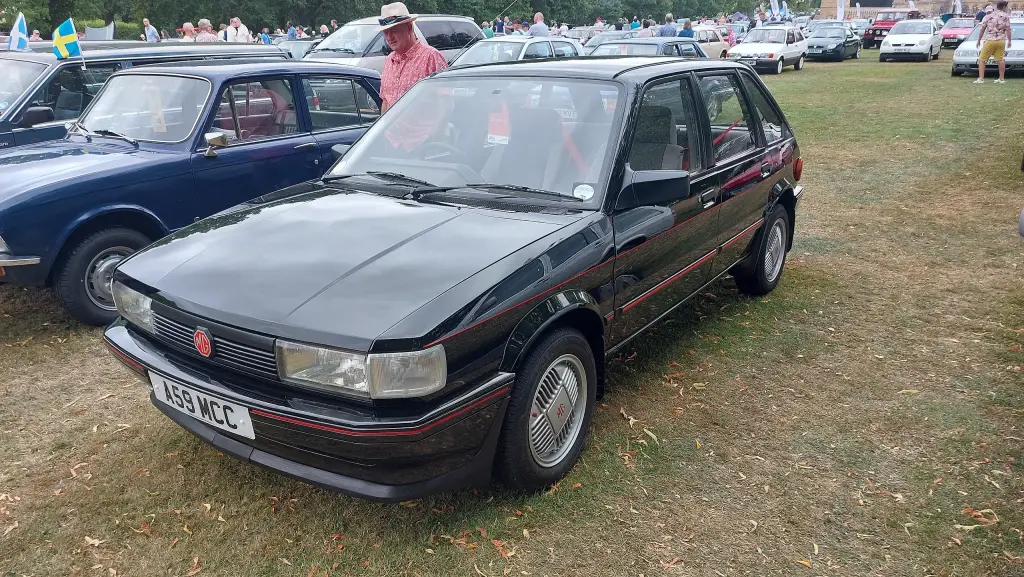
The Austin Maestro is a small family car which was produced in Oxford, England, from November 1982 to December 1994. There are two body styles, a five-door hatchback and a two-door van. It was introduced by British Leyland under the Austin marque, with the Rover Group selling it simply as the Maestro starting from 1988.
Austin Maestro at a glance
| Produced | November 1982 to December 1994 |
|---|---|
| Body styles | five-door hatchback and two-door van |
| Plant | former Morris plant at Cowley, Oxford |
| Units sold | 605,000 |
| MG version | MG Maestro, 1983 to 1991 |
| Replaced | the Austin Maxi and Austin Allegro; the van replaced the Morris Ital van |
| Project | LC10 (Maestro LM10) |
| Afterlife | kits assembled in Varna, Bulgaria, 1995–1996; derivatives made in China 1998–2017 |
This page is based on English Wikipedia only (a trusted source), so the facts were not cross-checked against a second source.
History of the Austin Maestro
British Leyland was created in 1975 when the bankrupt British Leyland Motor Corporation was nationalized. In 1977 the South African-born troubleshooter Michael Edwardes became chairman. Part of his plan was a completely new range of mass-market models: one new vehicle for each of the small, lower-medium and upper-medium segments. The first of these was the Austin Metro in 1980.
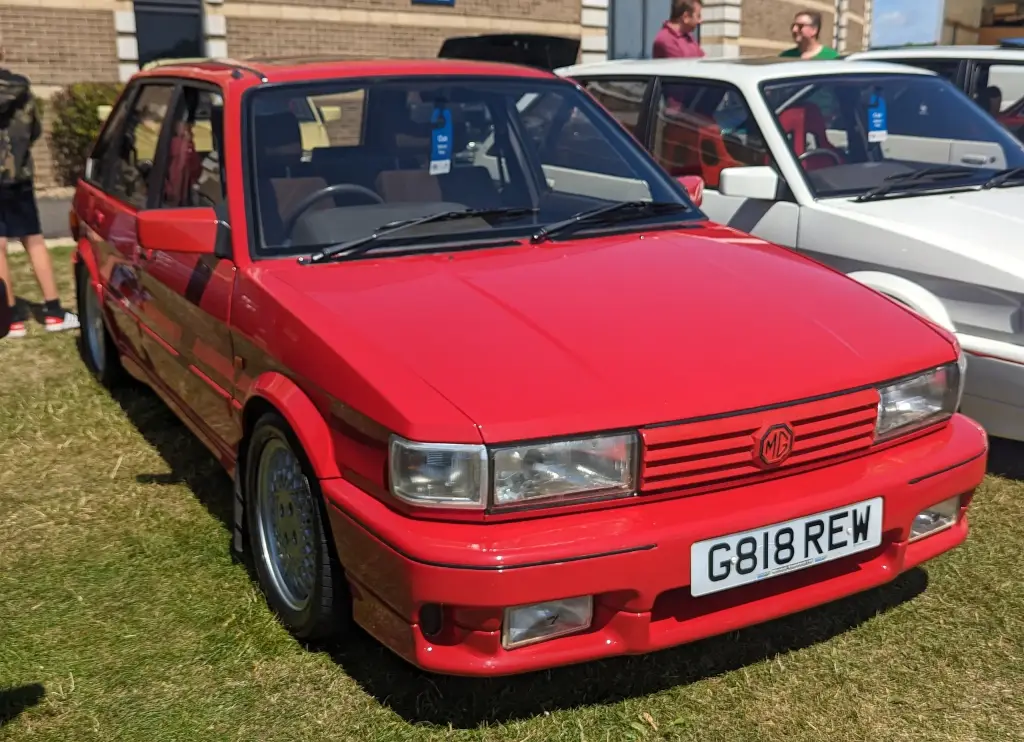
The lower and upper medium cars were to share a platform with trim and styling differences. In effect the Maestro would replace both the Austin Allegro and Maxi, while the Montego replaced the Austin Ambassador and the Morris Ital, these latter two being recent facelifts of the Princess and the Marina. Since all but the Allegro were made at Cowley, this rationalization would give the cost benefits of production automation and flexibility. The common platform was given the project name LC10, in the Leyland Cars sequence where LC8 became the Metro and LC9 the Triumph Acclaim. Preliminary design work began in 1977.
Long life
The Maestro was produced over twelve years with little change to its basic design, and 605,000 units were sold in total. Later model years were sometimes informally called the Rover Maestro, although the car never wore the Rover badge. After UK production ended, knock-down kits were assembled in Varna, Bulgaria, from 1995 to 1996 under the Rodacar joint venture, and various derivatives were also made in China from 1998 to 2017. The Austin Montego saloon was a variant of the Maestro.
Design and features
- Body: five-door hatchback or two-door van.
- Design aim: one platform shared with the Montego, built at Cowley.
- Range: an MG-branded performance version.
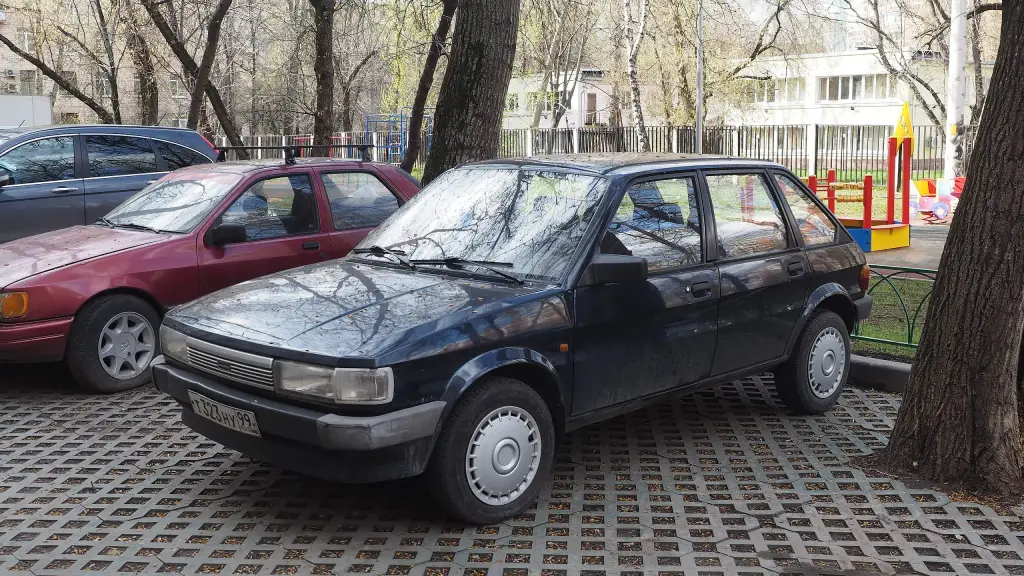
Austin Maestro versions
- Austin Maestro (1982–1988) and Maestro (1988–1994).
- MG Maestro (1983–1991).
- Maestro van.
More Austin cars are in our Austin collection, for example the Montego that shared its platform, the Metro and the Allegro it replaced.
Austin Maestro questions and answers
When was the Austin Maestro built?
From November 1982 to December 1994.
What did it replace?
The Austin Maxi and Austin Allegro.
How many were sold?
605,000.
Was there an MG version?
Yes, the MG Maestro from 1983 to 1991.
Was it made outside Britain?
Yes: kits in Bulgaria 1995–1996 and derivatives in China 1998–2017.
Video: The history Of The Austin Maestro
Video by Men and Motors on YouTube.
Sources
- Austin Maestro, English Wikipedia: background and design