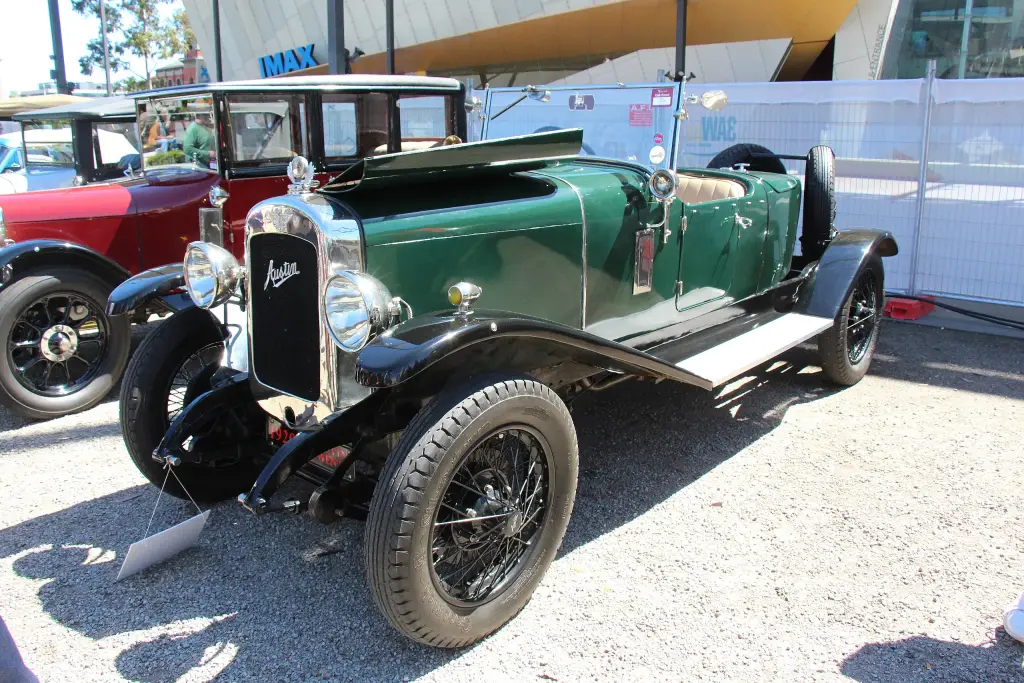
The Austin Twenty is a large car introduced by Austin after the end of the First World War in April 1919 and produced until 1930. After the Austin 20/6 model was introduced in 1927, the first model was referred to as the Austin 20/4.
Austin Twenty at a glance
| Introduced | April 1919 |
|---|---|
| Produced | until 1930 |
| Models | 20/4 (original), 20/6 from 1927 |
| Engine | 3.6-litre four-cylinder (20/4) |
| Capacity | Longbridge could make 150 cars a week |
| Sales | only about 3,000 sold by July 1920 |
| Racing | Brooklands, with works drivers Lou Kings and Arthur Waite |
| Last interwar version | the side-valve Twenty-Eight of 1939 |
This page is based on English Wikipedia only (a trusted source), so the facts were not cross-checked against a second source.
History of the Austin Twenty
Before 1919, Austins had been expensive, prestige cars. Influenced by Henry Ford’s manufacturing philosophy, Herbert Austin decided that the future was in mass-producing a single model and chose the 20 hp class. The Longbridge plant had been considerably enlarged for wartime production, giving the capacity to make 150 cars a week. During the war Austin owned an American Hudson Super Six, which he clearly admired; its overall layout formed a basis for the design of the new one-model car.
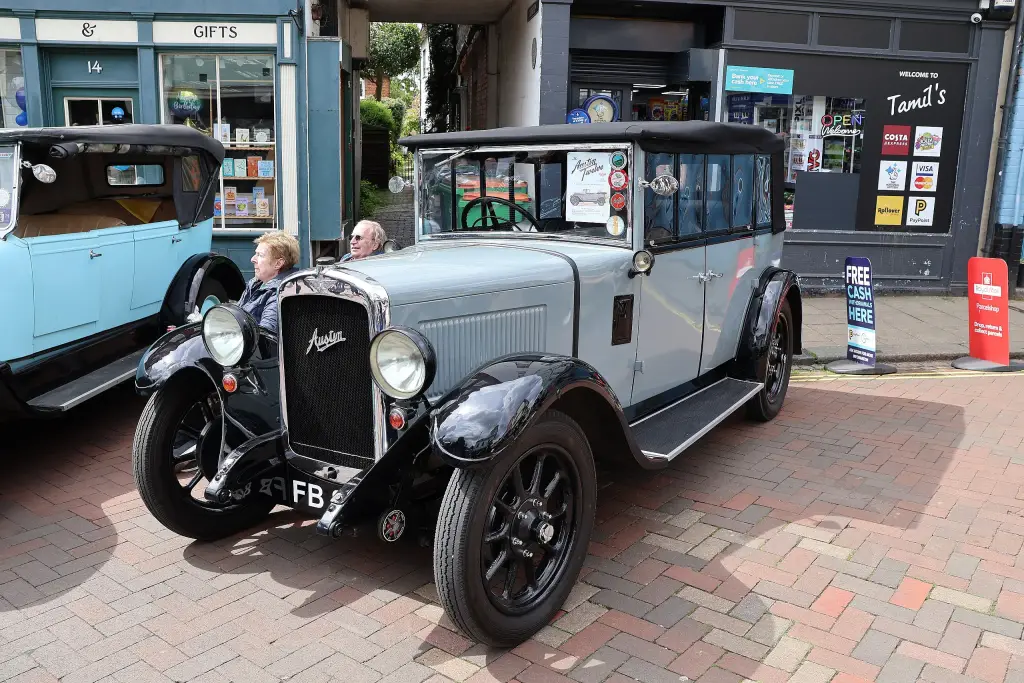
The car proved too large for the home market: only about 3,000 Twenties had been sold by July 1920. The Times, in a long item at the beginning of June 1920, admired Austin’s enterprise in launching “a car made on American lines” but wrote that the result was good but not of the class of the old 20 hp, that the finish was poor and the engine vibrated at anything over moderate speeds, while praising it as an excellent hill-climber with very good steering and excellent wheel brakes.
Racing and legacy
If the coachwork were light enough, the Twenty could give a three-litre Bentley a run for its money, and the four-cylinder Twenty found fame at Brooklands both in private hands and with works drivers Lou Kings and Arthur Waite, Herbert Austin’s Australian son-in-law and competitions manager. The final interwar version was the side-valve Twenty-Eight of 1939. The overhead-valve (25) Sheerline and its Princess companion continued the line after the Second World War; by the 1930s, however, Austin had lost its aristocratic cachet, having become well known for its Twelves and Sevens.
Design and features
- Policy: a single large model made on American lines.
- Inspiration: the layout of the Hudson Super Six.
- Racing: a Brooklands car in private and works hands.
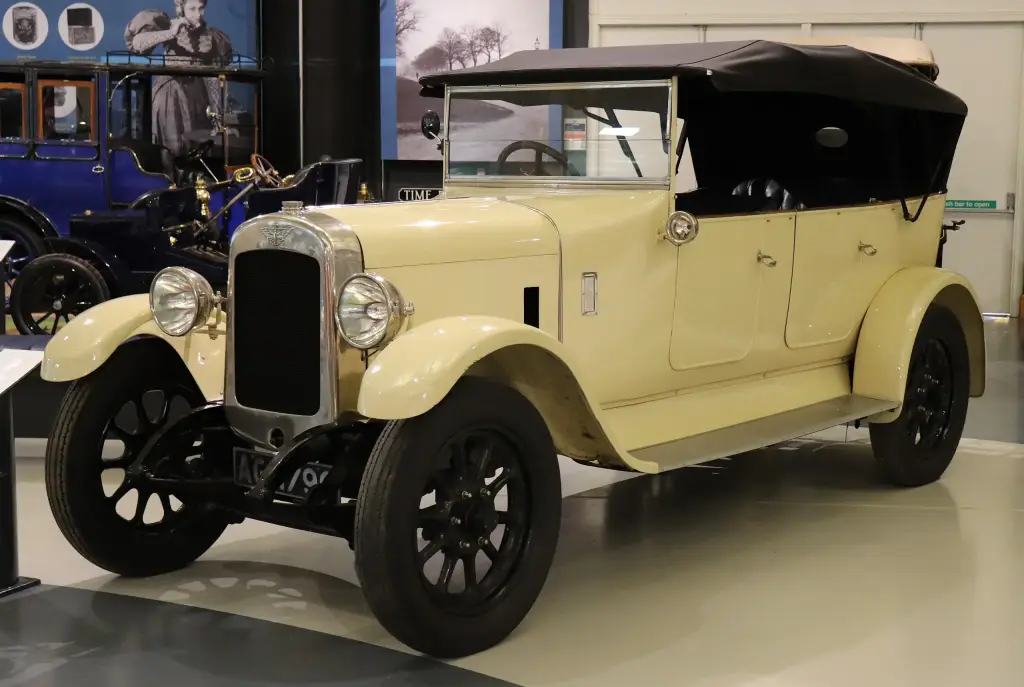
Austin Twenty versions
- Twenty 20/4 (1919–1930): the original four-cylinder car.
- Twenty 20/6 (from 1927): the six-cylinder model.
- Twenty-Eight (1939): the last side-valve version.
More Austin cars are in our Austin collection, for example the Austin 12, a scaled-down Twenty, the Sheerline that continued the line and the Austin 16.
Austin Twenty questions and answers
When was the Austin Twenty built?
From April 1919 to 1930.
What was the one-model policy?
Herbert Austin’s plan to mass-produce one large model, the 20 hp.
Why did the Twenty sell slowly?
It proved too large for the home market, with about 3,000 sold by July 1920.
What car inspired it?
The American Hudson Super Six that Herbert Austin owned.
Did it race?
Yes, at Brooklands, with works drivers Lou Kings and Arthur Waite.
Video: 1928 Austin 20/6 Van
Video by John Barringer on YouTube.
Sources
- Austin Twenty, English Wikipedia: one-model policy, reception, racing