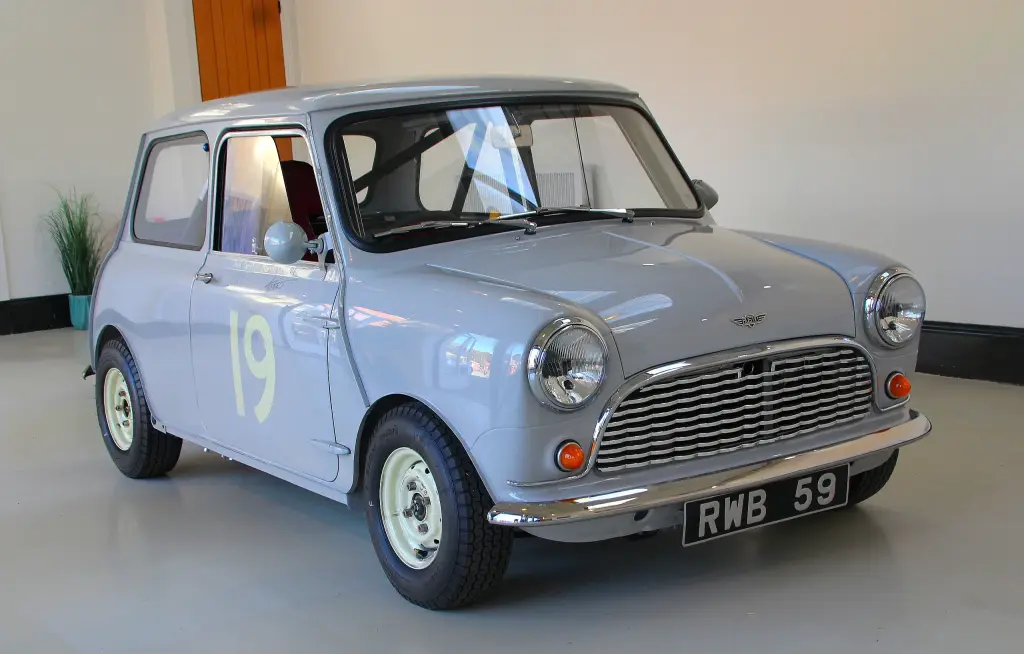
The Mini is a two-door, four-seat small car produced for four decades over a single generation, with many names and variants, by the British Motor Corporation and its successors British Leyland and the Rover Group, and finally briefly under BMW ownership. Initially it was marketed under the Austin and Morris names, as the Austin Seven and Morris Mini-Minor.
Austin Mini at a glance
| Produced | 1959 to 2000, with a brief 1990s hiatus |
|---|---|
| Built | an estimated 5.38 million |
| Designer | Sir Alec Issigonis |
| Layout | transverse engine, integrated sump transmission, front-wheel drive; 80% of the floorpan for passengers and luggage |
| Names | Austin Seven and Morris Mini-Minor; Austin Mini from 1962; marque in its own right from 1969 |
| Body styles | saloon, estate, convertible, van, pick-up and Moke |
| Rally | Cooper and Cooper S won the Monte Carlo Rally in 1964, 1965 and 1967 |
| Factories | Longbridge and Cowley in England, Australia, Spain, Belgium, Italy, Chile, Malta, Portugal, South Africa, Uruguay, Venezuela and Yugoslavia |
This page is based on English Wikipedia only (a trusted source), so the facts were not cross-checked against a second source.
History of the Austin Mini
The Mini was designed for BMC by Sir Alec Issigonis. Its space-saving transverse engine, integrated sump transmission and front-wheel-drive layout, allowing 80% of the area of the floorpan to be used for passengers and luggage, influenced a generation of car makers. The same layout was used in many other “supermini” designs such as the Honda N360 (1967), Nissan Cherry (1970) and Fiat 127 (1971), and was adapted for larger subcompacts.
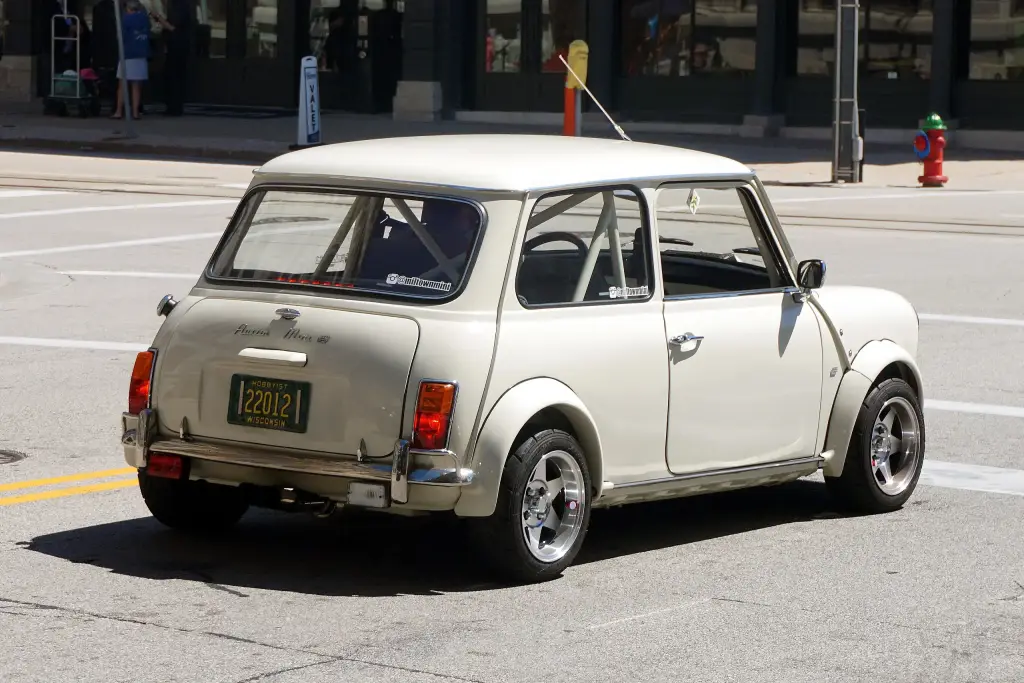
The Austin Seven was renamed Austin Mini in 1962, and Mini became a marque in its own right in 1969. Retrospectively the car is known as the “Classic Mini” to distinguish it from the modern MINI family built since 2001 by BMW, which took ownership of the name after the sale of Rover Group in 2000.
Updates and variants
The Mini Mark I had three major UK updates: the Mark II, the Clubman and the Mark III. Within these was a series of variations, including an estate car, a pick-up, a van and the Mini Moke, a jeep-like buggy. The performance versions, the Mini Cooper and Cooper S, were successful as both race and rally cars, winning the Monte Carlo Rally in 1964, 1965 and 1967.
Legacy
In 1999 the Mini was voted the second-most influential car of the 20th century, behind the Ford Model T and ahead of the Citroën DS and Volkswagen Beetle. It is also considered an icon of 1960s British popular culture. In 1980 British Leyland launched its follow-up, the Metro.
Design and features
- Layout: transverse engine and front-wheel drive in a very small body.
- Space: 80% of the floor area for people and luggage.
- Influence: the layout was copied across the industry.
Austin Mini versions
- Austin Seven and Morris Mini-Minor (1959).
- Mini Cooper and Cooper S: the performance versions.
- Estate, pick-up, van and Moke.
- Mark II, Clubman and Mark III.
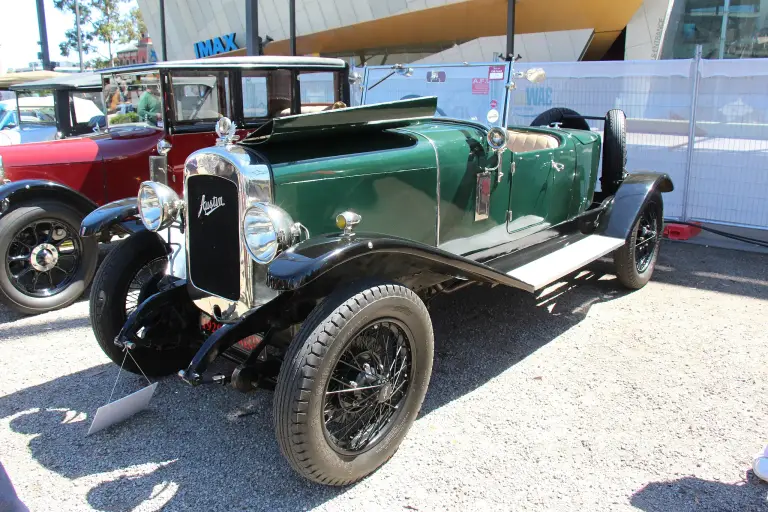
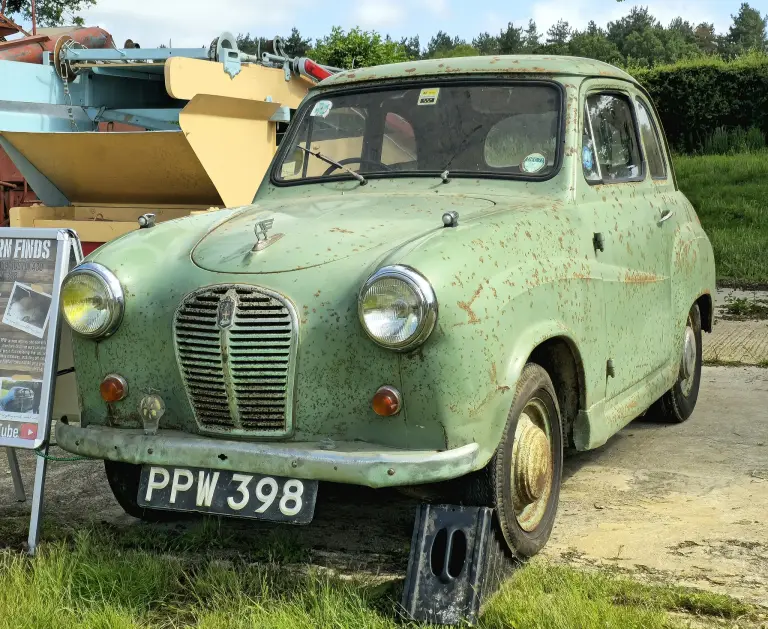
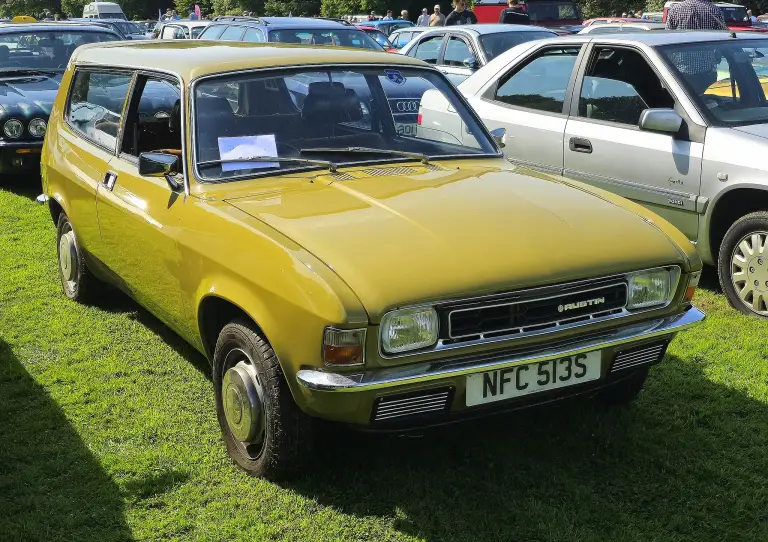
More Austin cars are in our Austin collection, for example the Metro that followed it, the 1100 and the Austin Seven of the 1920s.
Austin Mini questions and answers
Who designed the Mini?
Sir Alec Issigonis, for BMC.
When was it built?
From 1959 into 2000, about 5.38 million in all.
Was it first called the Austin Seven?
Yes, as the Austin Seven and the Morris Mini-Minor; the Austin Seven became the Austin Mini in 1962.
What did the Cooper win?
The Monte Carlo Rally in 1964, 1965 and 1967.
What replaced it?
The Metro in 1980 followed it, although the Mini outlived it.
Sources
- Mini, English Wikipedia: design, variants and legacy