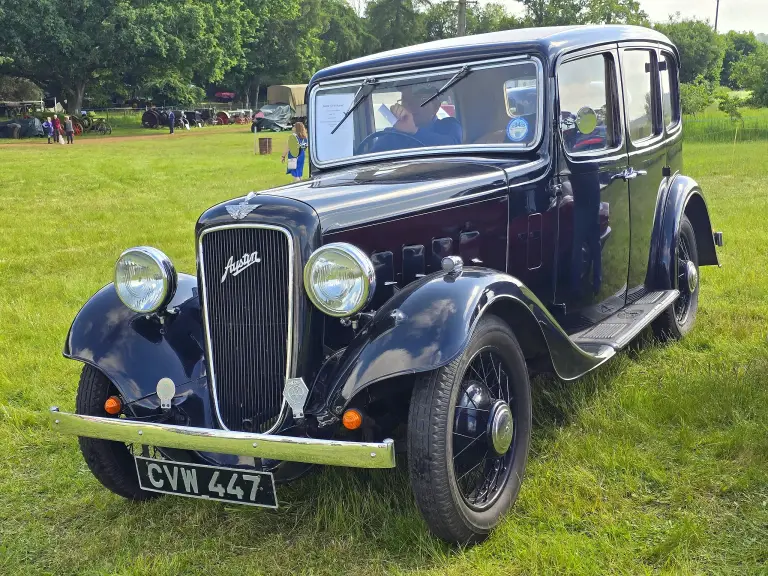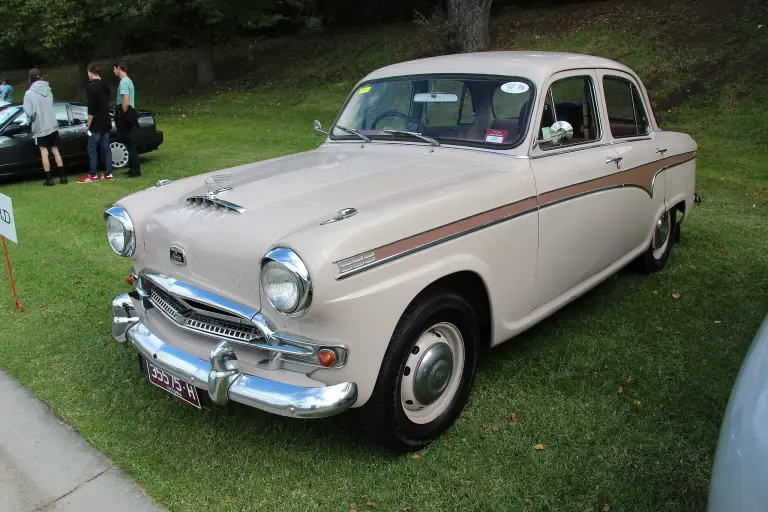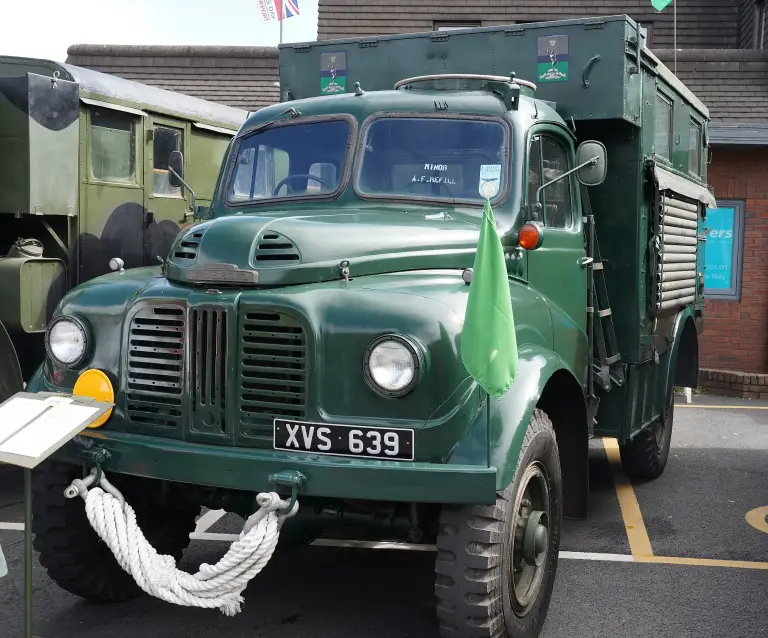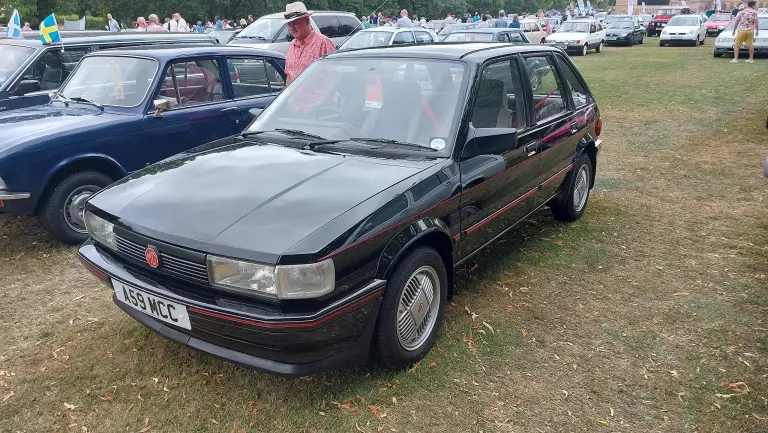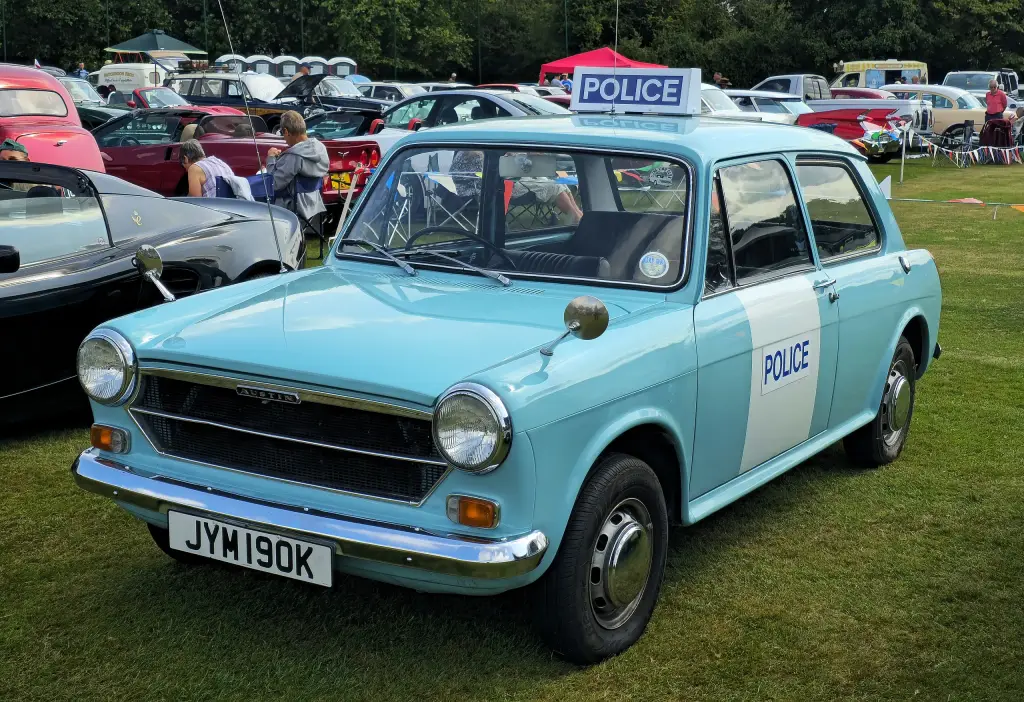
The BMC ADO16 is a range of small family cars built by the British Motor Corporation (BMC) and, later, British Leyland. Launched in 1962, it was Britain’s best-selling car from 1963 to 1966 and from 1968 to 1971. The ADO16 was marketed globally under various make and model names; the most prolific variant was the Austin 1100 and Morris 1100.
Austin 1100 and 1300 at a glance
| Launched | 15 August 1962 as the Morris 1100; Austin 1100 in August 1963 |
|---|---|
| Production | 2.3 million between 1962 and 1974, more than half in the UK |
| Best seller | Britain’s best-selling car 1963–1966 and 1968–1971 |
| Names | 1100, or 1300 with the 1,275 cc engine |
| Austin names | 1100, 1300, 1300GT, 11/55, America, Apache, De Luxe, Glider, Victoria |
| Built at | Austin versions at Longbridge; Morris and MG at Cowley; also in Spain, Italy, Yugoslavia, Belgium |
| Replaced by | the Morris Marina and Austin Allegro, 1971–1974 |
This page is based on English Wikipedia only (a trusted source), so the facts were not cross-checked against a second source.
History of the Austin 1100 and 1300
At the height of its popularity the car was widely known as the 1100 in its home market, or as the 1300 when equipped with the 1,275 cc engine. In production for 12 years, ADO16 production reached 2.3 million between 1962 and 1974, more than half of those sold in the UK home market. British Leyland phased out the 1100/1300 between 1971 and 1974 in favour of the Morris Marina and the Austin Allegro.
Naming and builders
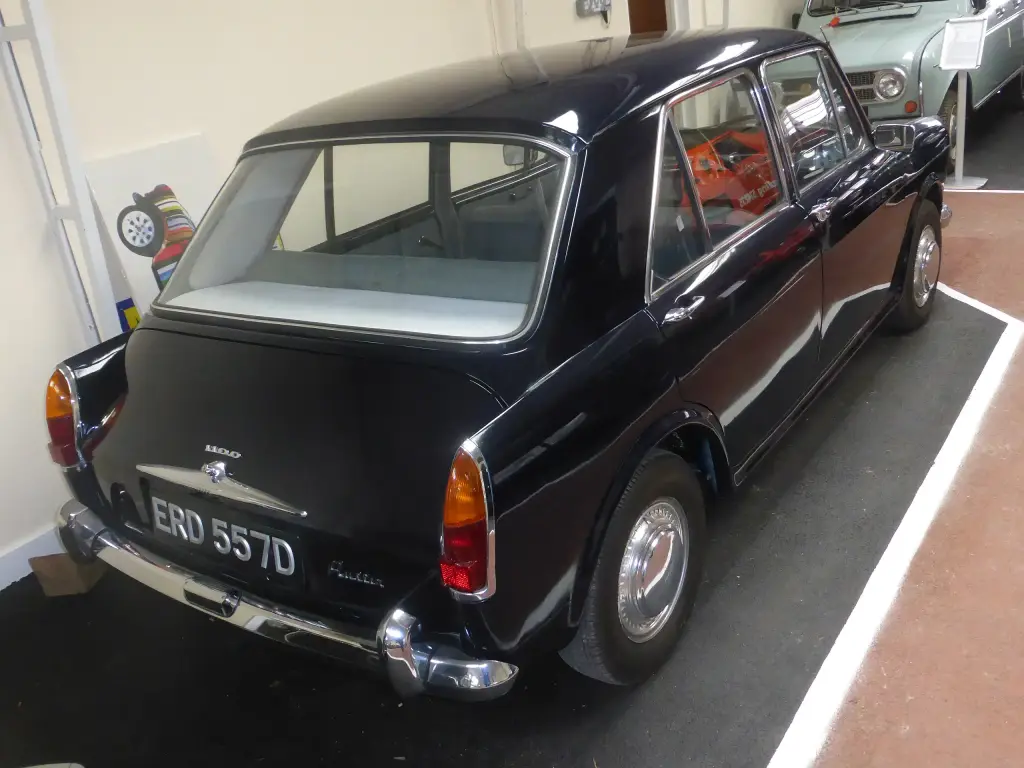
The ADO16 was marketed under numerous makes and models: Austin 1100, 1300 and 1300GT, the Austin 11/55, America, Apache, De Luxe, Glider and Victoria, Innocenti versions in Italy, and MG, Morris, Riley, Vanden Plas and Wolseley variants. In line with BMC’s policy at the time, Austin-badged versions were built at Longbridge, whilst Morris and MG versions were assembled at Cowley. Some were also built in Spain by Authi, in Italy by Innocenti, in Yugoslavia (Slovenia) by IMV and at the company’s own plant in Belgium, and it was the basis for similar locally adapted cars in Australia and South Africa. Versions were assembled in New Zealand and Malta from CKD kits from 1963 until the last Austin and Morris versions were discontinued in 1974, a year after the launch of the Allegro.
Launch
The vehicle was launched as the Morris 1100 on 15 August 1962. The range was expanded to include several rebadged versions, including the twin-carburettor MG 1100 (introduced at the end of September 1962) and the Austin 1100 (August 1963).
Design and features
- Names: sold under many badges, with the Austin 1100 the most common.
- Engine sizes: 1,100 cc and 1,275 cc.
- Export: built or assembled in several countries.
Austin 1100 and 1300 versions
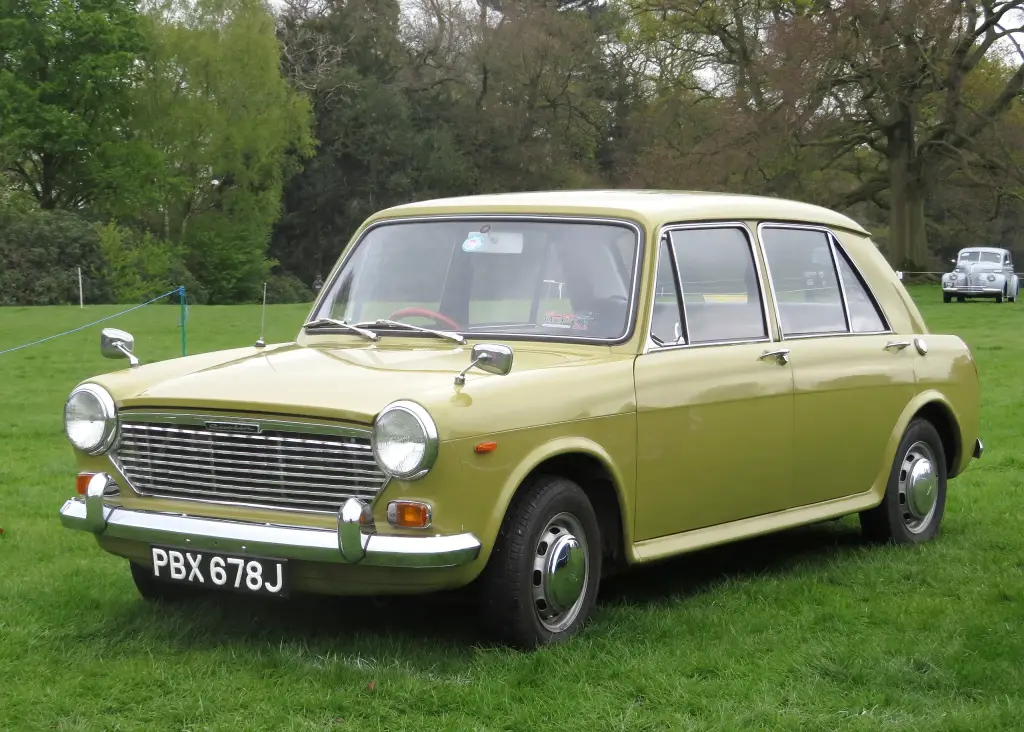
- Austin 1100, 1300 and 1300GT.
- Austin America (US market).
- Morris, MG, Riley, Wolseley and Vanden Plas versions.
More Austin cars are in our Austin collection, for example the Allegro that replaced it, the 1800 and the Mini.
Austin 1100 and 1300 questions and answers
What is the Austin 1100?
The Austin version of the BMC ADO16, launched in August 1963.
What is the 1300?
The ADO16 with the 1,275 cc engine.
How many were made?
2.3 million between 1962 and 1974.
Was it a best seller?
Yes, Britain’s best-selling car from 1963 to 1966 and 1968 to 1971.
What replaced it?
The Morris Marina and the Austin Allegro.
Video: Waking up my Austin 1100 from hibernation
Video by ollimk on YouTube.
Sources
- BMC ADO16, English Wikipedia: naming, production and history