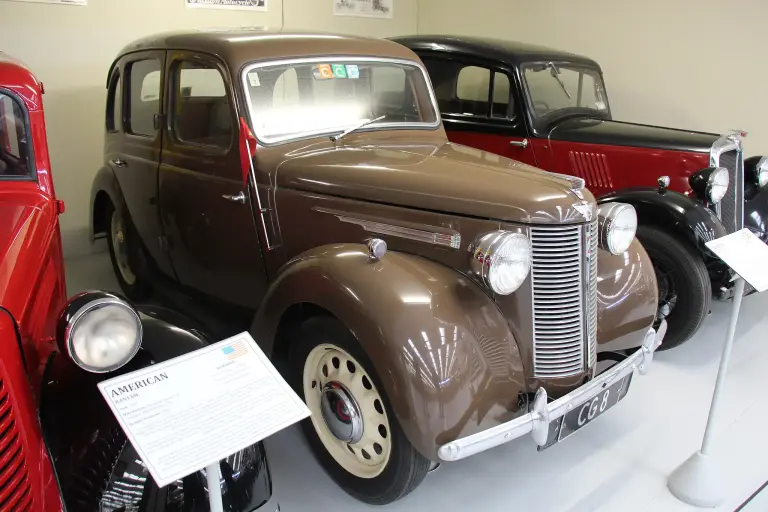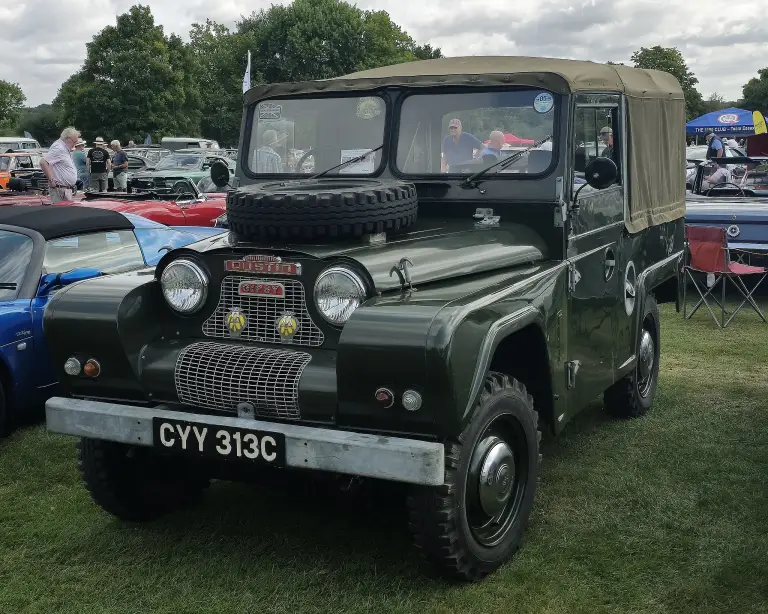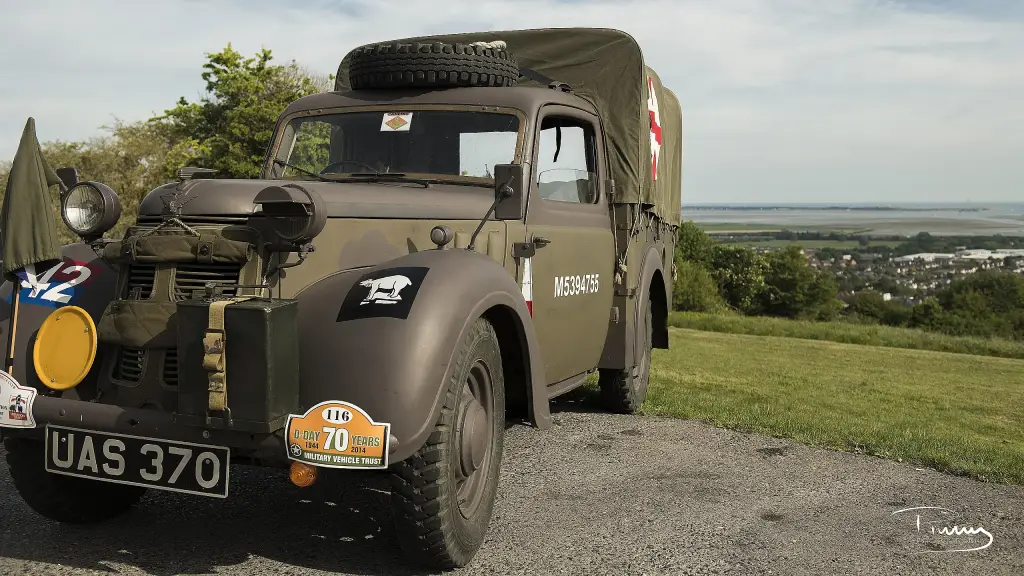
A Tilly, from “Utility”, is a utility vehicle produced during the Second World War, based on existing car designs, for use by the British armed forces. Austin built Tillys on its 8 and 10 chassis.
Austin Tilly at a glance
| Meaning | Tilly = Utility |
|---|---|
| Official class | Car, Light Utility 4 x 2 |
| Arranged by | the Ministry of Supply with major British makers, mainly through Lord Nuffield of Morris Motors |
| Body | simple pickup load bed under a canvas “tilt”; two or three seats in the cab |
| Electrics | 12-volt military system instead of the civilian 6-volt |
| Austin versions | Austin 10 Tilly and the Austin 8AP military tourer, 9,000–9,500 of the latter |
| Engines | low-compression variants of the civilian engines |
History of the Austin Tilly
At the outbreak of the war the British Army was still in the final stages of mechanisation. All but two of the 22 regular cavalry regiments had been mechanised by 1940, and trucks in the 0.75- to 3-ton range had been brought into service during the late 1930s. There was, however, a widespread shortage of vehicles of all sizes, and in particular a lack of light vehicles for liaison, communication, transport, casualty evacuation and general utility work at company or battalion level.
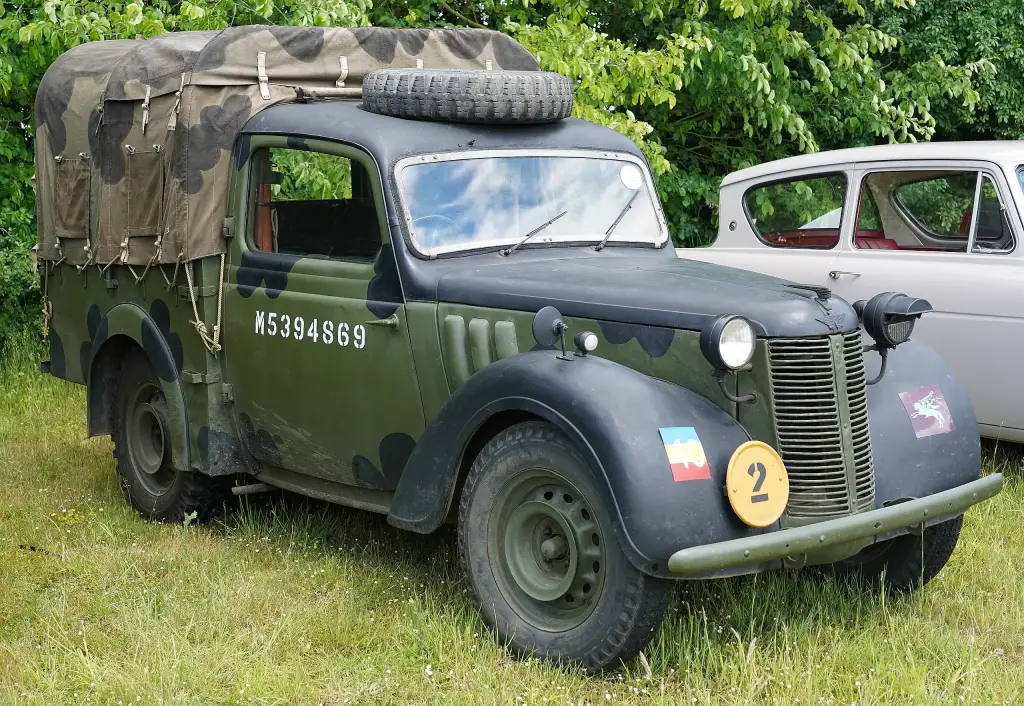
Faced with this shortage, the Ministry of Supply co-ordinated with the major British car manufacturers, primarily through Lord Nuffield of Morris Motors, to produce military utility versions of their existing mid-size saloon cars. They were all officially classed as Car, Light Utility 4 x 2.
How a car became a Tilly
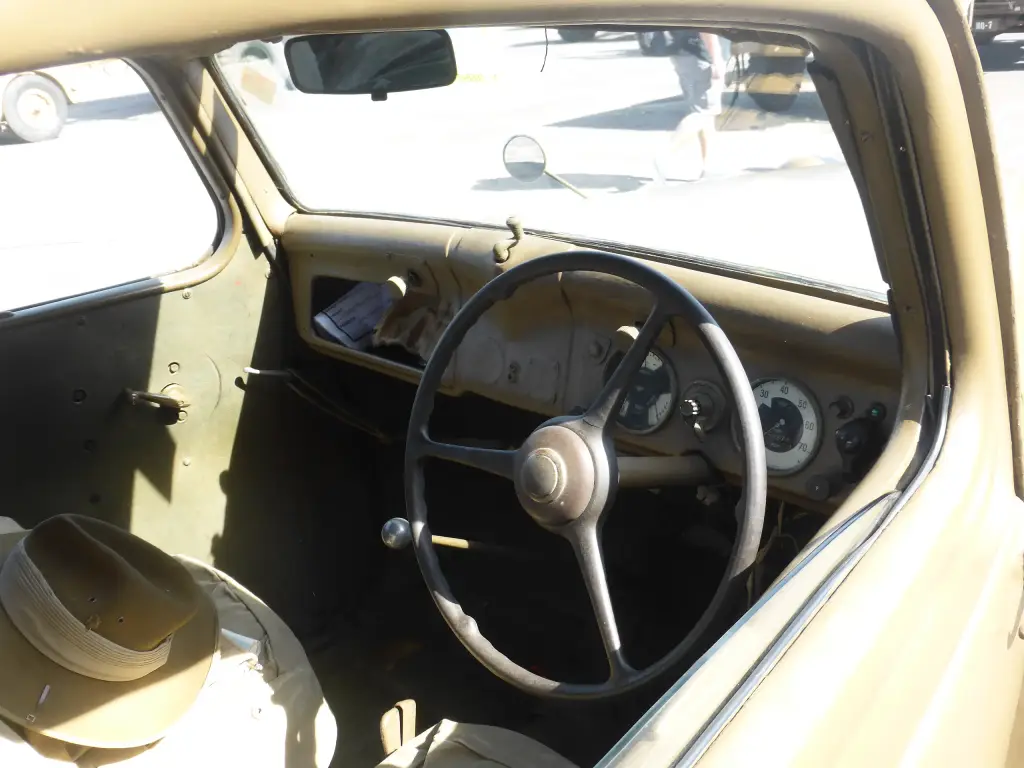
The adaptation varied in detail but was broadly the same. The rear body was swapped for a simple pickup load bed covered by a canvas roof, known as a “tilt”, making the Utility a two- or three-seater in the cab. The bodywork was simplified for ease and economy of production, with some models having angular flat-panel wings or doors, and some cast or moulded body parts were swapped for simpler pressed-steel stampings. Paint replaced chrome on the grille and bumpers, and in some cases the ornate grille was deleted altogether and replaced by simple wire mesh. Interiors and seats were simplified and untrimmed, with paint in place of bakelite and no carpets or leather. The usual civilian 6-volt electrical systems were swapped for the military-standard 12 volts, and parts such as headlamps were smaller types, standardised across all models. Engines were low-compression varieties.
Austin Tillys
The Austin 10 Tilly is the best known. The Austin 8 page adds that just before and during the war a special Austin 8 “tilly”, the 8AP Military Tourer, was made, and that roughly 9,000 to 9,500 of the wartime Austin 8s were two-seater military 8AP tourers for the armed services and government.
Design and features
- Body: a pickup load bed with a canvas tilt.
- Simplification: flat-panel wings, mesh grilles, painted trim and untrimmed interiors.
- Electrics: 12-volt, with standardised headlamps.
Austin Tilly versions
- Austin 10 Light Utility (Tilly): the 10 hp car in utility form.
- Austin 8AP Military Tourer: the two-seater 8 hp utility.
More Austin cars are in our Austin collection, for example the Austin 10 and the Austin 8 on which the Tillys were based, and the Champ, the post-war Army light vehicle.
Austin Tilly questions and answers
What is a Tilly?
A light utility vehicle of the Second World War, from the word Utility, based on a car design.
Who built them?
Several British makers, coordinated by the Ministry of Supply; Austin built them on the 10 and 8.
What was the official name?
Car, Light Utility 4 x 2.
How did a Tilly differ from the car?
A pickup body with a canvas tilt, simplified trim, 12-volt electrics and low-compression engines.
How many Austin 8AP were built?
Roughly 9,000 to 9,500.
Video: Steve’s Military WW2 Austin Utility
Video by Robert Cassar on YouTube.
Sources
- Tilly (vehicle), English Wikipedia: history and construction
- Austin 8, English Wikipedia: the 8AP military tourer