The Austin A30 is a small family car produced by Austin from May 1952 to September 1956. It was launched at the 1951 Earls Court Motor Show as the “New Austin Seven” and was Austin’s competitor with the Morris Minor.
Austin A30 at a glance
| Produced | May 1952 to September 1956 |
|---|---|
| Launch | 1951 Earls Court Motor Show, as the New Austin Seven |
| Price at launch | £507, undercutting the Minor by £62 |
| Construction | fully stressed monocoque, chassis-less; the first Austin built this way |
| Body styles | 4-door saloon; 2-door from late 1953; van and Countryman estate from 1954 |
| Built | 223,264 |
| Styling | first clay models by Holden “Bob” Koto of the Raymond Loewy studios, revised by Dick Burzi |
| Replaced by | the Austin A35 in 1956 |
This page is based on English Wikipedia only (a trusted source), so the facts were not cross-checked against a second source.
History of the Austin A30
Holden “Bob” Koto, from the Raymond Loewy design studios, created the first clay models for the A30; Austin then had its head of styling, Dick Burzi, revise the design, partly to reduce cost.
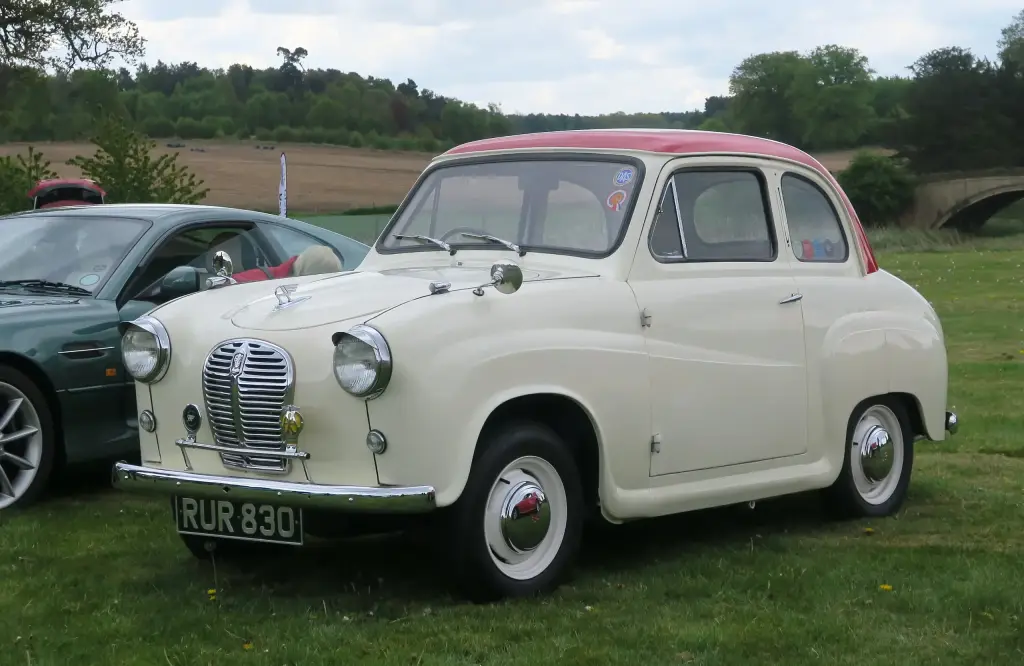
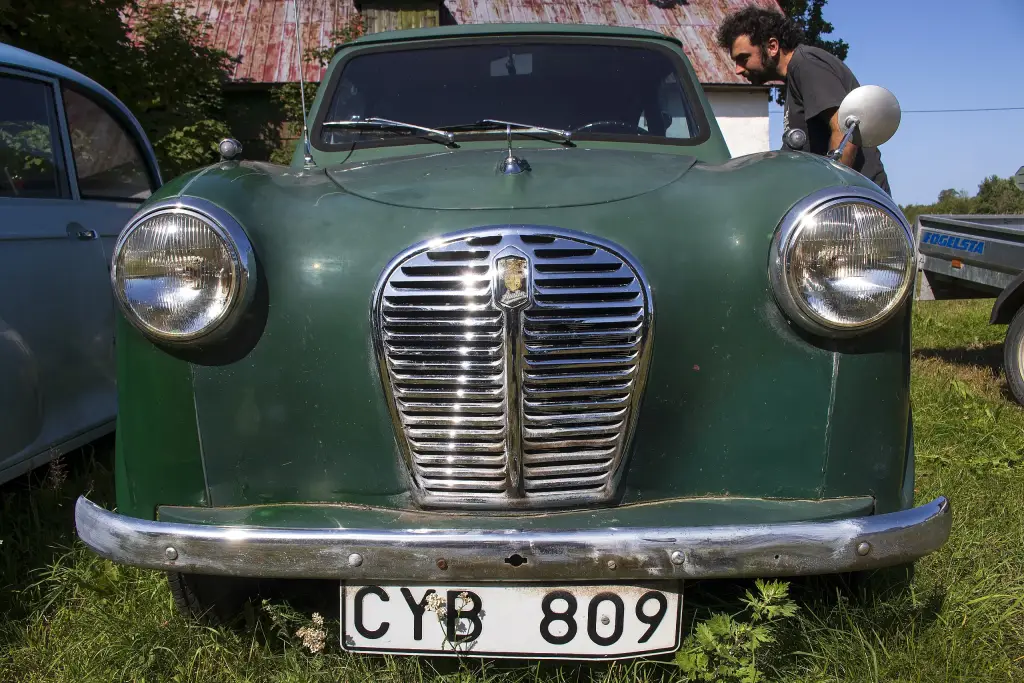
The body structure was designed by T. K. Garrett, a former aeronautical engineer. It was of fully stressed monocoque, chassis-less construction, which made it lighter and stiffer than most contemporary cars, and the first Austin to be made that way. Inside there were individual seats at the front and a bench at the rear covered in PVC, with leather facings optional. Economy showed in the original AS3 version, which had a single windscreen wiper, a central combined stop, tail and number-plate lamp and a sun visor in front of the driver only; a passenger-side wiper, sun visor and heater were optional extras. The AS3 also had a round speedometer, a side-mounted fuel filler and a smaller grille with the Austin winged badge above.
Range
The car was originally only a 4-door saloon; 2-door variants came in late 1953, and in 1954 a van and a van-based Countryman estate were added. These later A30s had the trapezoidal speedometer and dual brake and side lights, and the fuel filler moved to the rear panel as in the A35. Despite a smaller loading capacity than the equivalent Minor-based vans, the Austin van offered the same payload and, slightly lighter and stiffer, was favoured by businessmen. One prototype sports tourer was built but never put into production; it is on display at the British Motor Museum at Gaydon.
The A30 was replaced by the A35 in 1956, by which time 223,264 A30s had been built. It has a smaller rear window than the A35, and trafficators that swing out from the B-pillar, operated by a knob on the dashboard, instead of modern indicators.
Design and features
- Body: a stressed monocoque, designed by T. K. Garrett.
- Interior: individual front seats and a PVC-covered rear bench.
- Early cars: the AS3 with one wiper, a round speedometer and a side-mounted fuel filler.
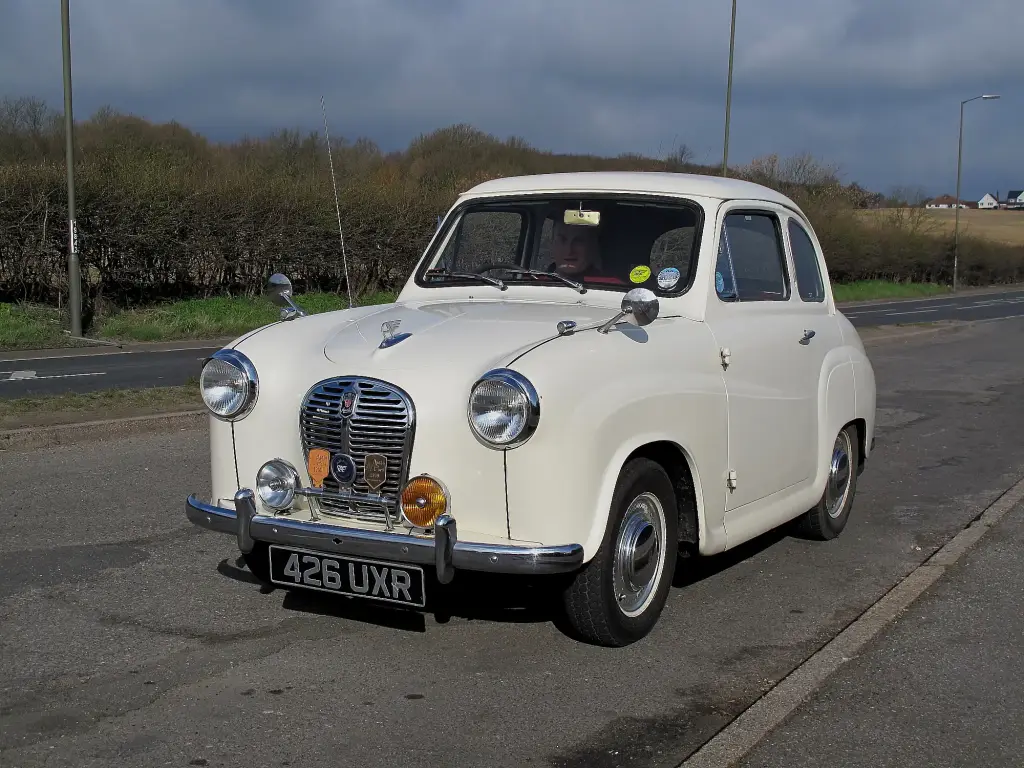
Austin A30 versions
- A30 saloon (1952): four-door, from late 1953 also two-door.
- A30 van and Countryman (1954): the commercial and estate versions.
- Sports Tourer: a single prototype.
More Austin cars are in our Austin collection, for example the Austin 7 whose name it first carried, the A35 that replaced it and the A40.
Austin A30 questions and answers
When was the Austin A30 built?
From May 1952 to September 1956.
What was it called at launch?
The New Austin Seven.
How much did it cost at launch?
£507, £62 less than the Morris Minor.
How many were made?
223,264.
What replaced it?
The Austin A35 in 1956.
Video: A Look At The Vintage Austin A30 & A35 British Motor Cars
Video by Men and Motors on YouTube.
Sources
- Austin A30, English Wikipedia: styling, features and range