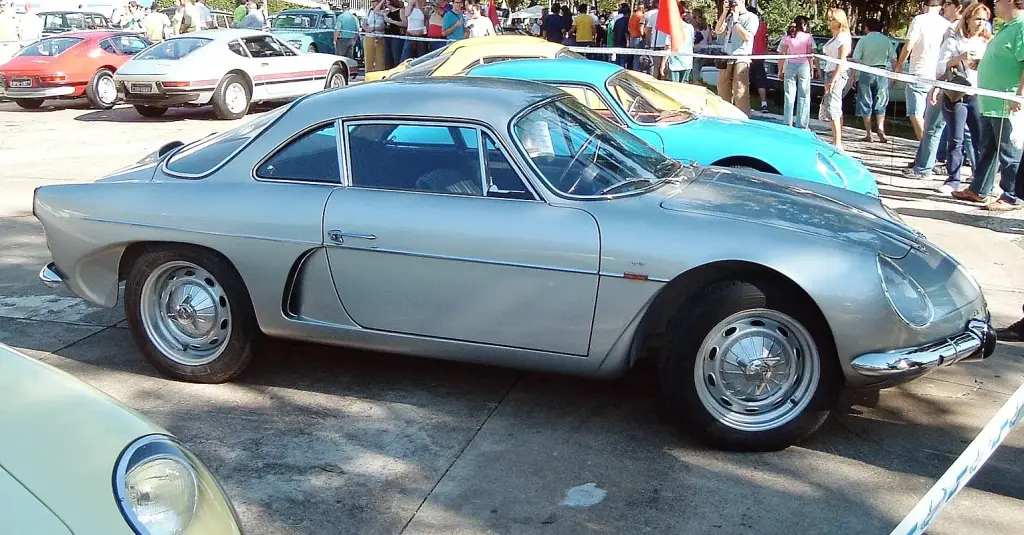
The Willys Interlagos was a sports car built in Brazil by Willys-Overland do Brasil under licence from Alpine. Essentially the French Alpine A108, it was made in São Bernardo do Campo, São Paulo, from 1962 to 1966 in berlinetta, coupé and convertible forms. It is regarded as the first sports car produced in Brazil, and 822 were built.
Willys Interlagos at a glance
| Maker | Willys-Overland do Brasil, under Alpine licence |
|---|---|
| Production | 1962–1966 |
| Built in | São Bernardo do Campo, São Paulo |
| Based on | Alpine A108 |
| Body | fibreglass, rear-mounted engine |
| Versions | Berlineta, Cupê, Conversível |
| Engines | 845, 904 and 998 cc four-cylinder |
| Power | 70–71 hp (998 cc) |
| Top speed | 160 km/h |
| 0–100 km/h | 14.1 s |
| Dimensions | 3.78 m long, 2.10 m wheelbase |
| Weight | 535 kg |
| Built | 822 |
The English page is the Alpine A108 on which the Interlagos was based; Brazilian details come from the Portuguese and German articles.
History of the Willys Interlagos
Alpine’s founder Jean Rédélé licensed his cars to several manufacturers. The agreement with Willys-Overland do Brasil was presented at the São Paulo motor show in 1961, where an Interlagos Berlineta was displayed. Production began in São Paulo, at first four and later eight cars a day, and continued until 1966. The name refers to the Interlagos circuit and was chosen to stress the sporting character of the model.
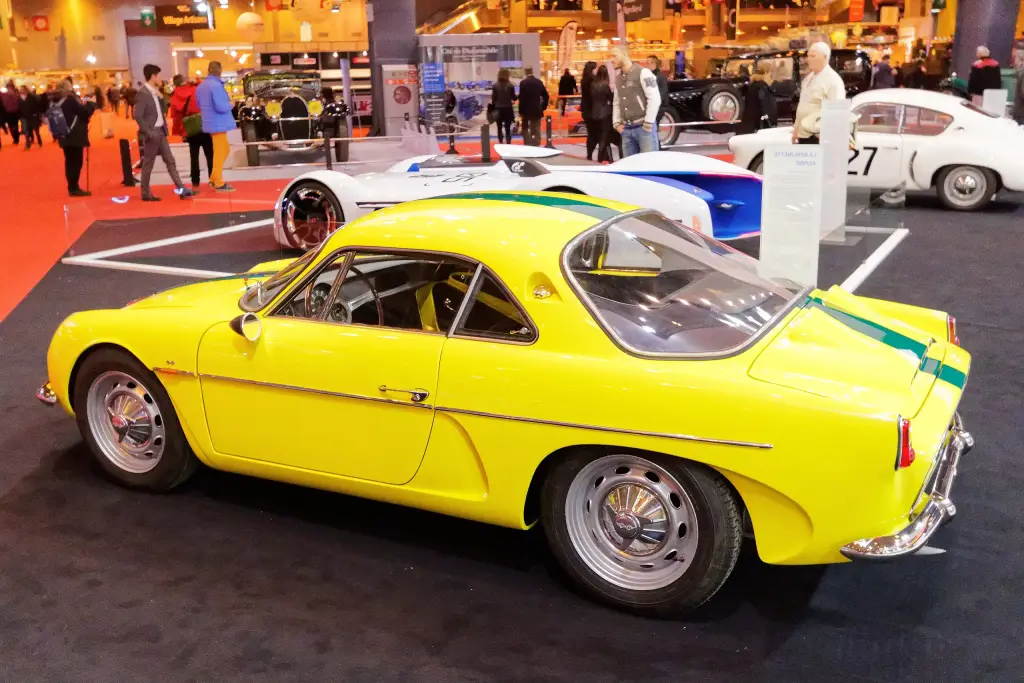
The car followed the Alpine A108: a light fibreglass body, a rear-mounted four-cylinder engine and independent suspension. The 998 cc version had a compression ratio of 9.8:1, a twin-choke carburettor and 70 hp, enough for 160 km/h and 0–100 km/h in 14.1 seconds; the car weighed 535 kg. Earlier cars used 845 and 904 cc engines, and the strongest 998 cc version was quoted at 71 hp in some sources.
Three versions were offered. The Berlineta was the rally car, sister to the A108 Berlinette, and was raced by drivers including Bird Clemente and the young Carlos Pace at the Guanabara Grand Prix, in Montevideo and at Interlagos itself. The Cupê corresponded to the 1960 A108 Coupé Sport, with a different roof and rear, and the Conversível was the cabriolet with a folding fabric top. Production ended in 1966 with 822 cars made. The name was revived in 2014 as the “New Interlagos” AW 380 show car by Maggiora and Carrozzeria Viotti, with a 3.8-litre twin-turbo engine of 610 hp.
Design and features
- Fibreglass body: light and easy to shape, an advantage in racing.
- Rear engine: a liquid-cooled four-cylinder mounted longitudinally behind the rear axle.
- Independent suspension: all round, as on the Alpine parent car.
- Racing career: the Berlineta was campaigned by works and private drivers in Brazil.
- Three body styles: berlinetta, coupé and convertible.
Willys Interlagos versions
- Interlagos Berlineta: the rally version, sister to the Alpine A108 Berlinette.
- Interlagos Cupê: the coupé, corresponding to the 1960 A108 Coupé Sport.
- Interlagos Conversível: the convertible with a folding fabric top.
- 845 and 904 cc cars: early versions with smaller engines.
- 998 cc cars: the strongest version, 70–71 hp and 160 km/h.
- New Interlagos AW 380 (2014): a modern show car revival, not part of the original production.
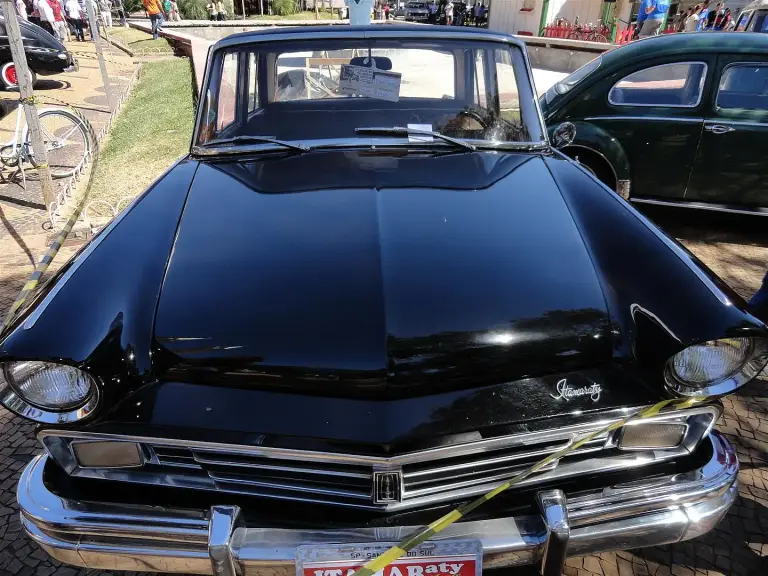
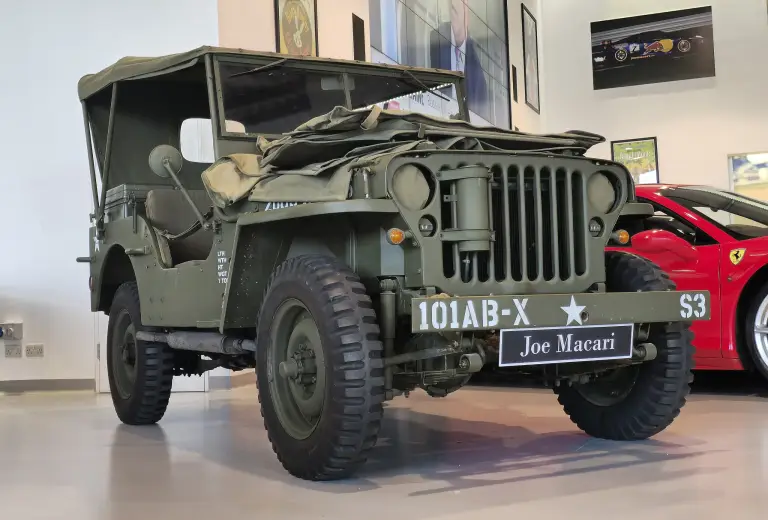
The Interlagos was the sports car of the Willys range, built alongside the Aero and Itamaraty. The American side of the marque is covered by the Willys MB.
Sources
- Alpine A108, English Wikipedia: origin, Brazilian production, 822 cars
- Willys Interlagos, Portuguese Wikipedia: versions, 998 cc specification, revival
- Willys Interlagos, German Wikipedia: licence agreement, versions, racing