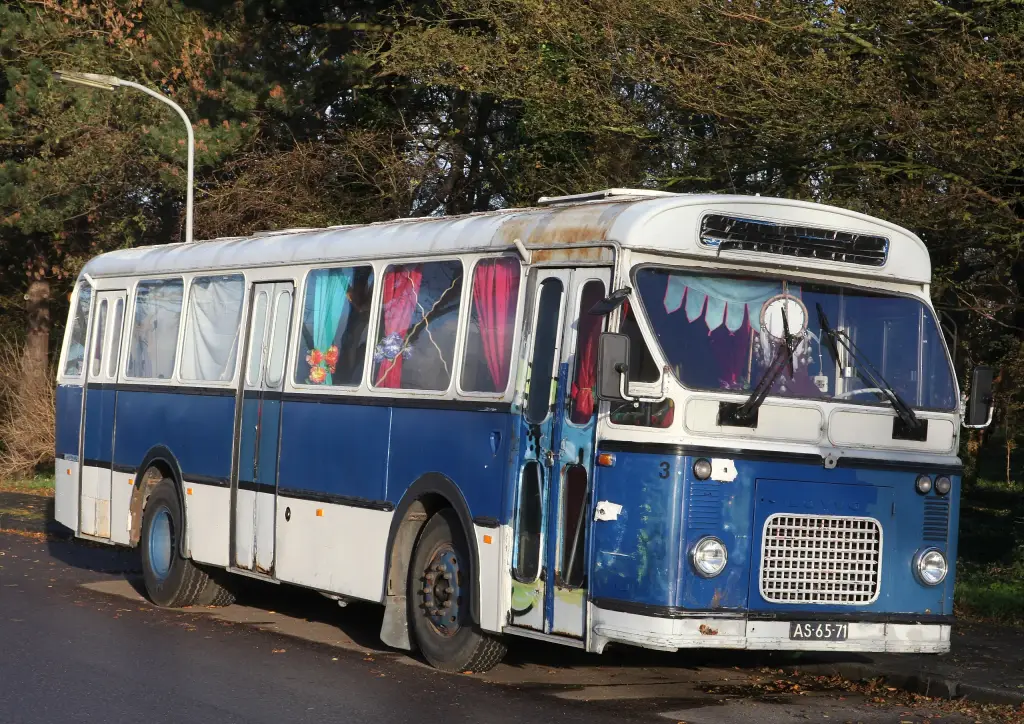
The Volvo B57 was a front-engined single-decker bus chassis built from 1966 to 1982. From 1970 it was also sold as the BB57, with the engine mounted on top of the front axle, which gave the buses a very short front overhang.
Volvo B57 at a glance
| Production | 1966–1982 |
|---|---|
| Type | front-engined single-decker bus chassis |
| Wheelbases | 5 m (B57-50), 5.5 m (B57-55), 6 m (B57-60) |
| BB57 | from 1970, engine over the front axle |
| Predecessor of the layout | B615, out of production in 1965 |
| Major fleet | 350 buses for Singapore, 1980–1983 |
| Pakistan | 300 in service in Lahore |
| Australia | five buses, 1970s |
| Market | common in rural parts of the Nordic countries |
History of the Volvo B57
The B57 was Volvo’s front-engined single-deck chassis of the late 1960s and 1970s, made from 1966 to 1982. From 1970 it was joined by the BB57, in which the engine sat on top of the front axle, giving very little front overhang. The BB57 effectively replaced the smaller B54, although it was a larger vehicle, and demand for the layout was high enough that Volvo brought it back almost half a decade after the B615 had gone out of production in 1965.
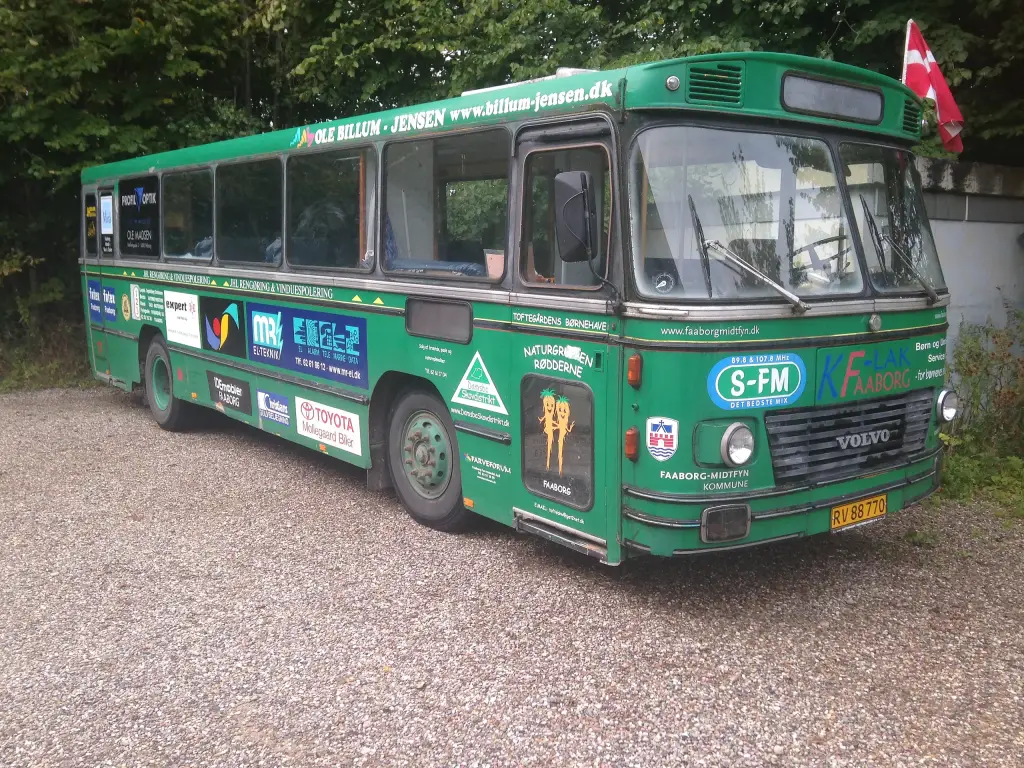
Both the B57 and BB57 could be built in three wheelbase lengths: 5 metres as the B57-50, 5.5 metres as the B57-55 and 6 metres as the B57-60. The type was rare in Britain but popular in rural parts of the Nordic countries, where front-engined buses suited rough roads and simple maintenance.
Export success
Singapore Bus Service introduced a fleet of 350 B57s with New Zealand Motor Bodies bodywork between 1980 and 1983, after trialling a Metal Sections-bodied demonstrator in 1979. The first 200 wore Version 1 bodywork with a raised angular roof over the front destination sign, and the remaining 150 had Version 2 with a curved roof. All were retired and sold to Bus Éireann in Ireland between 1994 and 1998 for school services in rural areas. In Pakistan the Punjab Urban Transport Corporation put 300 into service in Lahore, and Australia took a handful, four with Neville’s Bus Service and one with Cairnstrans.
Design and features
- Front engine: simple layout for rural routes and easy servicing.
- BB57: engine over the front axle and almost no front overhang.
- Three wheelbases: 5, 5.5 and 6 metres.
- Big export fleets: Singapore, Pakistan and Ireland.
- Long life: sixteen years in production.
Volvo B57 versions
- B57-50, B57-55, B57-60: the three wheelbase lengths.
- BB57 (1970): engine mounted over the front axle.
- Singapore buses: New Zealand Motor Bodies, two body versions.
- Irish second life: ex-Singapore buses with Bus Éireann.
The B57 was the budget front-engined member of Volvo’s bus range, below the mid-engined Volvo B58 and B10M. More buses are in the Volvo collection.
Sources
- Volvo B57, English Wikipedia: production, BB57, wheelbases, export fleets