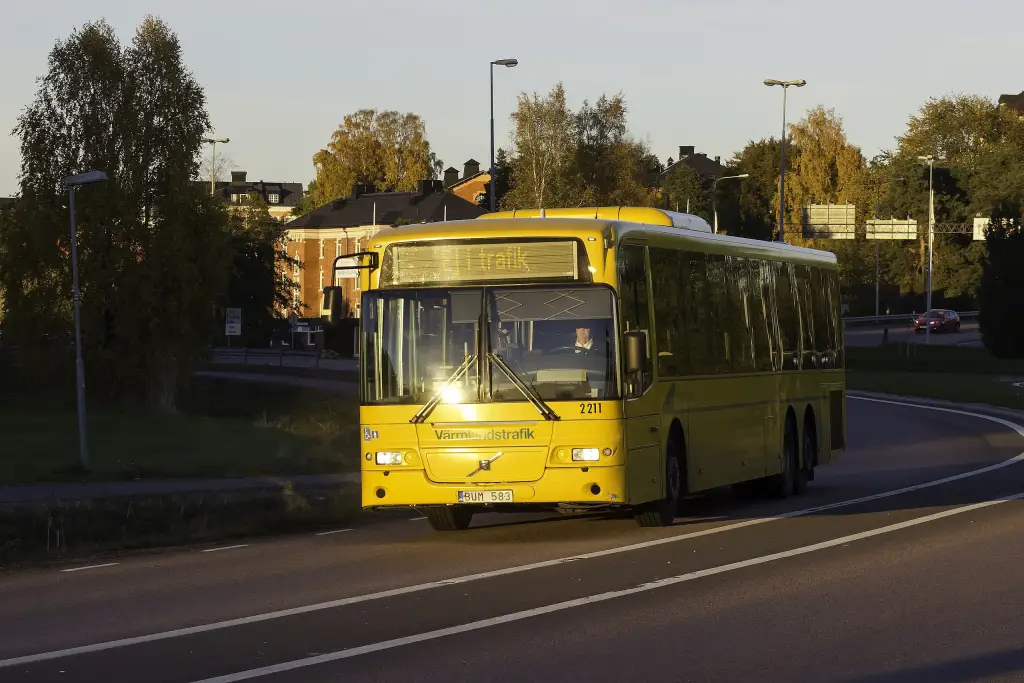
The Volvo 8500 was a single-deck city and intercity bus with an aluminium body, built by Volvo from 2001 to 2011. It came in two-axle, tri-axle and articulated forms, and from 2005 the fully low-floor 7500 joined the range.
Volvo 8500 at a glance
| Production | 2001–2011 |
|---|---|
| Body | aluminium, single deck |
| Chassis | B7R and B12M two-axle, B12M tri-axle, B12MA articulated |
| Low-entry version | 8700LE on B7RLE and B12BLE |
| Full low floor | 7500 from 2005 on B9LA and B9SALF |
| Bi-articulated | 7500 bi-articulated version |
| CNG | 8500LE on B10BLE in the early years |
| Built in | Säffle, Sweden |
| Facelift | May 2010, with the front of the 8900 |
| Main markets | Denmark and Sweden |
Based on one source, the English Wikipedia article on the 8500.
History of the Volvo 8500
The 8500 was Volvo’s aluminium-bodied city and intercity bus, made at the Säffle works between 2001 and 2011. It was offered with a medium-height floor as a two-axle bus on the B7R and B12M chassis, as a tri-axle on the B12M, and as the articulated 8500A on the B12MA. The low-entry 8700LE used the B7RLE and B12BLE chassis in two- and tri-axle form and the articulated 8500LEA on the B9SALE.
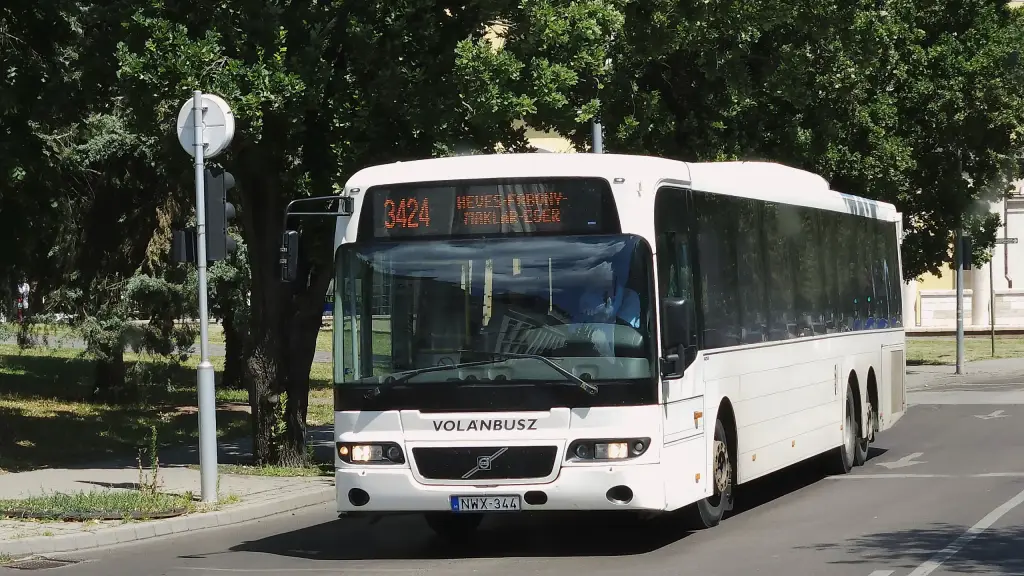
From 2005 the range gained a fully low-floor model, the 7500, on the B9LA and B9SALF chassis, which was even built as a bi-articulated bus. In the early years the 8500LE could be ordered with compressed natural gas on the B10BLE chassis; later CNG was available only on the 7500.
Facelift and end of the line
In May 2010 the models received a facelift that previewed the front of the 8900, their 2011 successor. The 7500 was replaced by the 7900, but the bi-articulated version was dropped. The main markets were Denmark and Sweden, with some sales in Estonia and other northern European countries; several Swedish buses were later exported for a second life in countries such as Albania. The 7500 never found buyers outside Sweden, even though the bi-articulated buses were demonstrated in several cities elsewhere.
Design and features
- Aluminium body: lighter than a steel structure, which helped fuel consumption.
- Many lengths: two-axle, tri-axle and articulated versions from one range.
- 8700LE: a low-entry variant for routes that did not need a full low floor.
- 7500: fully low-floor and bi-articulated option for the biggest cities.
- Säffle build: Swedish production for the Nordic market.
Volvo 8500 versions
- 8500 (2001): medium-floor two-axle and tri-axle bus.
- 8500A: articulated version on the B12MA chassis.
- 8700LE: low-entry two- and tri-axle bus.
- 8500LEA: articulated low-entry bus.
- 7500 (2005): fully low-floor, including bi-articulated buses.
The 8500 was replaced by the Volvo 8900, while the 7500 gave way to the Volvo 7900. More buses are in the Volvo collection.
Sources
- Volvo 8500, English Wikipedia: models, chassis, 7500, markets, facelift